
Last updated November 23, 2026
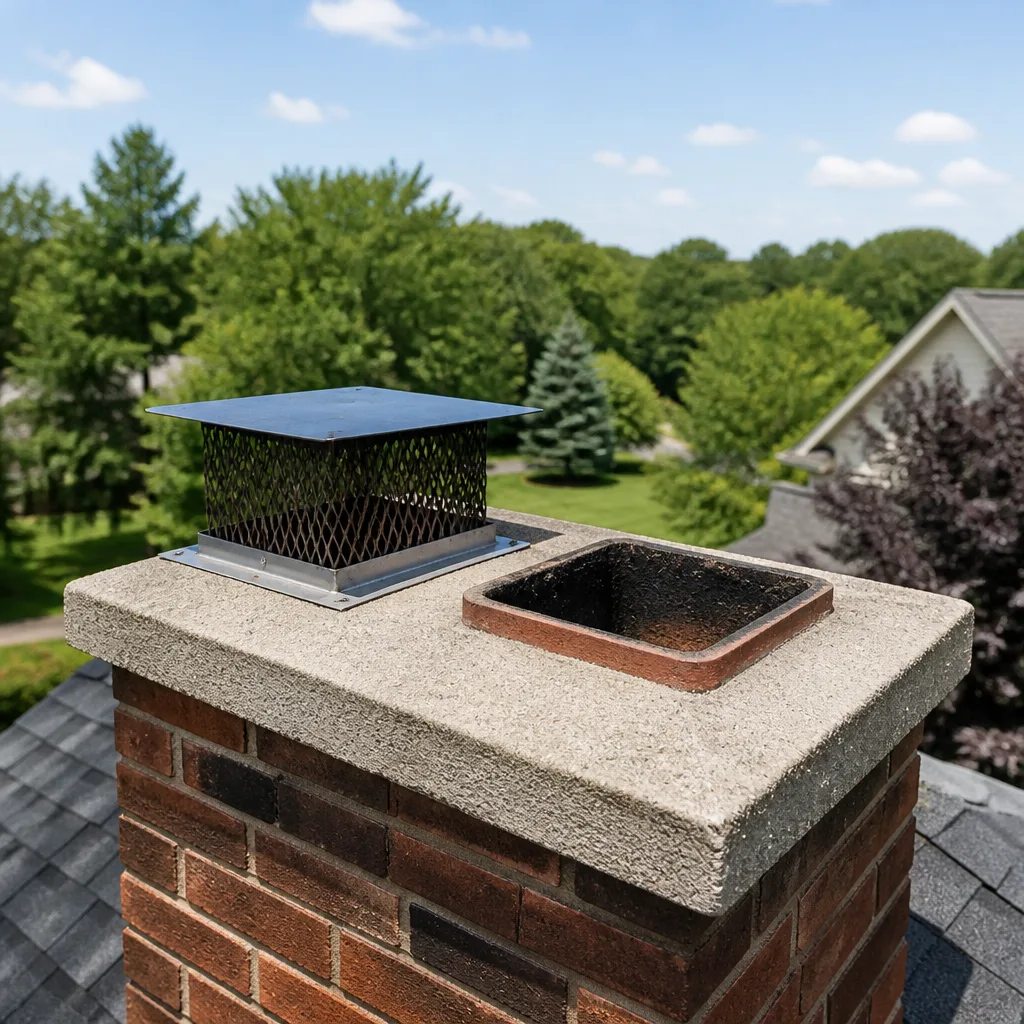 Sweep & inspection
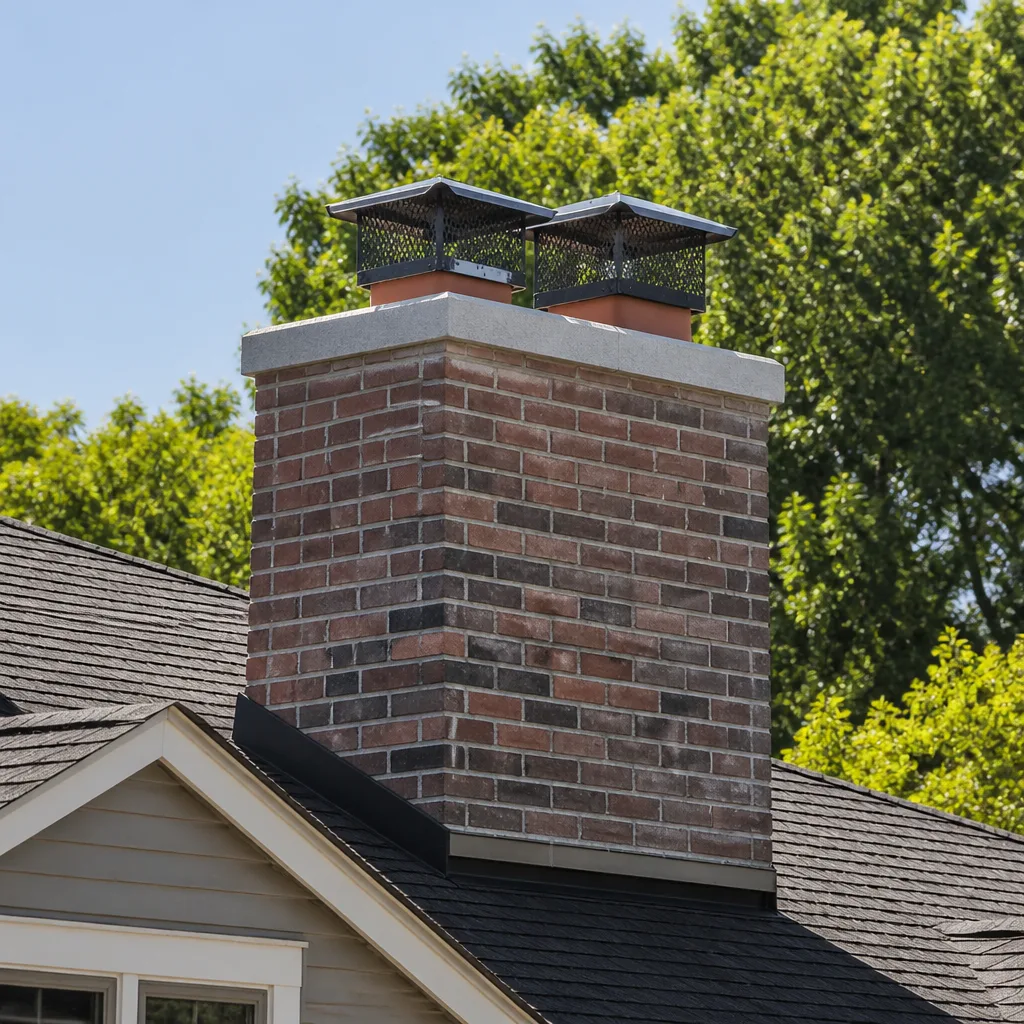 Caps & crowns
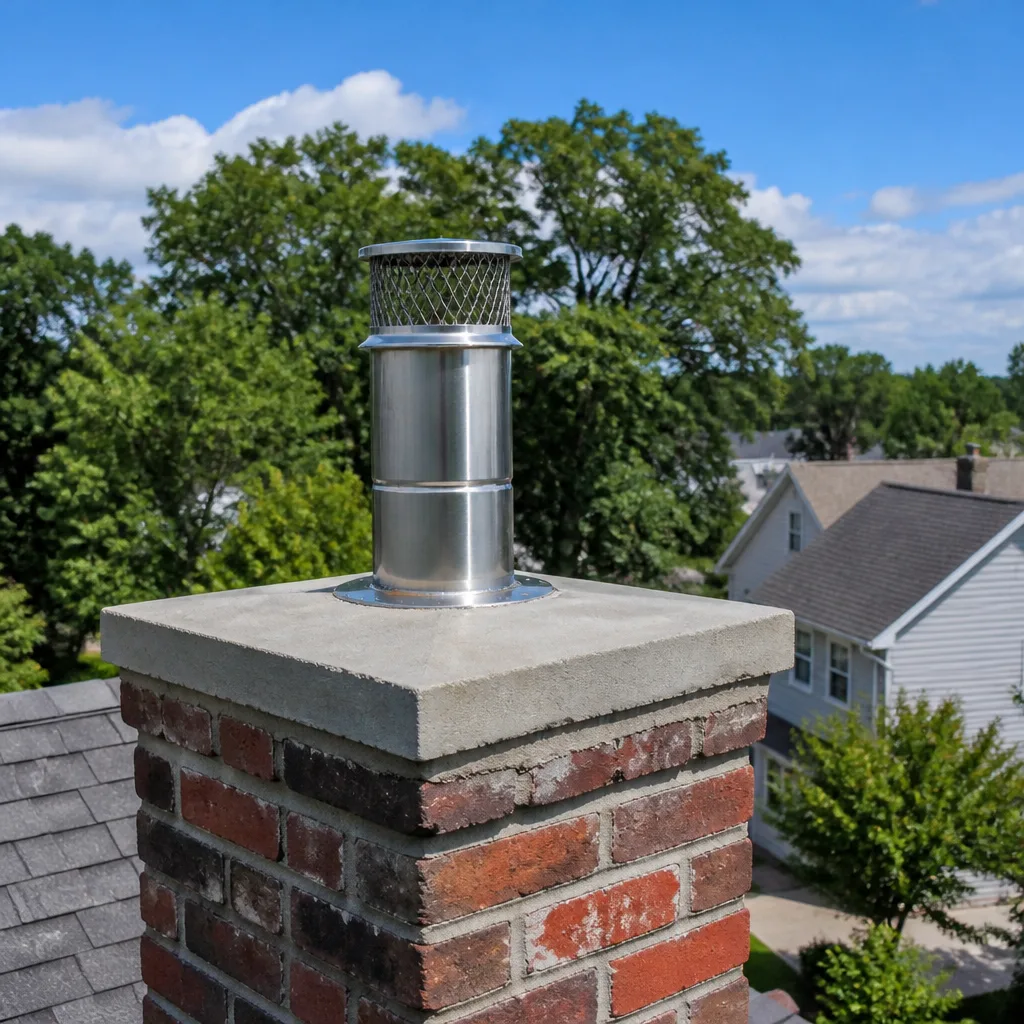 Flue relining
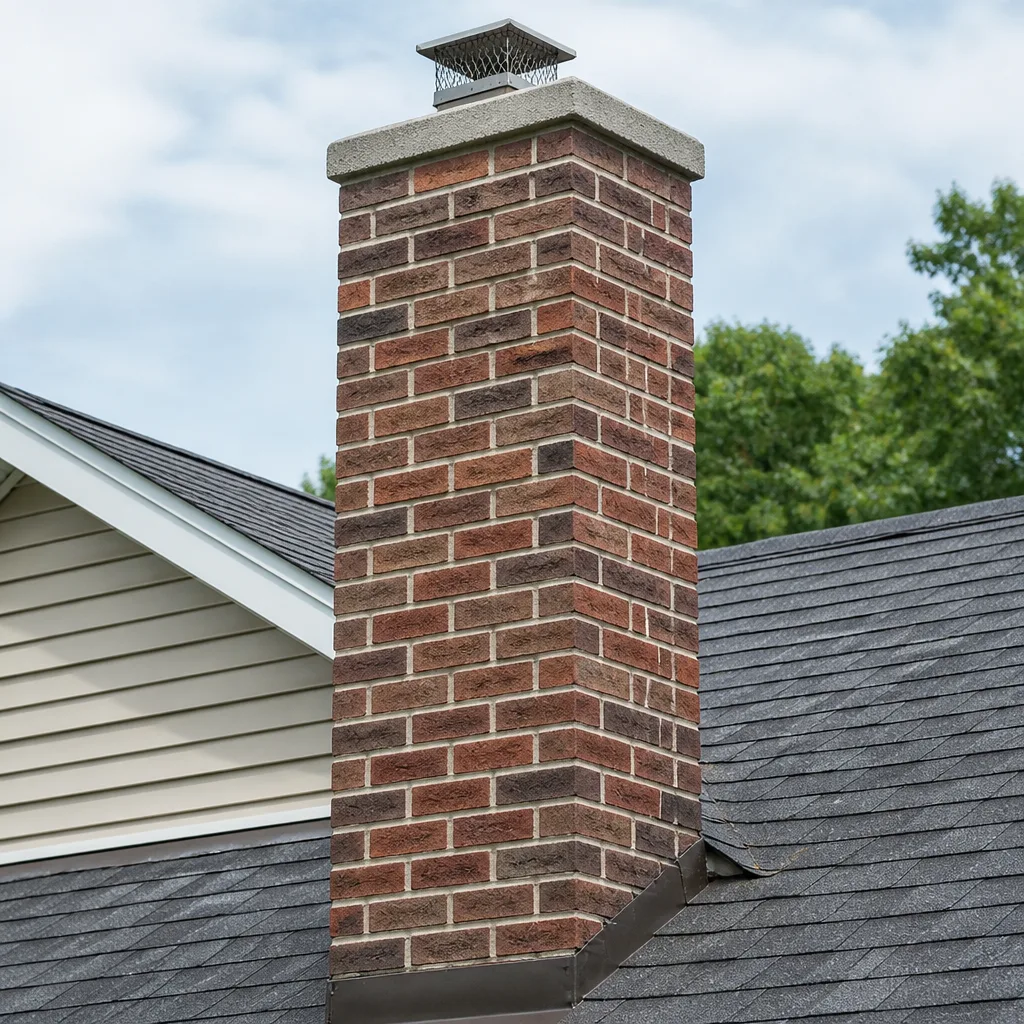 Masonry repair
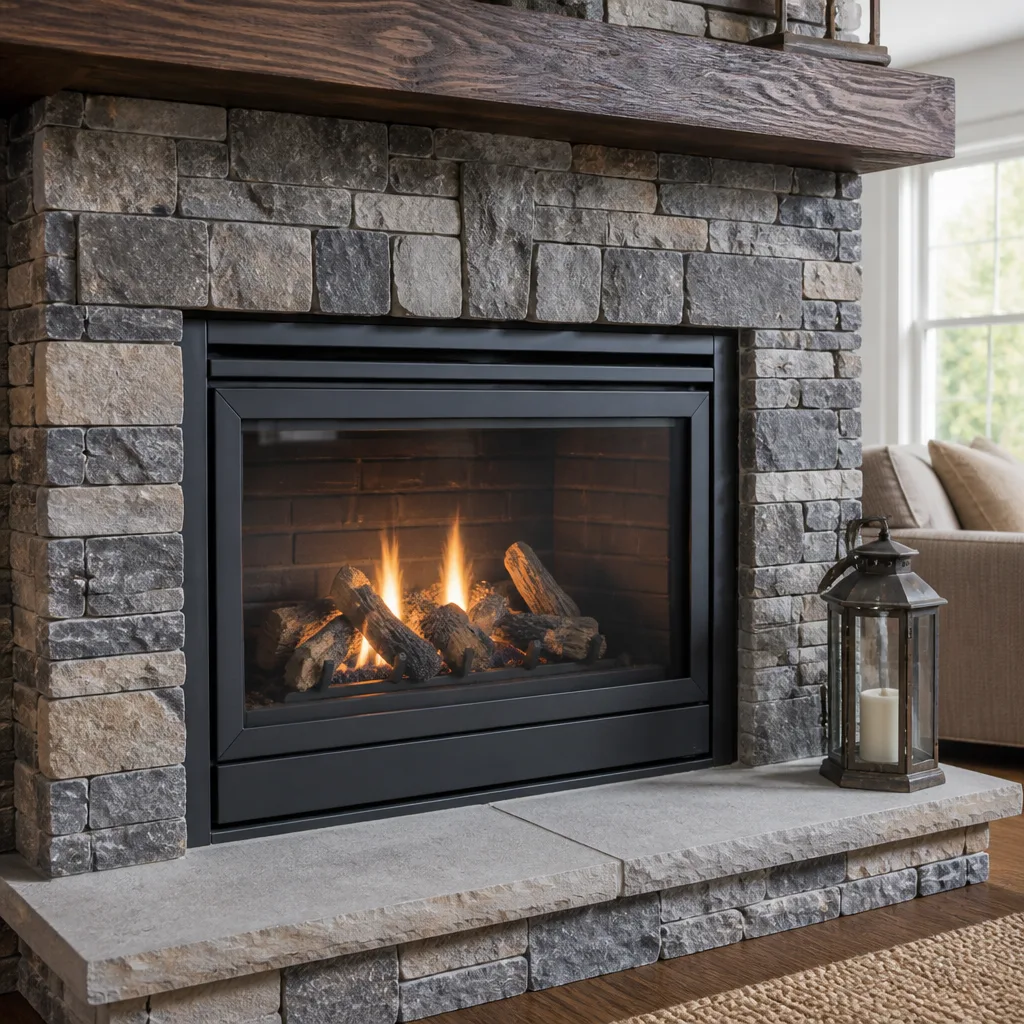 Gas fireplace service
Level 1 sweep and inspection to the NFPA 211 annual standard - flue, crown, cap, and flashing checked and photographed
Chimney sweep logs do not sweep chimneys. They loosen some creosote - which then falls where a brush and vacuum still have to collect it.
Chimney Sweep Maintenance Checklist for Parker Homeowners
The mortar joint that looks fine in October can have a hairline fracture that admits enough snowmelt by February to spall the firebox brick. Most chimney checklists floating around the internet were written for a generic suburban climate and miss the specific maintenance triggers that Parker’s freeze-thaw cycles, dry summers, and heavy snow winters create. This guide is built around what actually happens to a chimney here, month by month, from the firebox to the crown. You’ll learn the five visual checks you can safely do from inside the house, the documented baseline that makes a real diagnosis possible, and which items genuinely require a professional.
Quick Answer
A chimney sweep maintenance checklist for Parker homeowners should follow the local weather calendar, not generic seasonal quarters: a spring inspection after the burning season, a summer cap-and-crown check before the monsoon moisture, a fall sweep before you light the first fire, and a midwinter visual check after the first hard freeze. The homeowner-safe checks cover the firebox, damper, smoke chamber, flue throat, and the exterior cap from the ground. Everything above the roofline, and anything involving a camera or structural repair, needs a sweep. Call Parker Chimney Sweep at (844) 443-4897 for a free estimate.
Styles & brands we work with
- Sweep & inspection
- Caps & crowns
- Flue relining
- Masonry repair
- Gas fireplace service
Table of Contents
- Why a Parker-Specific Checklist Beats a Generic One
- The Month-by-Month Checklist for Parker’s Weather Calendar
- The Five Visual Checks Every Homeowner Can Do Safely
- Mortar and Crown Inspection Triggers for Freeze-Thaw Cycles
- What to Photograph and Document Each Season
- DIY-Safe vs. Professional-Only Checklist Items
- Preparing for Burning Season: A Step-by-Step
- When to Call a Professional
Why a Parker-Specific Checklist Beats a Generic One
Parker sits on the high plains at the edge of the Front Range, and that combination creates a maintenance cycle no national fire-safety pamphlet addresses. Nights drop below freezing and days climb back above it repeatedly through the winter. Water gets into small openings, freezes, expands, and widens the very crack it came through. At this elevation, that warming-and-refreezing pattern repeats well over a hundred times in a typical winter. A mortar joint or crown edge that survives one cycle gets tested again the next week.
Dry summers work the other way. The masonry dries out and shrinks slightly. Hairline cracks open in the crown and in the mortar wash at the flue top. When the first wet snow lands, that water has a place to go. Snowmelt seeping into a crown crack is one of the most common causes of chimney water damage we see on homes across Parker, and it rarely announces itself. You find out when interior masonry starts spalling or a ceiling stain appears.
The neighborhoods matter too. Older pockets of downtown Parker and the streets around Mainstreet carry masonry chimneys with original mortar that has taken decades of this cycle. Newer builds out toward the Pinery and Canterberry tend to have factory-built systems with metal liners where the cap and the flashing take the brunt of the wear. Same town, different checklist emphasis.
A Parker-specific checklist works because it sequences your inspections to the actual weather. You check the things that fail in spring before summer heat dries them out. You check the things that fail in freeze-thaw before the deep freeze locks them in place. You don’t waste an October inspection looking for problems that only show up after a January thaw.
The Month-by-Month Checklist for Parker’s Weather Calendar
Treat the year in Parker as four maintenance windows, each tied to what the weather is doing to your chimney at that moment. This is the core of any Parker Chimney Sweep maintenance rhythm, and it’s what separates a seasonal plan from a once-a-decade scramble.
- March through April, the post-burning-season inspection. Once you stop lighting fires for the year, book a professional inspection. The creosote load of a full winter is present, the firebox has been through freeze-thaw, and any issue is fresh. This is the right time for a chimney sweep so the flue sits clean through the off-season.
- May through June, the cap and crown check. Before summer storms, verify the chimney cap is seated and the crown has no new cracks. A crown that’s failing gets worse in dry heat, not better. This is also when a chimney repair assessment catches small masonry problems before they grow.
- July through August, the moisture and flashing review. Summer storms test your flashing and crown. Walk the exterior with binoculars from the ground and look for cracked mortar joints, loose caps, and staining on the chimney face.
- September through October, the pre-season sweep and inspection. Clean the flue, confirm the damper operates, and check that the smoke chamber is clear. Do this before the first cold snap, not after.
- November through February, the midwinter visual check. After the first hard freeze, do a quick interior look at the firebox, damper, and any visible flue throat. Watch for new spalling or efflorescence on the firebox brick.
Print that list and put it inside a kitchen cabinet. The point is timing, not complexity. A homeowner who does the visual checks and books the professional inspection in the right windows catches nearly everything before it becomes a structural repair.
The Five Visual Checks Every Homeowner Can Do Safely
You can evaluate the most important parts of your chimney’s health without tools, a ladder, or roof access, just by looking from inside the house. These five checks take about ten minutes and give you a working picture of what your sweep should look at closely.
- The firebox brick and mortar. With the fire out and the firebox cold, look at the brick faces and mortar joints. Crumbling mortar, flaking brick faces, or white powdery staining (efflorescence) mean moisture has been working inside. If you see spalling, stop using the fireplace until a sweep inspects it.
- The damper. Open and close it fully. It should move without grinding and close flat against its seat. A damper that sticks open wastes heat and lets cold air down the flue; one that won’t fully open puts smoke into the room.
- The smoke chamber and flue throat. Shine a flashlight up. You’re looking for smooth surfaces, not jagged mortar, gaps, or heavy black buildup. Bumpy, glazed-looking creosote is a sign the flue needs cleaning and possibly an inspection.
- The chimney cap from the ground or a window. Step outside and look up. The cap should sit flat and cover the flue opening. If it’s tilted, missing, or rusted through, rain and snow go straight down the flue.
- The crown edges from the ground. Look at the top slab of the chimney. Cracks, a crown pulling away from the flue, or missing chunks mean water is getting into the masonry below.
If any of these turn up a concern, write down what you saw and where. That note is the start of your documentation, and your sweep will thank you for it.
Mortar and Crown Inspection Triggers for Freeze-Thaw Cycles
Freeze-thaw damage is the single biggest driver of masonry wear in Parker, and it accelerates every year the mortar joint stays exposed. The trigger points below tell you when a joint or crown needs attention, whether or not the chimney looks fine on a quick glance.
- After the first hard freeze of the season. Re-inspect the crown and the firebox brick from inside. A crack that opened in October can widen with the first freeze.
- After any snowmelt followed by a refreeze. If you can see water stains below the crown or on the flue, that water is entering and then freezing. This is the cycle that spalls brick.
- Any joint with missing or recessed mortar. A joint that has lost its finish coat is a joint that’s holding water. It doesn’t need to look dramatic, just visibly recessed.
- A crown with a crack, a separation from the flue, or a missing overhang. The crown sheds water away from the chimney. Once it cracks, that function fails and the masonry below takes the runoff.
- Efflorescence on the chimney face or firebox. White staining is a moisture signal. It means water is moving through the masonry and leaving minerals behind.
For a masonry chimney, the crown is the first line of defense and the easiest part to neglect. A cracked crown on a Parker home will show mortar damage on the firebox within a season or two. That’s why we treat cap-and-crown work as preventive maintenance, not a repair you get to later. A Gelco or Famco cap fitted properly, plus a sound crown, does more to protect a chimney than almost any other single item on this list.
What to Photograph and Document Each Season
Most homeowners sweep the chimney and forget it by spring. Then when a crack appears the following year, nobody can say whether it’s new or whether it was already there. A documented baseline fixes that, and it’s the cheapest maintenance habit you’ll ever build.
Photograph the same five things every season from the same angles:
- The full firebox, straight on, after the fire is out and the box is cold.
- The damper in both the open and the closed position.
- A straight-up shot of the smoke chamber and flue throat with a flashlight for contrast.
- The chimney cap and crown from the ground, ideally from the same spot each time.
- Any concern spot you’ve identified, from the same distance each visit.
Keep the photos in a dated folder on your phone, and note the month and what you saw. When you book a professional chimney repair or inspection, hand over that folder. Your sweep now has a baseline to compare against their own camera inspection. If last year’s firebox looked solid and this year’s shows spalling on the same brick, you both know when it started. That’s how you avoid being told you need thousands in masonry work you can’t verify, because the photos show the change and you can see it yourself.
Our technicians document their inspections the same way: camera shots, photos, and a written report. When the two sets of records line up, the diagnosis is clear instead of an opinion.
DIY-Safe vs. Professional-Only Checklist Items
The helpful rule here is simple: you can safely inspect, but you can’t safely repair anything above the firebox or above the roofline. Some items genuinely belong to the homeowner. Others are dangerous even for a skilled tradesperson without the right equipment.
Safe for homeowners
- Visual checks of the firebox, damper, and smoke chamber, per the five-check list above.
- Photographing the chimney cap and crown from the ground.
- Confirming the cap is present and seated.
- Noting efflorescence, spalling, or staining and writing down where it is.
- Scheduling the seasonal inspection and sweep.
Professional-only
- Anything on the roof, including the crown and flashing. Steep roofs and heights are a genuine fall hazard.
- Camera inspection of the flue. The camera and the judgment to interpret what it shows are what make a diagnosis meaningful.
- Creosote removal beyond light surface buildup. Heavy glazed creosote needs professional scraping and the right containment.
- Liner work, including DuraFlex or Olympia Chimney relining, and HeatShield flue resurfacing.
- Masonry repair, crown replacement, and cap installation.
- Any repair involving the firebox brick that’s showing spalling or cracked joints.
If you’re ever unsure whether an item is on the safe list, treat it as professional-only. The cost of an inspection is a fraction of the cost of a repair from a fall or a fire, and the inspection is where the diagnosis starts.
Preparing for Burning Season: A Step-by-Step
Do these in order, starting in late September, and your fireplace will be ready before the first real cold night in Parker. This is the sequence we walk homeowners through, and it’s the same order a professional inspection follows.
- Book the sweep before you burn. A pre-season sweep clears the flue of last year’s creosote and gives the inspection a clean surface to evaluate. Book early, because October fills fast.
- Inspect before you repair. If the sweep finds a problem, the inspection comes first and the repair follows. No work should be recommended without camera evidence you can see.
- Check the cap and crown. Confirm the cap is seated and the crown is sound. If either needs replacement, do it before the freeze.
- Test the damper and the smoke draw. Open the damper, light a small test fire, and watch the smoke. If it rolls into the room, your flue needs a look before you burn again.
- Confirm your wood. Seasoned, dry wood burns cleaner and produces less creosote. Keep wood covered and off the ground.
- Review your documentation folder. Compare this year’s photos against last year’s, and note any change for the sweep.
When you’re ready for the sweep and the inspection, call us and we’ll schedule it. We answer 24/7. Fast dispatch from 7am to 7pm, Sunday through Friday, and we’re closed Saturday. The estimate is free, and the price is set per job by the written estimate before we start.
See the difference
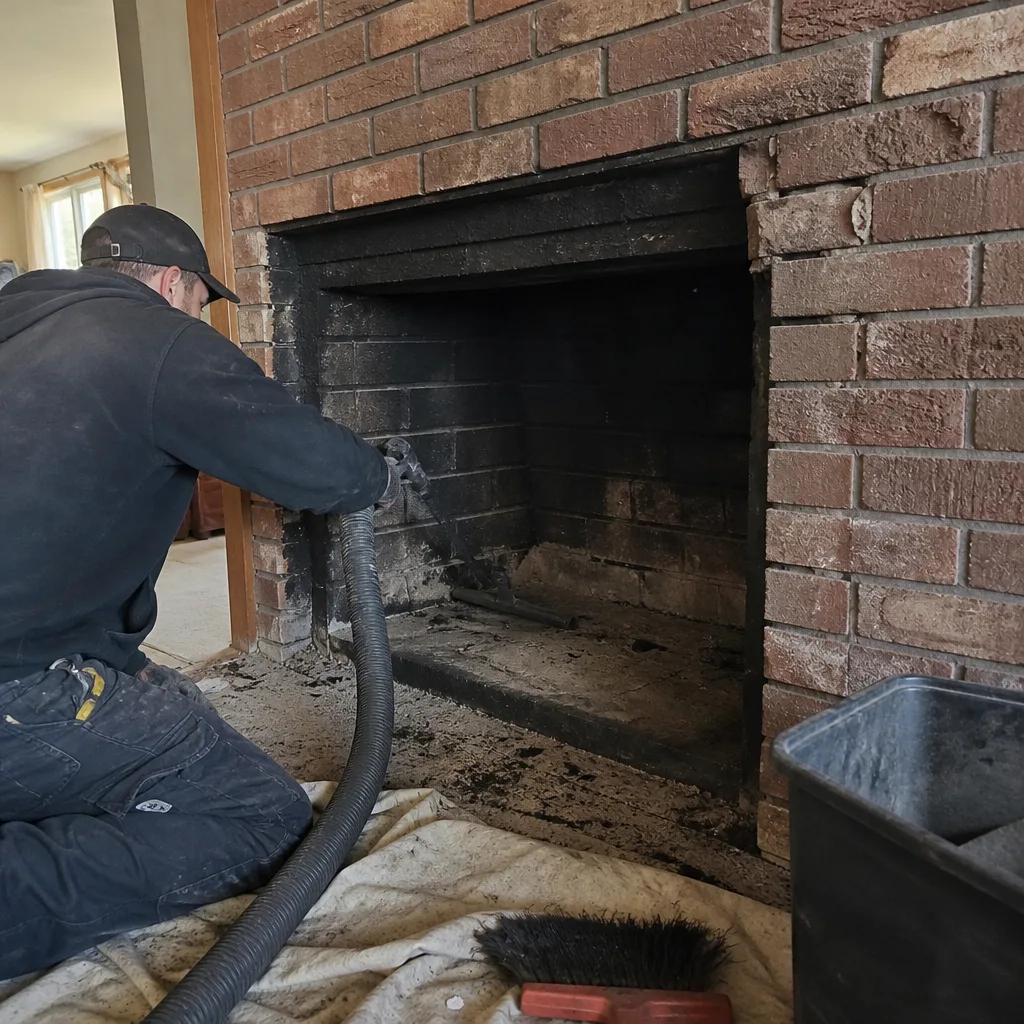 Before
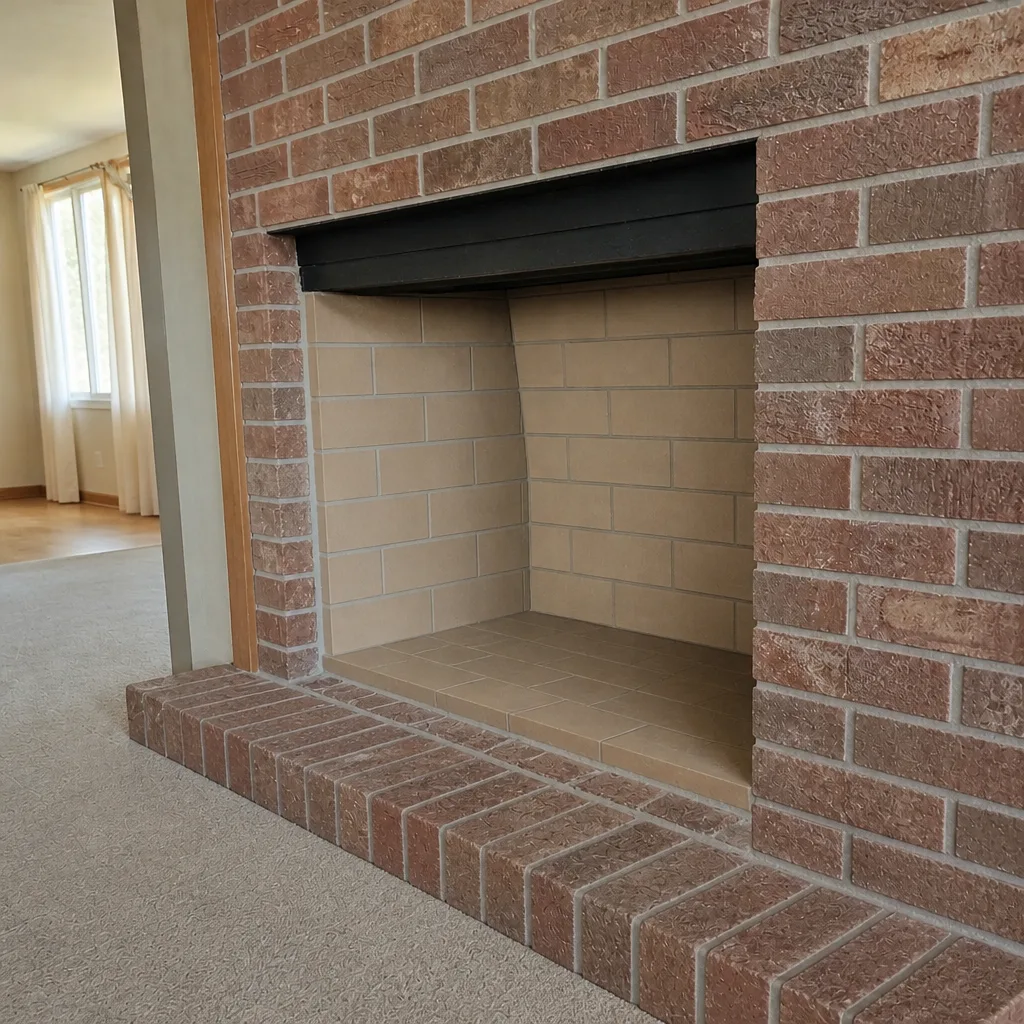 After
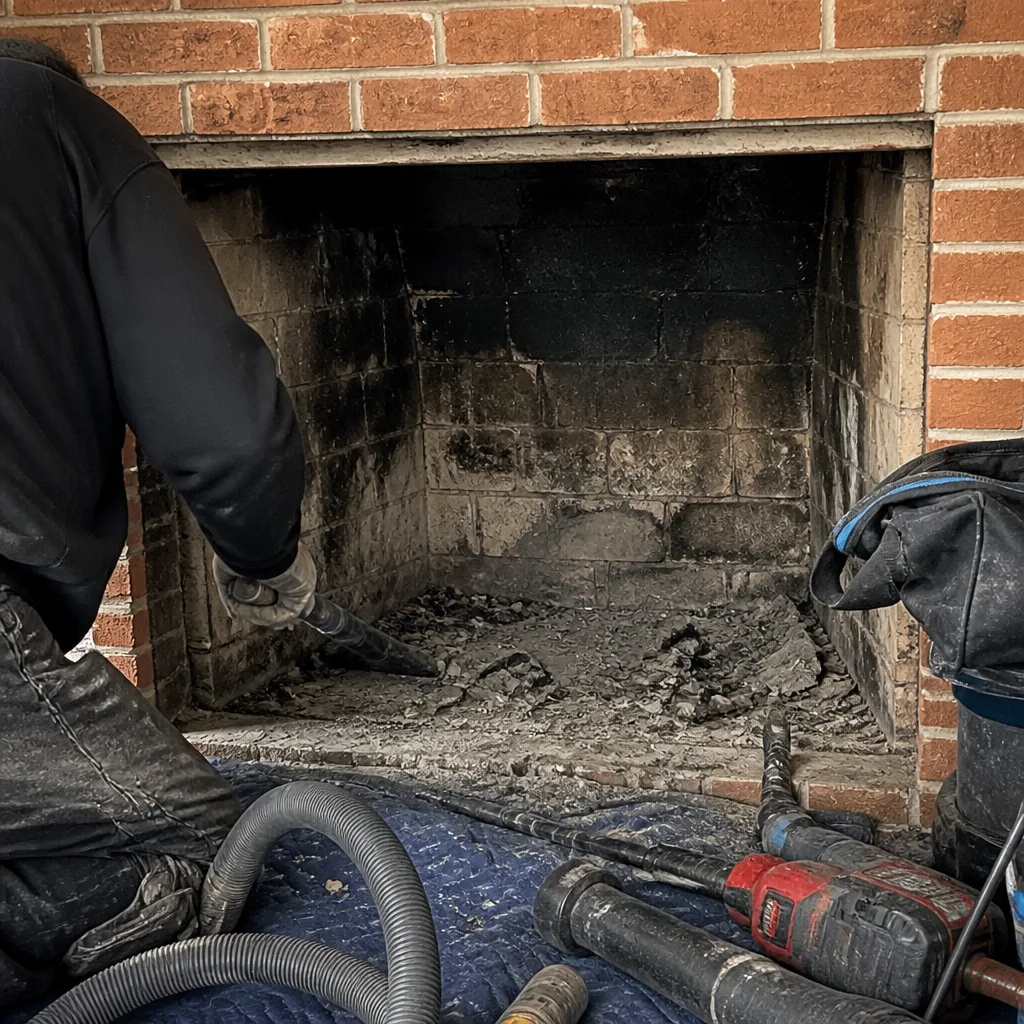 Before
 After
 Before
 After
Common Mistakes to Avoid
- Treating a spring inspection as optional. Skipping the post-burning-season look leaves freeze-thaw damage to worsen all summer. By fall it’s a bigger and more expensive repair.
- Assuming a clean-looking firebox is a clean flue. The creosote that matters is in the flue, not the firebox. A tidy firebox tells you nothing about the glazed buildup above it.
- Letting a cracked crown wait until spring. Water gets into that crack every snowmelt and refreeze. A crown repair in fall prevents masonry repair in spring.
- Ignoring the chimney cap. Missing or damaged caps are among the most common causes of chimney water damage we see on Parker homes. A cap is cheaper than the masonry it protects.
- Photographing nothing and remembering the rest. Without a documented baseline, no one can tell a new crack from an old one. The folder is the whole point.
- Using a universal hardware-store cover instead of a purpose-built cap. A cap has to fit the flue and vent correctly. A Gelco or Famco cap is engineered for that job; a store cover often isn’t.
- Assuming a gas fireplace needs no maintenance. Gas units still have a flue and a venting path that need inspection. The maintenance is different, not absent.
- Booking a sweep without booking the inspection. A sweep cleans. An inspection diagnoses. A fireplace repair depends on the second one.
When to Call a Professional
Call a professional sweep when any of the following is true:
- It’s been more than a year since your last inspection, or you’ve burned a full season since the last one.
- You see spalling, cracking, or efflorescence on the firebox brick.
- Your damper sticks or won’t close completely.
- You notice smoke rolling into the room when you light a fire.
- Your cap is missing, tilted, or rusted through.
- You see cracks or separation on the crown, or damaged flashing at the roofline.
- You moved into a Parker home and don’t have a maintenance record for the chimney.
Those are the calls where a camera inspection and a professional judgment matter most. Parker Chimney Sweep offers free estimates in Parker. Call (844) 443-4897. We answer 24/7. Fast dispatch from 7am to 7pm, Sunday through Friday. We close Saturday.
Frequently Asked Questions
Once a year for both the sweep and the inspection is the standard for a wood-burning fireplace, and in Parker the best window is late September or early October, before burning season. A gas fireplace usually needs inspection on the same annual rhythm even though it produces far less creosote. Homes that burn heavily through the winter, or burn unseasoned wood, may need a mid-season check. Call (844) 443-4897 for an exact quote; estimates are free.
A standard sweep and inspection is usually a modest call, and the written estimate sets the final price once we’ve seen the chimney. The variables are the flue access, how much creosote is present, and whether a camera inspection is needed beyond the visual check. Repair work, such as crown, cap, or liner, is quoted separately after the inspection, and nothing gets recommended without camera evidence you can review. Call (844) 443-4897 for an exact quote; estimates are free.
Only if the inspection shows a liner that’s cracked, degraded, or failing to contain combustion products. Many flues that look like relining candidates can be restored with HeatShield flue resurfacing instead, which extends the life of the existing liner. The decision should come from a camera inspection, not from a guess. If the liner is sound, no work is recommended. Call (844) 443-4897 for an exact quote; estimates are free.
Skipping a season lets creosote accumulate and lets freeze-thaw damage widen cracks in the crown and masonry that wouldn’t have worsened a clean inspection. The risk of a chimney fire rises with the creosote load, and carbon monoxide from a blocked or damaged flue is a real hazard, though the severity depends on what’s actually failing. None of those things fixes themselves. The honest answer is that some problems can safely wait a season and some can’t, and only an inspection can tell you which. Call (844) 443-4897 for an exact quote; estimates are free.
Yes, you can safely do the five visual checks in this guide, and they catch a lot. They aren’t enough on their own because the flue, the crown, the flashing, and the liner all sit where you can’t safely see without a camera and roof access. The DIY checks and the professional inspection work best together: your observations plus the sweep’s camera and experience. Call (844) 443-4897 for an exact quote; estimates are free.
Routine maintenance like sweeping and inspection is almost never covered, since it’s considered homeowner upkeep. Repair coverage, if any, depends on your policy and the cause of the damage. We can work with your insurer and provide the inspection report and photos they may ask for, but we can’t tell you what your policy covers. Call (844) 443-4897 for an exact quote; estimates are free.
The Bottom Line
A chimney maintenance checklist worth following in Parker is built around the local freeze-thaw cycle, not a generic national calendar. Do the five visual checks from inside the home, photograph the same five views each season, and book the professional sweep and inspection in the late-September window before burning season. Keep the cap and crown sound, and treat any crack, spalling, or efflorescence as a reason to call rather than a reason to wait. That combination catches nearly every problem while it’s still small. From the firebox to the crown, one company, start to finish: leave the above-roofline and camera work to a professional who inspects before they repair. Call (844) 443-4897 for a free estimate. We answer 24/7. Fast dispatch from 7am to 7pm, Sunday through Friday. We close Saturday.
Written by the team at Parker Chimney Sweep.