
Last updated November 23, 2026
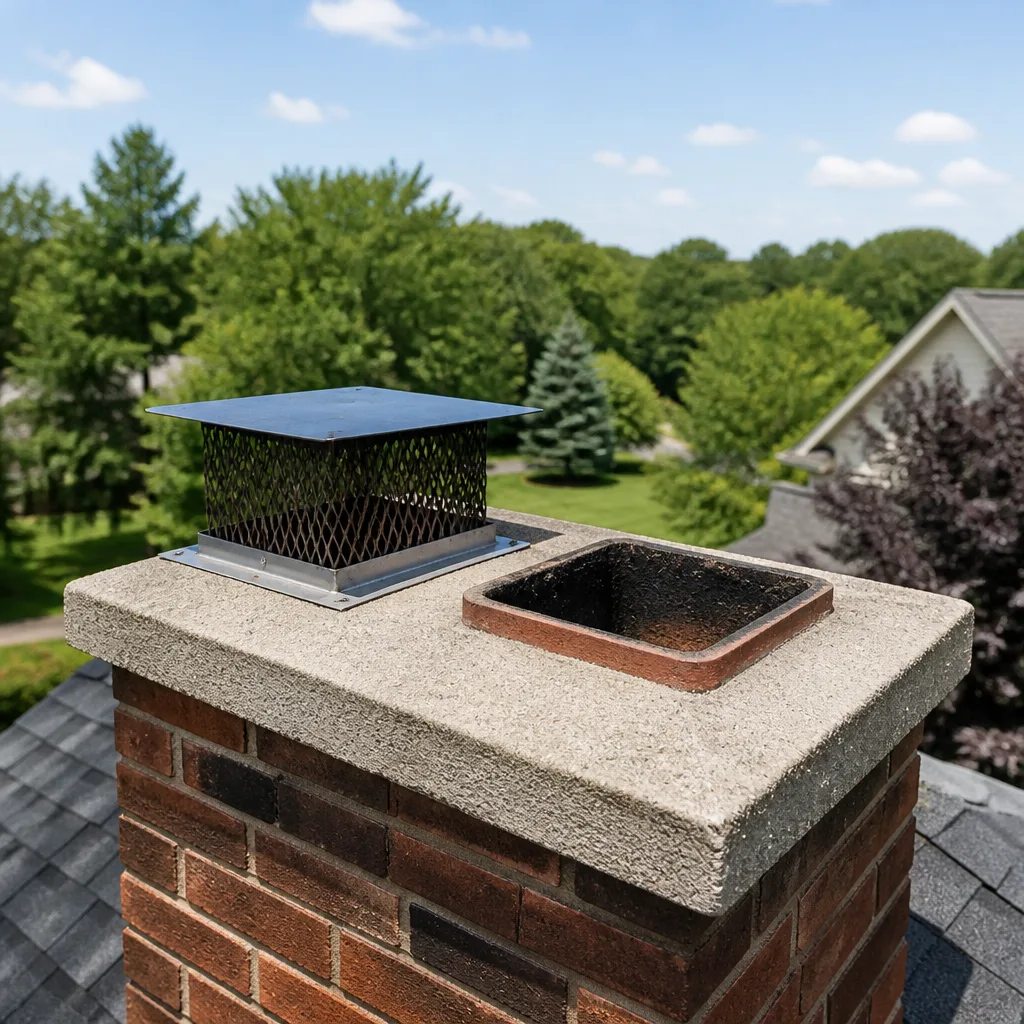 Sweep & inspection
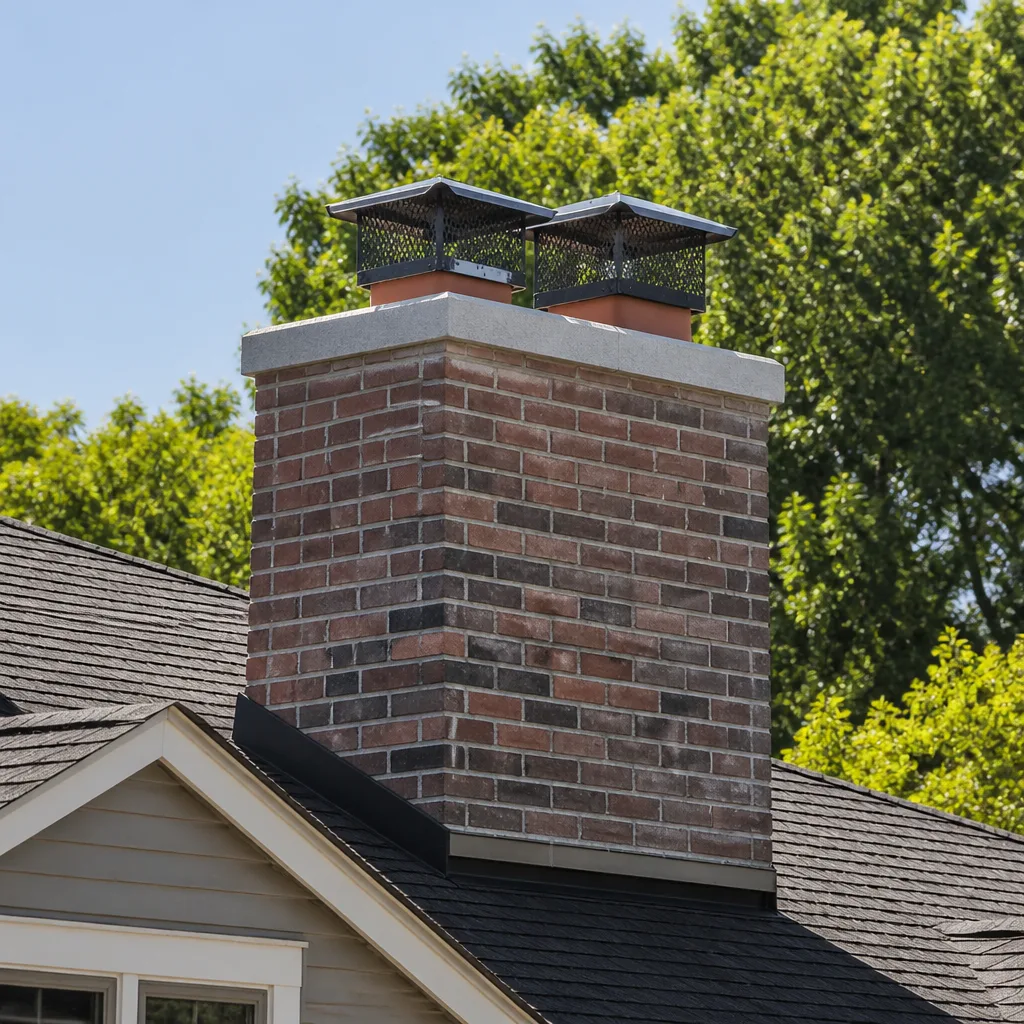 Caps & crowns
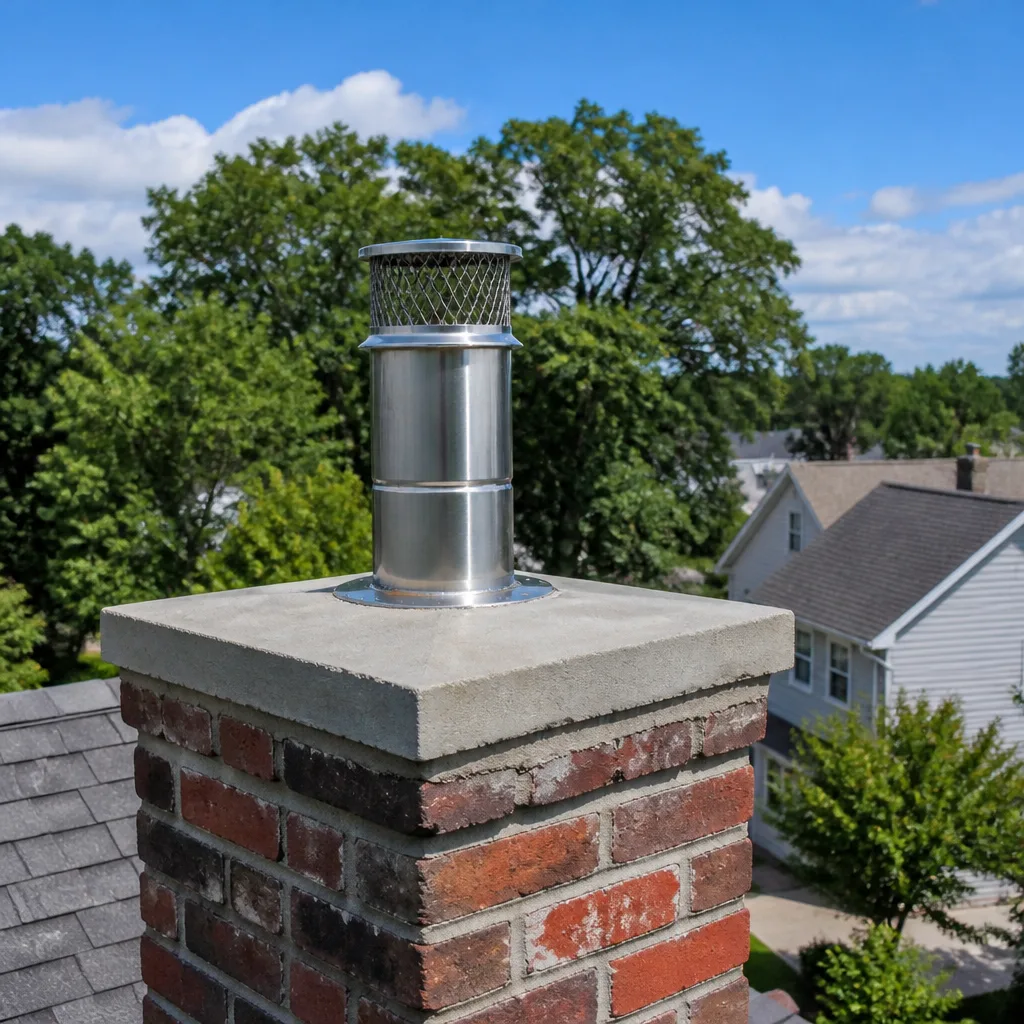 Flue relining
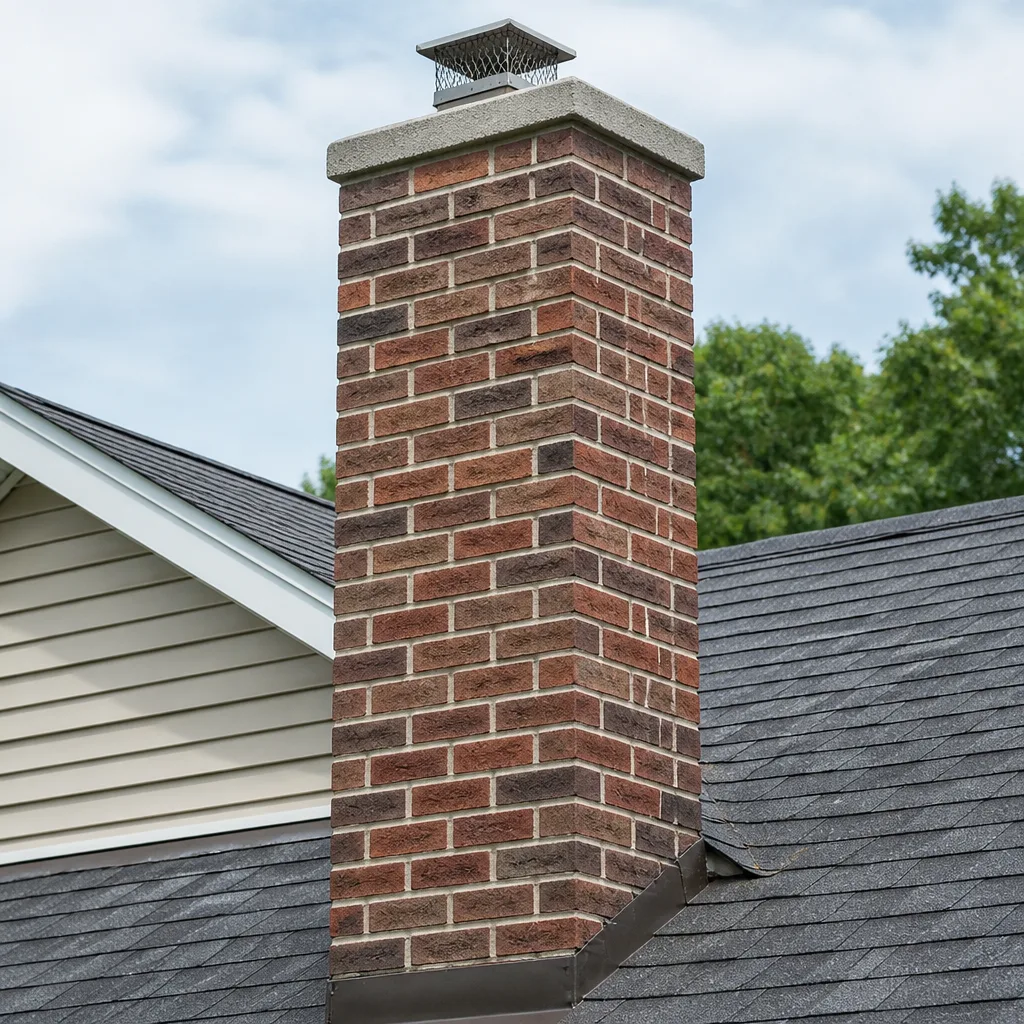 Masonry repair
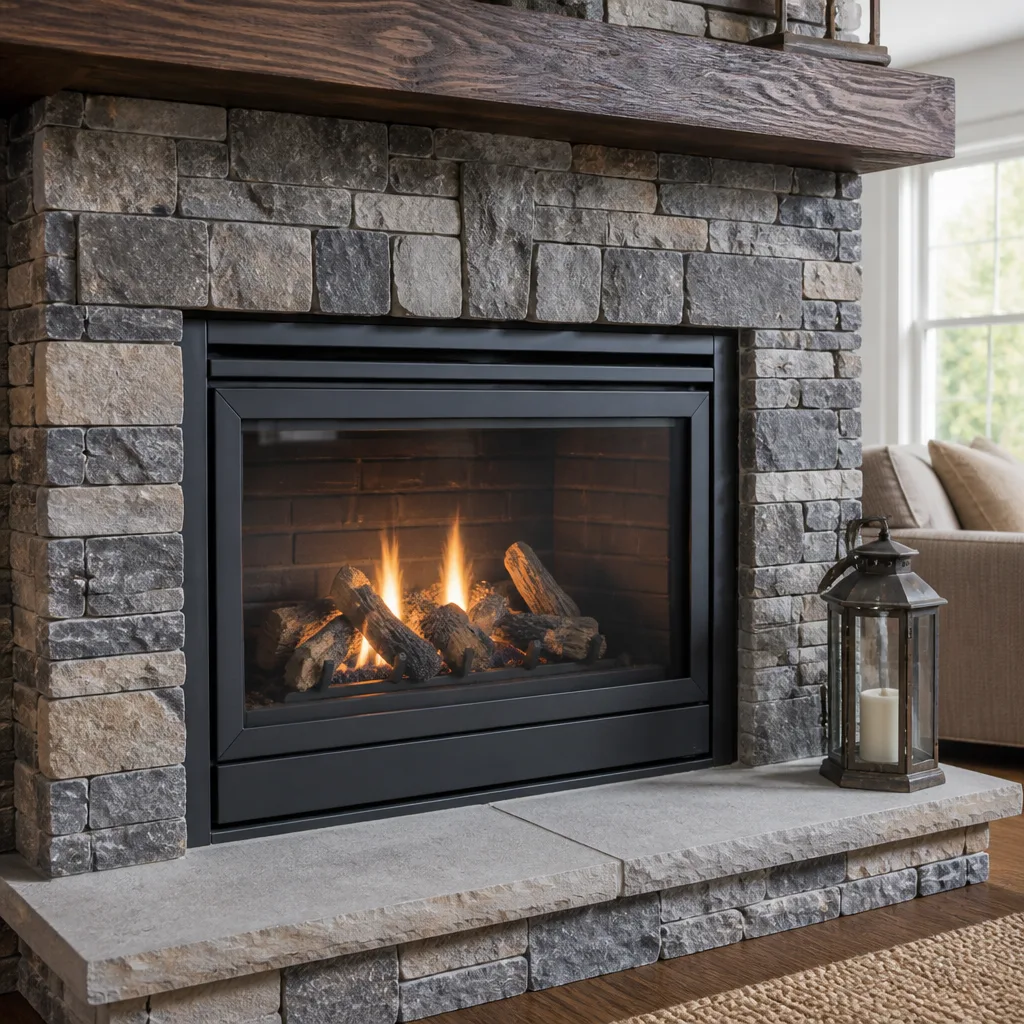 Gas fireplace service
Level 1 sweep and inspection to the NFPA 211 annual standard - flue, crown, cap, and flashing checked and photographed
Chimney sweep logs do not sweep chimneys. They loosen some creosote - which then falls where a brush and vacuum still have to collect it.
Choosing the Right Chimney Cleaning Brand: A Buyer’s Guide for Parker
Two sweeps can both tell you they use “professional brushes.” One means commercial-grade poly brushes sized precisely to your flue tile. The other means the same nylon kit sold at big-box stores, run up a flue it was never matched to. The difference shows up in how much glazed creosote stays bonded to the liner walls when the job is done. That residue is what you’re actually paying to remove, and the tools behind the brush decide whether it comes off.
In Parker, where wood burning runs hard from October through March, that distinction matters more than the logo on the invoice. This guide walks through the product categories that make up a real chimney cleaning job, what “professional-grade” looks like in each one, and the exact questions to ask so you can tell a trade-supply operation from a generalist with a shop vac. You’ll also learn which caps and liners hold up in Colorado’s freeze-thaw cycle, and why a chemical spray is never a stand-in for mechanical cleaning.
Quick Answer
The right chimney cleaning brand in Parker is the one using professional-grade materials across the whole system: correctly sized poly brushes for the flue, purpose-built creosote treatments as a supplement (never a replacement) for mechanical cleaning, and trade-supply caps and liners like Gelco, Copperfield, DuraFlex, and HeatShield. Ask what specific products go into your flue and onto your crown. A sweep who can name them and explain why is a sweep who does the work properly.
Styles & brands we work with
- Sweep & inspection
- Caps & crowns
- Flue relining
- Masonry repair
- Gas fireplace service
Table of Contents
- The Four Product Categories in a Real Chimney Cleaning Job
- How to Ask a Contractor What Products They Use
- Caps and Liners That Survive Colorado’s Freeze-Thaw Cycle
- Why Chemical Treatments Can’t Replace Mechanical Cleaning
- Full-Service Material Selection vs. The Generalist Approach
- Inspect Before You Repair: The Diagnostic Standard
- What Parker Homeowners Specifically Need to Know
- Common Mistakes to Avoid
The Four Product Categories in a Real Chimney Cleaning Job
A chimney cleaning job breaks down into four product categories, and each one has a professional tier and a hardware-store tier. Knowing the difference is how you read a quote.
1. Brushes and rods. Professional brushes are matched to flue tile dimensions and material. Poly brushes handle standard clay tile without scoring it. Flat wire brushes are used where appropriate, but steel on clay requires judgment; a brush that’s too aggressive damages the liner it’s supposed to protect. Rods are flexible but rigid enough to follow a flue’s actual path instead of scraping one side. The hardware-store tier is a one-size nylon kit that leaves glazed creosote behind because it doesn’t contact the walls with enough pressure or coverage.
2. Chemical treatments. These are creosote conditioners and degreasers, formulated to soften glazed or tar-like deposits so a brush can remove them. They’re a supplement. They are never the cleaning itself.
3. Crown sealers. The crown is the concrete cap at the top of the chimney. Sealers are a specialized masonry product, not a tube of caulk. A proper crown product flexes with the freeze-thaw movement instead of cracking away from the masonry.
4. Caps and liners. Caps are purpose-engineered, sized to the flue, and built with real screening. Liners are stainless or resurfacing systems rated for the appliance and fuel type. This is where brand names actually mean something, and we’ll get to those next.
Each category has a professional tier and a cheap substitute. A quote that names the products in all four is a quote you can trust more than one that doesn’t.
How to Ask a Contractor What Products They Use
The fastest way to distinguish a trade-supply operation from a generalist is to ask a specific product question and listen to how they answer. Vague answers (“we use the best stuff”) tell you they either don’t know or don’t want you to know.
Here’s a sequence of questions that will sort it out:
- “What brush type and size will you use on my flue?” A professional asks the flue dimensions or measures them before answering. They should tell you poly vs. wire and why.
- “What’s your creosote treatment, and how is it applied?” They should describe a product and the fact that it precedes mechanical cleaning, not replaces it.
- “Which cap brand do you install?” A real answer names brands like Gelco or Copperfield. A weak answer is “we get them from the supply house.”
- “If my crown is cracked, what do you seal it with?” Look for a dedicated crown sealer, not a tube of silicone from the hardware aisle.
- “If the flue tile is damaged, what are my options?” This is where HeatShield resurfacing or a DuraFlex liner shows up in the answer of a company that actually does the work.
- “Can I see the inspection findings in writing or on camera?” A professional documents what they found before recommending anything.
You’re not trying to catch anyone out. You’re checking whether the person on your roof thinks about products the way a tradesperson does. The answer is either specific or it isn’t. When you book a chimney sweep in Parker, those product questions are fair game and a good technician will welcome them.
Caps and Liners That Survive Colorado’s Freeze-Thaw Cycle
Parker sits at roughly 5,900 feet on the Front Range, and the local climate is unforgiving on chimney hardware. Snowmelt refreezes overnight, moisture expands in a crack, and the crack widens. A cheap cap rusts at the seams in a couple of winters. A cheap crown spalls and starts letting water into the masonry below. Caps and liners aren’t decoration; they’re the parts that take the weather so the structure doesn’t have to.
Brands with the longest track records in Colorado’s climate share a few traits: stainless or thick-gauge construction, welded seams instead of crimped ones, and screening that doesn’t deform under snow load. Gelco and Copperfield caps are purpose-engineered chimney protection; they’re sized to the flue and built to shed water and snow rather than collect it. DuraFlex liners are stainless systems rated for the appliance and can handle the thermal cycling a wood-burning setup throws at them. HeatShield is a resurfacing system, which is a different category entirely but matters for the same reason: it restores a damaged flue instead of forcing a full replacement, which keeps more of the original masonry intact.
Nationally marketed caps that look fine on a spec sheet often underperform at altitude because the coating and seam construction weren’t designed for the swing between a sunny 40-degree afternoon and a 5-degree night. Ask a Parker contractor what they install and why. The answer should reference local conditions, not just a brand name. This is also the reason a dedicated chimney cap and crown service exists: it’s the leading cause of chimney water damage before it becomes structural. You can read more about the repair side of that work on our chimney repair page.
Why Chemical Treatments Can’t Replace Mechanical Cleaning
Chemical creosote treatments soften and condition glazed deposits. They do not remove them. The brush removes them, and a chemical applied without a proper mechanical cleaning that follows is a shortcut dressed up as a service.
Here’s what actually happens in a correct job:
- Assess. The technician inspects the flue and determines the stage of creosote present. Stage 1 is sooty and brushes off readily. Stage 2 is flaky and harder. Stage 3 is glazed, tar-like, and stubborn.
- Condition. On stage 2 and stage 3 deposits, a chemical conditioner is applied to soften the bonding so the brush can do its job.
- Mechanically clean. The properly sized brush and rods are run through the flue to remove the softened creosote and the ordinary soot with it.
- Verify. The technician checks the result, documents it, and tells you what stage of creosote was there and what to do about it going forward.
The tell for a contractor using chemicals as a shortcut is simple: if their “cleaning” involves a spray and a visual check with no brush run, they’re not cleaning the flue. Creosote left on the walls is fuel for a chimney fire. Glazed stage 3 creosote is the dangerous kind, and it’s also the kind a cheap nylon brush leaves behind. If a sweep says they don’t need to brush your flue because they applied a treatment, that’s your answer about how the rest of the job will go.
We’ve seen the difference a correctly matched brush makes in our own work. Creosote removal is physical work. Chemistry supports it; nothing replaces it.
Full-Service Material Selection vs. The Generalist Approach
A generalist uses whatever’s available locally. A full-service chimney specialist selects materials across the whole system so the pieces actually work together. The distinction matters most in the middle of a job, when the sweep finds a problem.
- A generalist sweeps the flue, notices a crack in the crown, and tells you to call someone else. Or they patch it with hardware-store caulk that lasts one winter.
- A full-service specialist moves from sweeping to inspection to cap and crown work to liner repair to masonry repair without handing you off. You’ve still got one company, one diagnosis, one set of material choices.
From the firebox to the crown, the materials should be professional-grade throughout: Gelco or Famco caps, professional liner systems, HeatShield flue resurfacing where it’s appropriate, and crown sealers that are actually formulated for the job. That’s the product selection an insider would specify, and it’s what “one company, start to finish” really means. A homeowner who has to hire a second contractor for the repair is paying for two diagnostics, two mobilizations, and two sets of material decisions that don’t necessarily agree with each other.
If you’re weighing whether to fix a fireplace issue, our fireplace repair service covers the firebox side of the same system.
Inspect Before You Repair: The Diagnostic Standard
No honest chimney company recommends repair work before inspecting the flue. That’s the diagnostic standard, and it’s the core of how a professional-grade operation runs. The reason is simple: you can’t decide between HeatShield resurfacing and a full DuraFlex reline without seeing the inside of the flue first.
An inspection should cover these items, and the technician should be able to explain what each finding means:
- Flue condition: the state of the clay tile, any cracks, spalling, or gaps at the joints.
- Creosote stage: what level of deposit is present and whether it’s removable with a brush after conditioning.
- Crown condition: cracks, spalling, or separation from the flue, which is the entry point for most water damage.
- Cap and screening: whether the cap is fitted, intact, and doing its job.
- Firebox and damper: the state of the firebox masonry and whether the damper operates correctly.
- Connector and appliance: the stovepipe, any connections, and the fuel type.
The findings then drive the recommendation. If the flue tile has minor damage, resurfacing may extend the liner’s life without full replacement. If the tile is beyond that, the options change. Either way, the recommendation comes after the evidence, not before. Ask for the inspection findings and a plain explanation of each one. Our technicians have up to 8 years of experience reading exactly these signs, and a good technician will show you what they see rather than just report it.
What Parker Homeowners Specifically Need to Know
Chimney wear in Parker looks different from the national averages because of how the local climate and housing interact. The town’s housing stock has grown fast over the past couple of decades, and much of it was built with the same wood-burning fireplace construction. That means a lot of flues reaching the age where the crown is starting to weather and the first round of tile repair is coming due.
Snowmelt refreezing on a south-facing crown is a classic Parker pattern. Snow off the roof sits on the crown through a warm afternoon, refreezes overnight, and works its way into any hairline crack. The masonry doesn’t fail all at once; it lets a little water in each season until the crack widens. That’s why a crown sealer chosen for elasticity matters more here than in a drier climate. The same logic applies to caps: they take more snow load and thermal swing in Parker than the national product literature assumes.
Wood burning season in Parker is long. If your fireplace is a primary heat source in the cold months, the creosote accumulates faster, and the sweep interval shortens. A gas fireplace has a different wear pattern, but the venting still needs inspection. We can sweep, inspect, and address the cap or crown on the same visit, which is the whole reason we carry professional-grade products in the first place. Whether you’re in the newer neighborhoods east of town or closer to the older core, the chimney system needs the same professional materials; the climate on the roof is the one thing Parker homes all share.
If you’re comparing Parker-area options, our Parker Chimney Sweep guide walks through what a full-system appointment looks like.
Common Mistakes to Avoid
- Assuming “professional brushes” means anything. Every company says it. Ask what brush type and size they’ll use on your flue. The answer tells you whether it’s a matched commercial tool or a big-box kit.
- Using a sweep who treats a spray as a cleaning. Chemical creosote treatment is a supplement. If there’s no brush run afterward, the glazed deposit is still on your liner walls.
- Letting a damaged crown go through another Parker winter unsealed. Snowmelt refreezing in a hairline crack is how a cheap repair becomes a masonry project. It costs less to address it before the next freeze.
- Fitting a hardware-store cap. The universal cap from the local store doesn’t account for flue size or snow load, and the crimped seams are the first to rust. Gelco or Copperfield caps are purpose-engineered for this.
- Skipping the inspection to save time. A repair recommendation without a look inside the flue is a guess. HeatShield or a DuraFlex liner is the right call only when the inspection evidence says so.
- Hiring a generalist who hands off the repair. You end up paying for two diagnostics and hoping the two sets of material decisions agree. One company, start to finish is worth more than a lower initial quote.
- Choosing on price alone. A cheaper sweep that leaves stage 3 creosote in the flue isn’t cheaper. It just moves the cost to the next visit.
See the difference
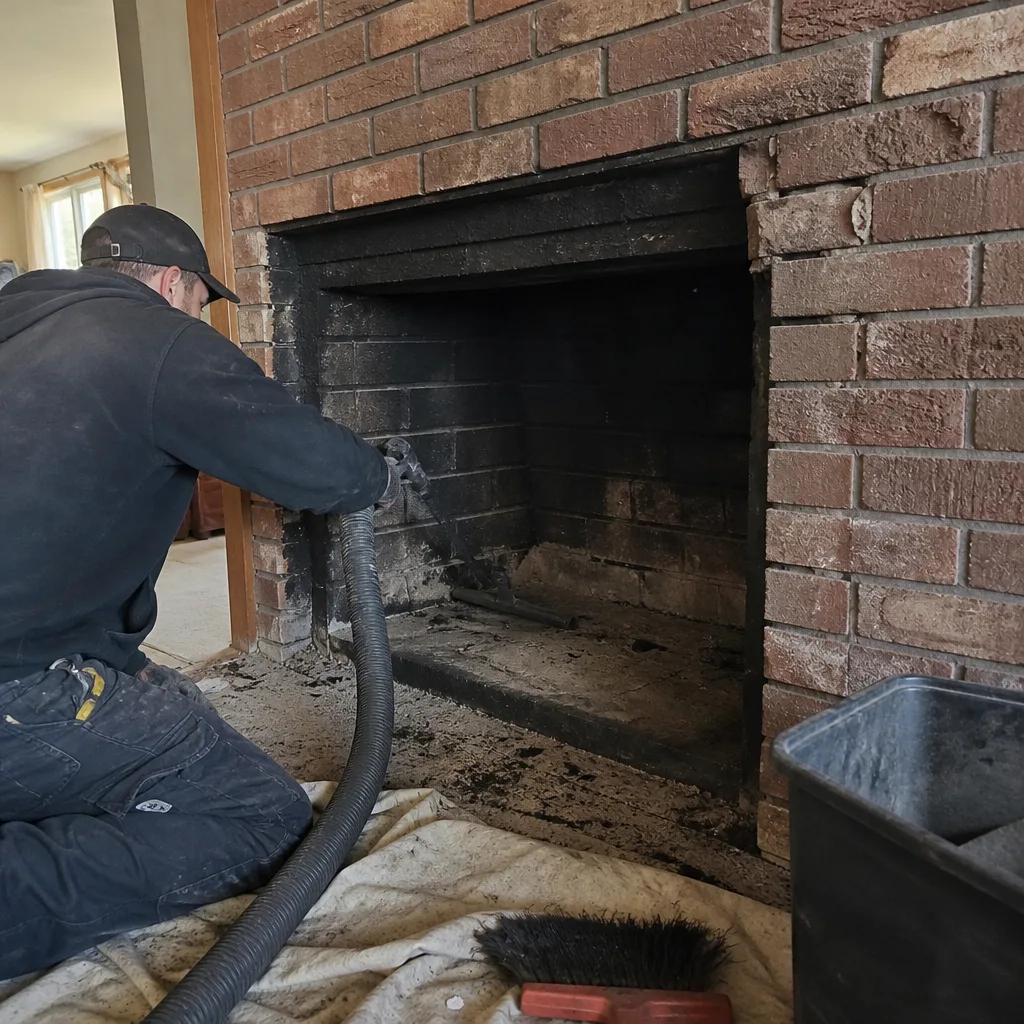 Before
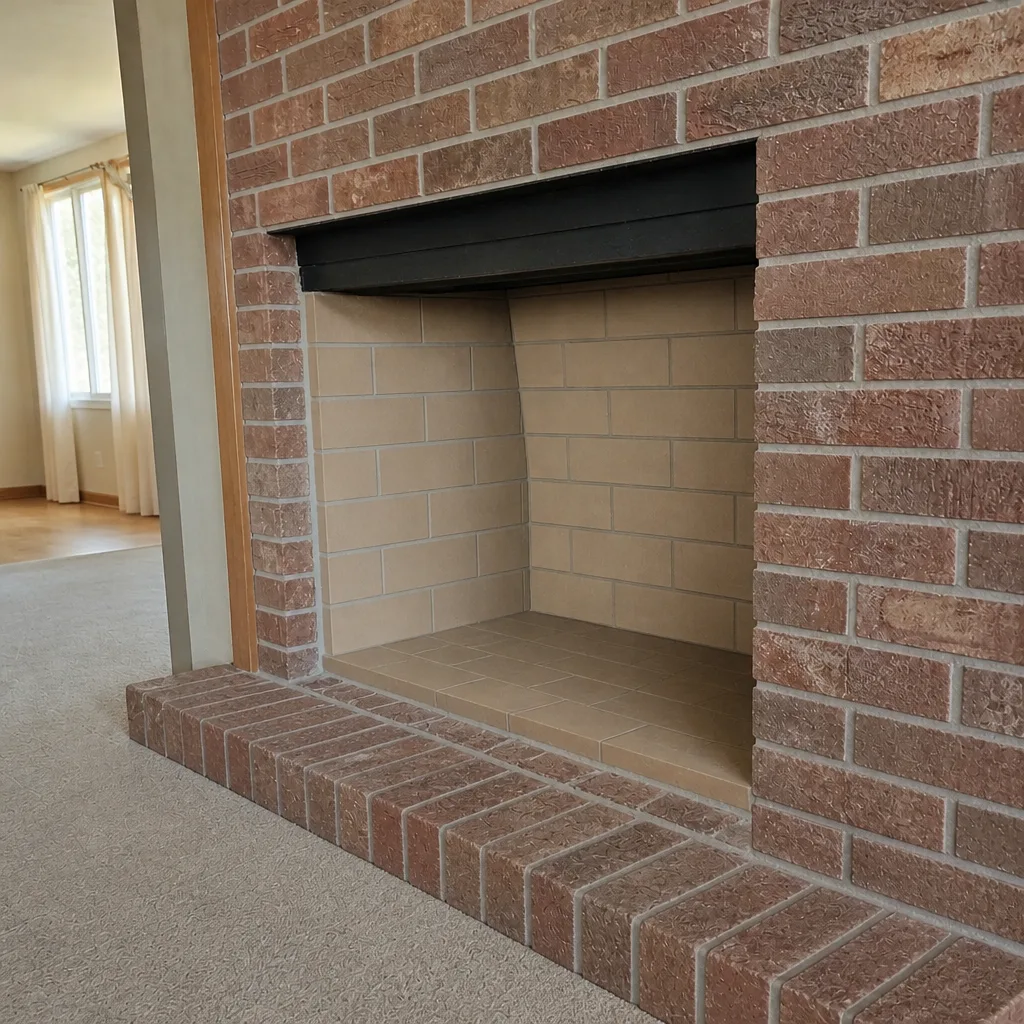 After
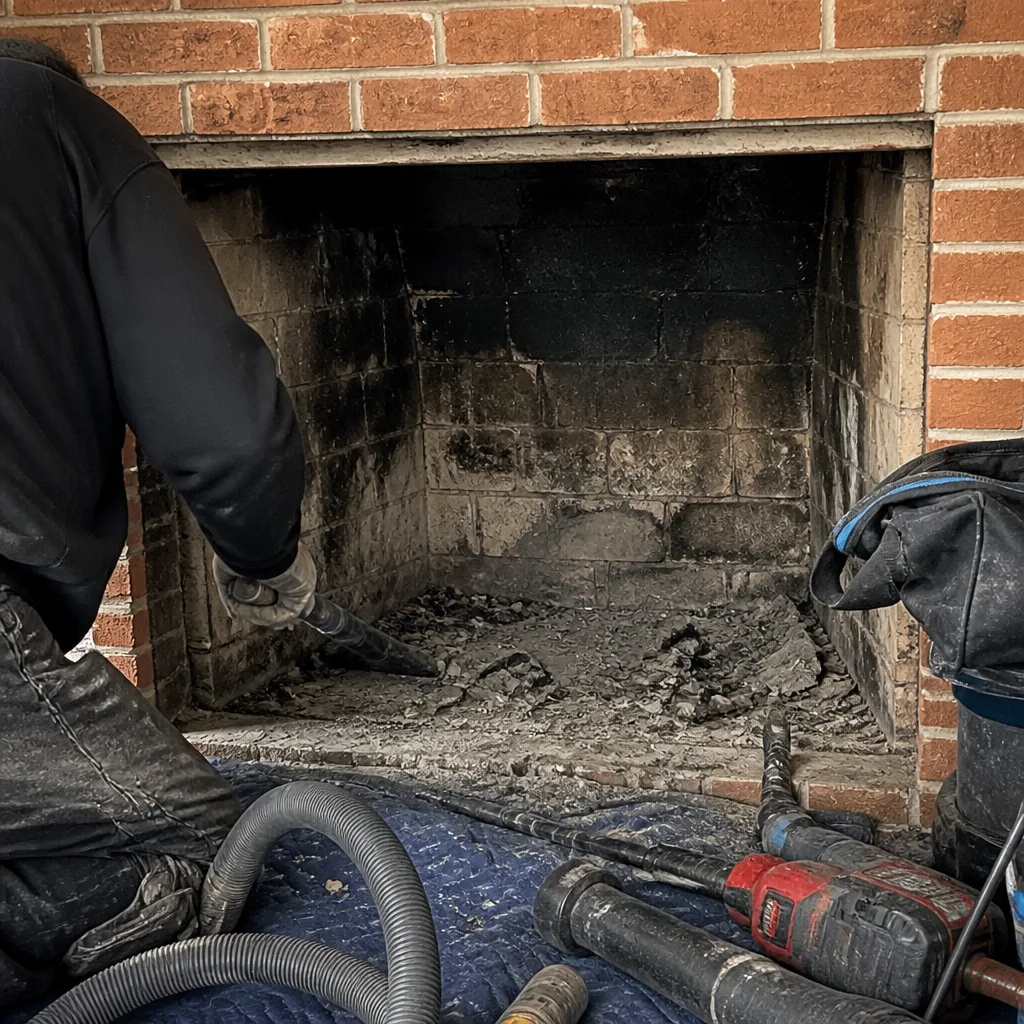 Before
 After
 Before
 After
When to Call a Professional
Call a professional chimney company when you haven’t had the flue inspected in a while and you burn wood regularly, when you smell smoke or a creosote odor in the room when the fireplace isn’t in use, when you notice water staining on the masonry or the ceiling near the chimney, when the crown on the roof looks cracked or separated, or when you’ve moved into a Parker home and don’t know the chimney’s service history. If you’re seeing black glazed deposits inside the firebox, that’s a signal worth a professional look. A chimney fire or a carbon monoxide concern in the house is a call-now situation; leave the house and call for help first.
Parker Chimney Sweep offers free estimates in Parker. Call (844) 443-4897. We answer 24/7. Fast dispatch from 7am to 7pm, Sunday through Friday.
Frequently Asked Questions
The professional brush is sized and matched to your specific flue tile and material, while the hardware-store kit is a one-size nylon set that doesn’t contact the walls with enough coverage to remove glazed creosote. The hardware-store brush can knock off loose soot but leaves the bonded deposit behind, which is the part that matters.
No. A treatment is used when the creosote is at a stage that needs softening before the brush can remove it. Stage 1 sooty deposits usually come off with mechanical cleaning alone; stage 2 and stage 3 deposits benefit from conditioning first. A professional assesses the flue and tells you whether treatment is needed, and the brush always follows either way. Call (844) 443-4897 if you’re not sure what your flue has in it; the inspection will tell you.
Purpose-engineered caps from brands like Gelco and Copperfield make sense because they’re sized to the flue and built with welded seams and materials suited to snow load and thermal swing. The universal caps sold at big-box stores are the first to rust at crimped seams in a Colorado freeze-thaw cycle. Ask your sweep which brand they install and why.
Often, yes. A full-service chimney specialist stocks and installs professional-tier product lines like DuraFlex, HeatShield, Gelco, Famco, Copperfield, and Olympia Chimney, which are the same brands trade insiders specify. A generalist typically uses whatever is available at the local supply house. The difference shows up in how long the repair holds up.
A chimney used regularly through the long wood-burning season should be inspected and swept more often than one used occasionally. The honest answer depends on what the inspection finds, which is why the inspection comes first. If you’ve burned heavily through a couple of winters without a sweep, book one before the next season starts. Call (844) 443-4897 for a free estimate.
Sometimes. HeatShield is a resurfacing method that can restore a flue tile with surface-level damage, extending the life of the liner without a full replacement. It’s not appropriate for every situation, and whether it fits your flue depends on what the inspection shows. We recommend it only when the evidence supports it.
The Bottom Line
The chimney cleaning brand question comes down to the products that touch your flue, your crown, and your cap. Matched professional brushes remove what a cheap kit leaves behind. Chemical treatments support mechanical cleaning but never replace it. Caps and liners built for Colorado’s freeze-thaw cycle last longer than the nationally marketed equivalents. And a full-service specialist moving from inspection through sweeping, cap, crown, and liner work with professional-grade materials at every step is one call instead of two.
Ask your Parker sweep what products they use and why. The answer will tell you most of what you need to know. When you’re ready for the inspection-first approach, Parker Chimney Sweep is a call away. Call (844) 443-4897 for a free estimate. We answer 24/7. Fast dispatch from 7am to 7pm, Sunday through Friday.
Written by the team at Parker Chimney Sweep.