
Last updated November 23, 2026
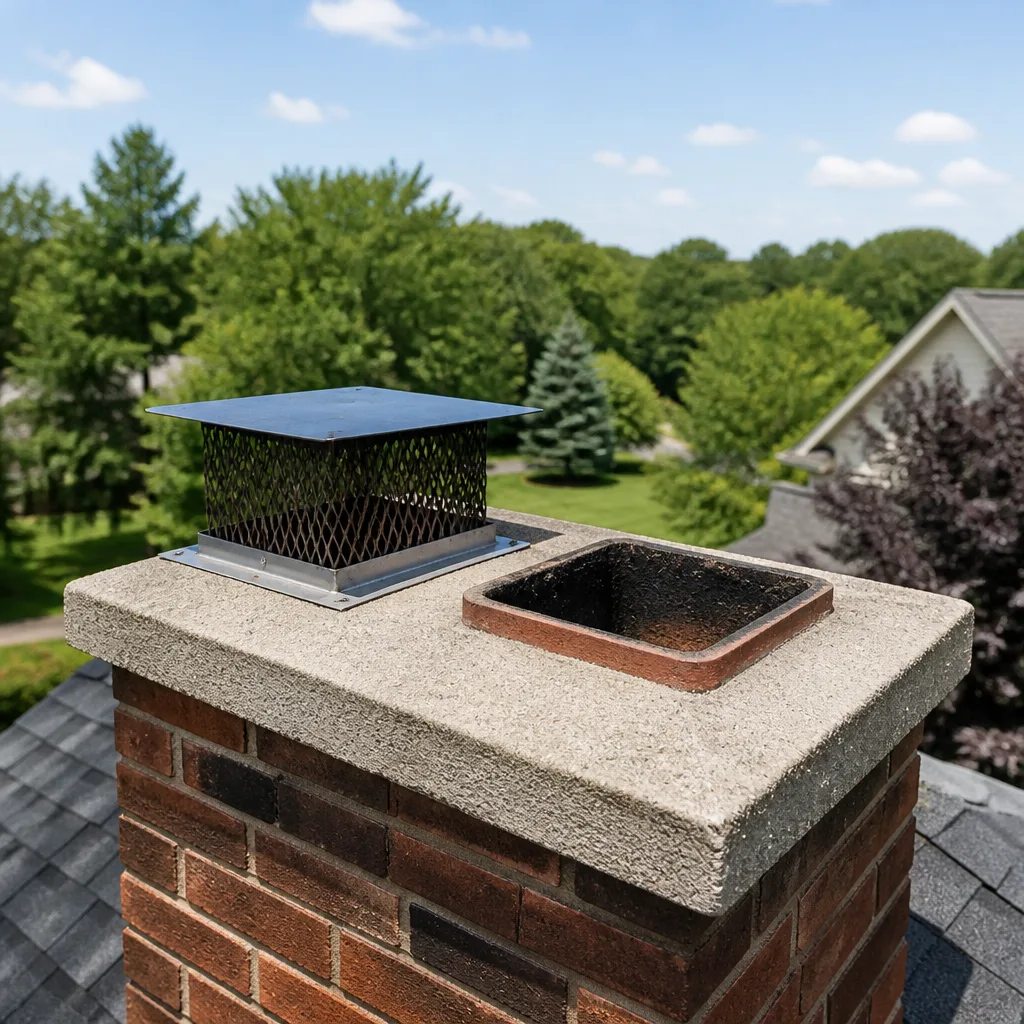 Sweep & inspection
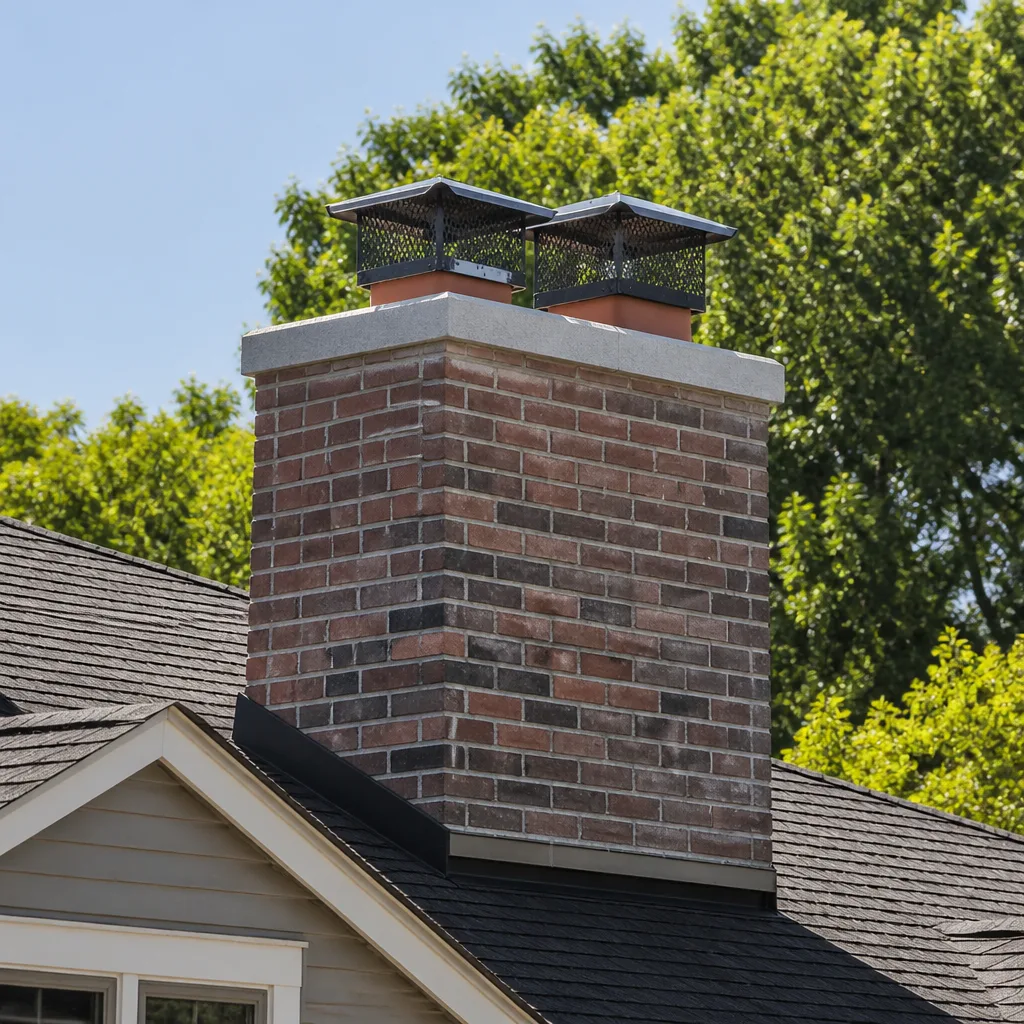 Caps & crowns
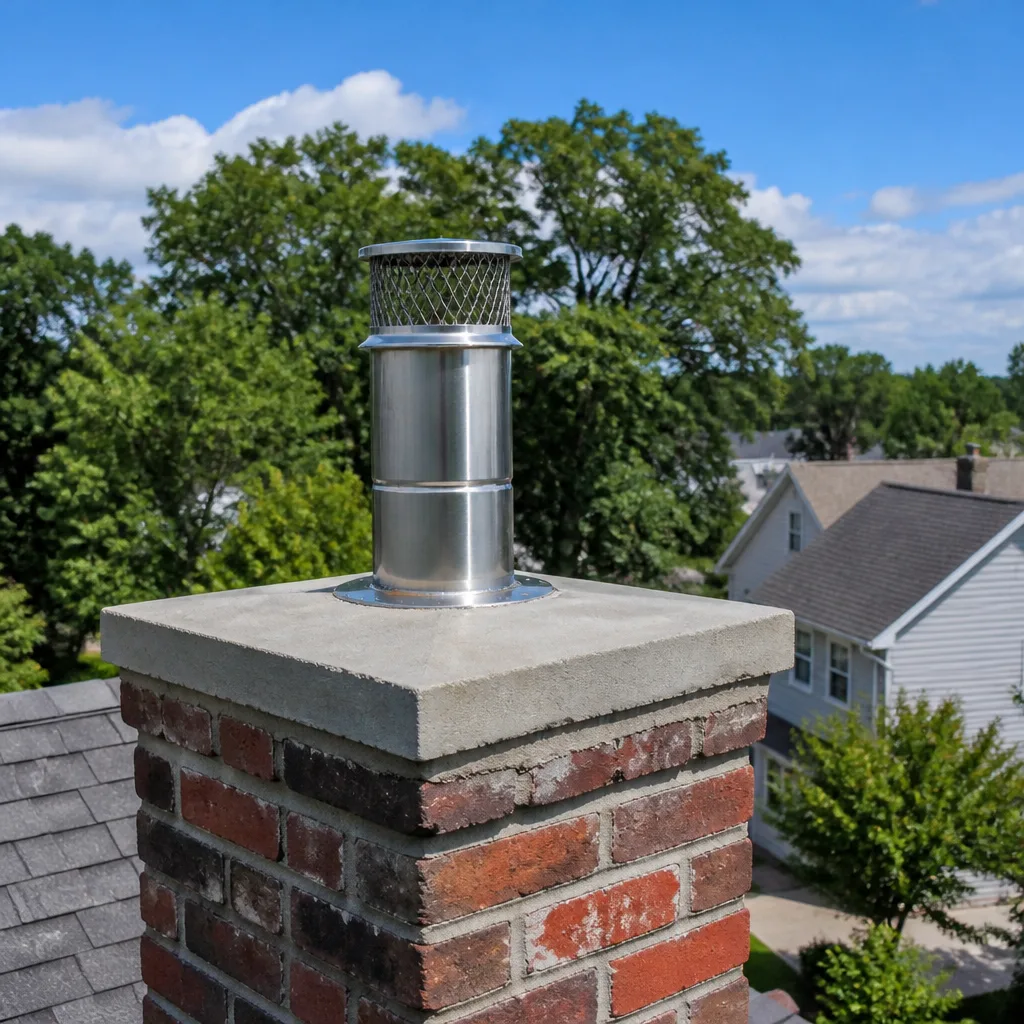 Flue relining
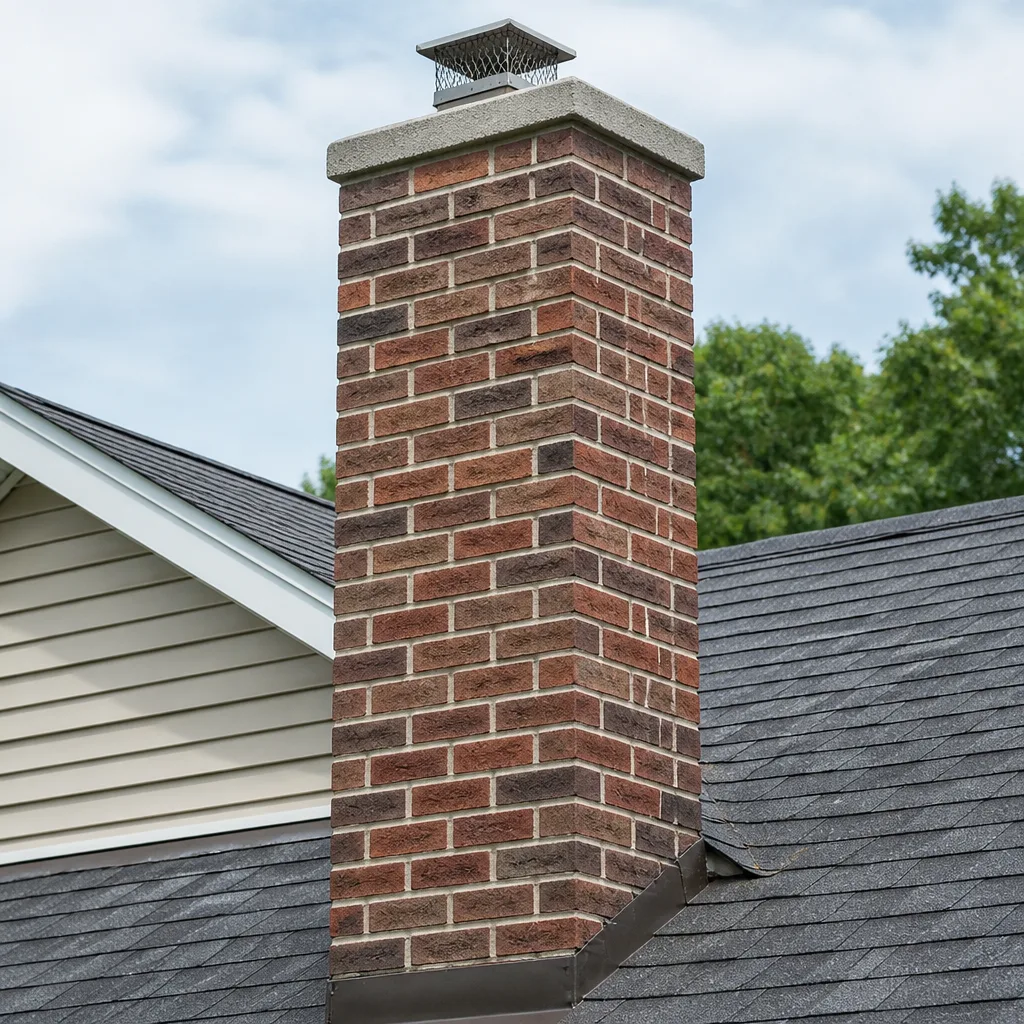 Masonry repair
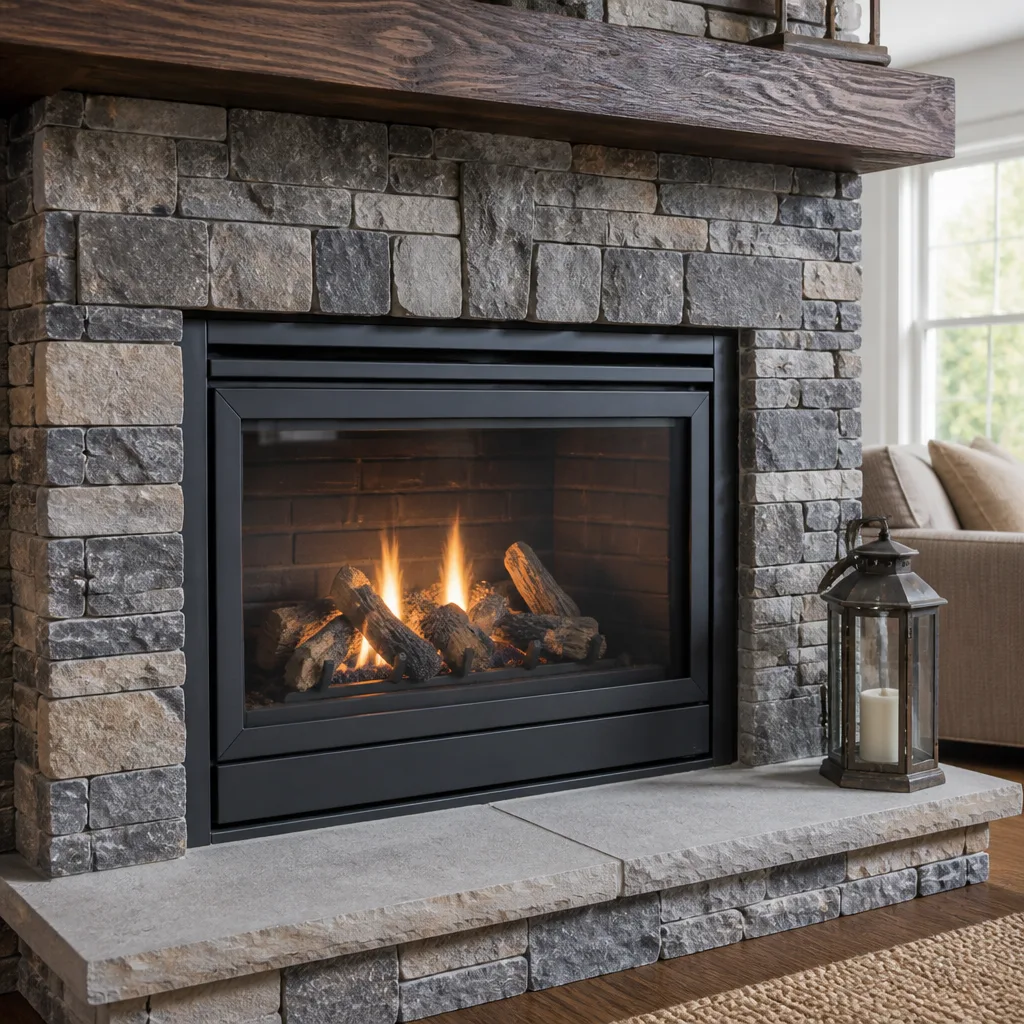 Gas fireplace service
Level 1 sweep and inspection to the NFPA 211 annual standard - flue, crown, cap, and flashing checked and photographed
Chimney sweep logs do not sweep chimneys. They loosen some creosote - which then falls where a brush and vacuum still have to collect it.
Chimney Cleaning Warning Signs: A Parker Homeowner’s Reference Guide
The signs most Parker homeowners catch first are the loud ones: smoke rolling into the room, a fireplace that won’t draw, soot on the hearth. The warning signs that actually matter tend to whisper. A faint campfire smell in a room with no fire burning isn’t ambiance left over from last week’s use. It’s usually creosote off-gassing through a crack you can’t see, and it means your flue is talking to your living space instead of the sky. This guide covers the subtle signals that show up months before a chimney fire or a carbon monoxide problem, explains the mechanism behind each one, and separates the signs that mean stop burning tonight from the ones that give you a month to book an appointment.
Quick Answer
The most reliable chimney cleaning warning signs are a faint smoky or campfire smell when no fire is burning, black or glassy creosote visible at the damper or firebox, a draft that’s weaker than it used to be, crumbling or white-stained masonry, and a cap or crown that’s cracked or missing. Any of those means the chimney needs a professional inspection before you light the next fire. Signs that mean stop using the fireplace immediately: smoke backing into the room, a smell of exhaust indoors, or visible damage to the flue interior.
Styles & brands we work with
- Sweep & inspection
- Caps & crowns
- Flue relining
- Masonry repair
- Gas fireplace service
Table of Contents
- The Seven Subtle Signs Most Parker Homeowners Ignore
- How Parker’s Dry Climate Changes the Warning Signs You See
- Draft Problem, Blockage, or Liner Failure: Three Causes, One Symptom
- Warning Signs You Walk Past Outside Every Day
- A Triage Framework: Stop Burning Versus Schedule Within 30 Days
- What Creosote Actually Is and Why It Gathers
- Common Mistakes to Avoid
- When to Call a Professional
The Seven Subtle Signs Most Parker Homeowners Ignore
These are the signals we hear homeowners dismiss most often. Each one has a mechanical reason behind it, and that reason is usually more useful than the symptom itself.
- A faint campfire smell with no fire burning. That smell is combustion byproducts escaping into the room rather than up the flue. It usually means a cracked flue tile, an open joint, or a failed liner, and it’s the clearest early indicator of a liner problem.
- Creosote that looks like glass or tar rather than soot. Glazed, shiny creosote is the hardest stage of buildup to brush away, and it’s the stage most associated with chimney fires because it ignites readily at high heat.
- A fire that burns poorly compared to last season. If the same wood and the same technique produce a lazier flame, the flue is probably restricted by buildup or a partial obstruction.
- Smoke that spills out of the firebox when you open the door or add a log. That’s a pressure or draft problem, not a sign of a bad fire. A flue that can’t keep up needs a camera inspection to find out why.
- Soot streaking above the firebox. Streaks that trail upward from the damper suggest combustion gases are escaping and finding their way through gaps in the masonry.
- A dull or persistent odor in the house during damp weather. Creosote absorbs moisture and releases odor when the humidity rises, which is one reason the smell comes and goes.
- White powdery staining on exterior masonry. Efflorescence is salt drawn to the surface as moisture moves through brick. It is also a marker of water intrusion, which degrades masonry and the flue over time.
None of these require alarm. All of them require a look, because the whole point of an inspection is to catch the problem while it’s still a repair rather than a rebuild. If any of these sound familiar, our technicians have up to 8 years of experience tracking down exactly what’s producing the symptom.
How Parker’s Dry Climate Changes the Warning Signs You See
Chimney problems in a humid climate look different from chimney problems in Parker. The Front Range’s dry air and wide temperature swings push masonry through repeated freeze-thaw cycles, and the failure patterns that leaves are distinct.
Spalling is the main warning sign here. Spalling is brick or mortar breaking away in layers, and in Parker it happens because moisture gets into the masonry, then freezes overnight and expands. Dry air lets the surface dry out during the day, but the water already inside the brick doesn’t go anywhere fast. The result is face flaking, crumbled mortar joints, and eventually a crown that starts to crack. In humid climates, you’d more often see persistent green growth and soft, saturated brick; in Parker, you’ll see flaking faces and hairline cracks that widen over the winter.
Efflorescence patterns differ too. Dry-climate efflorescence shows up in patches after a snowmelt or a soak, then disappears as the masonry dries. Persistent white staining that never clears is a sign water is coming from somewhere structural, not from the surface. Both patterns deserve a close look at the crown, the flashing, and the cap, since those are the three places water gets in.
Cracks open and close with the seasons. A crack that appears in a mortar joint in late winter and seems to close by summer is a real crack, not a cosmetic one. If you’ve ever noticed this on your exterior, it’s the kind of detail a trained eye uses to decide whether a chimney repair is preventive or overdue.
A dedicated cap and crown service matters more in Parker than most homeowners realize. A fitted, purpose-engineered cap from Gelco or Famco keeps rain and snow out of the flue, which is the single most effective thing you can do to keep masonry from cycling through freeze-thaw damage every winter.
Draft Problem, Blockage, or Liner Failure: Three Causes, One Symptom
Three completely different failures produce nearly identical complaints: weak draft, smoke, and a fireplace that’s harder to start than it used to be. Getting to the right answer means ruling them out in order, and the order matters because each one has a different fix.
1. A draft problem
A draft problem means the flue is intact but not pulling air. Common causes: the house is running tighter than it used to thanks to added insulation or new windows, a nearby exhaust fan competes for air, or the chimney is on the wrong side of the pressure envelope. Draft problems are the most common and the least expensive to sort out. A sweep and an inspection will show whether something physical is involved, and sometimes the fix is as simple as leaving a window cracked or adjusting the damper.
2. A blockage
A blockage is an obstruction in the flue: a bird nest, leaves, a collapsed tile, a buildup ridge. Blockages are dangerous because they force combustion gases into the living space rather than out. They also create carbon monoxide risk if the restriction is severe enough. A camera inspection clearly identifies a blockage and, importantly, shows you what it is before anyone recommends anything.
3. A liner failure
A liner failure means the flue itself is compromised: a cracked tile, an open joint, or a deteriorated liner that lets gases through. This is the failure most tied to chimney fires, because the same cracks that let smoke escape also let heat reach combustible structure. A liner failure usually means relining or restoring. That’s also where HeatShield comes in: it’s a resurfacing method that can restore certain damaged flue tiles rather than replacing the entire liner, which extends the life of the existing flue instead of tearing it out.
The reason this distinction matters is that the wrong response to the wrong cause wastes money and misses the actual problem. We inspect before we recommend anything, and we show you the camera evidence so you can see the difference for yourself.
Warning Signs You Walk Past Outside Every Day
Most homeowners only look up at the chimney when something’s on fire, and that’s backwards. Many of the most important warning signs are visible from the driveway.
- A missing or damaged chimney cap. A cap is the metal or masonry cover over the flue opening. If it’s gone, dented, or rusted through, rain, snow, and wildlife have an open door into your flue. This is the most common preventable cause of water-related chimney damage.
- Cracks in the crown. The crown is the sloped concrete or masonry surface at the very top. Hairline cracks happen to almost every crown eventually. Bigger cracks, or a crown that’s pulling away from the flue, mean water is getting behind it.
- Crumbling mortar joints. If the mortar between the bricks at the chimney top looks recessed compared to the rest of the wall, it’s worn. Recessed joints and loose bricks are early signs of masonry that needs attention before water gets into the wall.
- A leaning chimney. Any visible lean, even small, means the structure needs a professional look. Do not wait on this one.
- White or gray staining on exterior brick. Discussed above: it’s a moisture marker. If it’s persistent, look at the flashing and the crown.
- Rust stains on the exterior or at the firebox. Rust means water is inside the chimney somewhere. It may be the cap, a corroded damper, or a failing liner.
- Bird activity around the flue. Birds that seem to be flying toward the chimney, or nesting material visible near the cap, mean the flue may already have a blockage.
Walk a slow lap around your house once a season and look up. If any of the above stands out, get an inspection on the calendar. A brief check is a lot less expensive than a masonry rebuild.
A Triage Framework: Stop Burning Versus Schedule Within 30 Days
Not every warning sign means the same thing. Here’s how we sort them, and how you can too.
Stop using the fireplace immediately if you see:
- Smoke coming back into the room
- A smell of exhaust in the house with no fire burning
- Visible cracks in the flue (after a camera inspection)
- A chimney fire in the last year, whether or not it was visible
- Any structural damage to the chimney exterior (lean, loose bricks)
- Staining, soot streaks, or burn marks on exposed structure near the flue
These mean combustion gases may be entering the house, or that the flue’s integrity is uncertain. Don’t light a fire until a professional has looked. If you suspect a chimney fire has already happened, treat it as an emergency even if the fire seemed to go out on its own.
Schedule within 30 days if you notice:
- Weaker draft than usual
- Glazed or tar-like creosote at the firebox
- A persistent odor in the house
- White staining on exterior masonry
- A damaged or missing cap
- Cracks in the crown
- A fire that smokes more than it used to
The theme here is that symptoms you can only see with a camera go in the first column, and symptoms you can see with your own eyes usually go in the second. The second column is not “ignore it” – it’s “book a chimney sweep and inspection soon, before the season changes.”
What Creosote Actually Is and Why It Gathers
Creosote is the tar and soot that condenses out of combustion gases as they cool on the way up the flue. It’s the residue that makes chimney fires possible, and it forms in three stages.
Stage one is soft, flaky soot. It brushes away easily and isn’t a big fire risk if it’s thin. Stage two is a harder, crusty deposit that takes more work to remove. Stage three is glazed, shiny, tar-like, and the most flammable. It’s almost always the result of a fire that ran cool: wood that was too green, a damper that stayed too closed, or a lot of small fires rather than sustained hot burns. Cool fires produce more creosote, and creosote is what burns in a chimney fire.
Parker’s weather makes the cool-fire problem a real one. Wood stored outside gets wet, snowmelt adds moisture, and the temptation is to burn half-dry wood because it’s easier to light. That’s exactly how stage three creosote forms. If your wood supply isn’t fully dry, expect more buildup than a household that only burns well-seasoned wood.
The takeaway is that creosote gets decided by how you burn, not just how often. If you see glazed buildup at the firebox, the flue needs a sweep before it gets worse, and the right answer is a professional-grade cleaning, not a consumer chimney log or a hardware-store brush. We install and work with Olympia Chimney components and other professional lines, precisely because a chimney isn’t a place for universal parts.
Common Mistakes to Avoid
- Treating a smell as a “house smell.” A chimney that smells of campfire or damp soot when no fire is burning is usually trying to tell you something. Don’t mask it with an air freshener; get it inspected. Liner cracks get worse, not better.
- Burning green wood to “save money.” Wet wood creates more creosote and more problems. In Parker, buying seasoned wood and storing it covered is cheaper than the relining it avoids. This is the single change that prevents the most costly repairs.
- Assuming a cap is a universal fit. A hardware-store cap is not the same thing as a purpose-engineered one. Cheap caps rust out quickly and often don’t seal correctly. A fitted Gelco or Famco cap covers the flue opening and protects the crown.
- Ignoring exterior crown cracks. A hairline crack in the crown is manageable. Left alone through a Parker winter, the same crack can let water into the masonry, which is where expensive repairs start.
- Believing “the chimney was just cleaned, so it’s fine.” Sweeping is not the same as an inspection. A proper inspection follows the NFPA 211 standard and uses a camera to look inside the flue. Cleaning removes buildup; it doesn’t tell you whether the liner is intact. Our chimney sweep page explains the difference in detail, and our chimney repair work starts with that inspection every time.
- Burning fireplace logs designed to reduce creosote instead of getting the chimney swept. Logs can help as a supplement, but they don’t replace a professional cleaning. Glazed creosote needs mechanical removal.
- Skipping the inspection because you “just want a cleaning.” A sweep without an inspection is only half the job. If we find a liner issue during the sweep, we’ll show you the camera footage and let you decide. Nothing is recommended without evidence you can see.
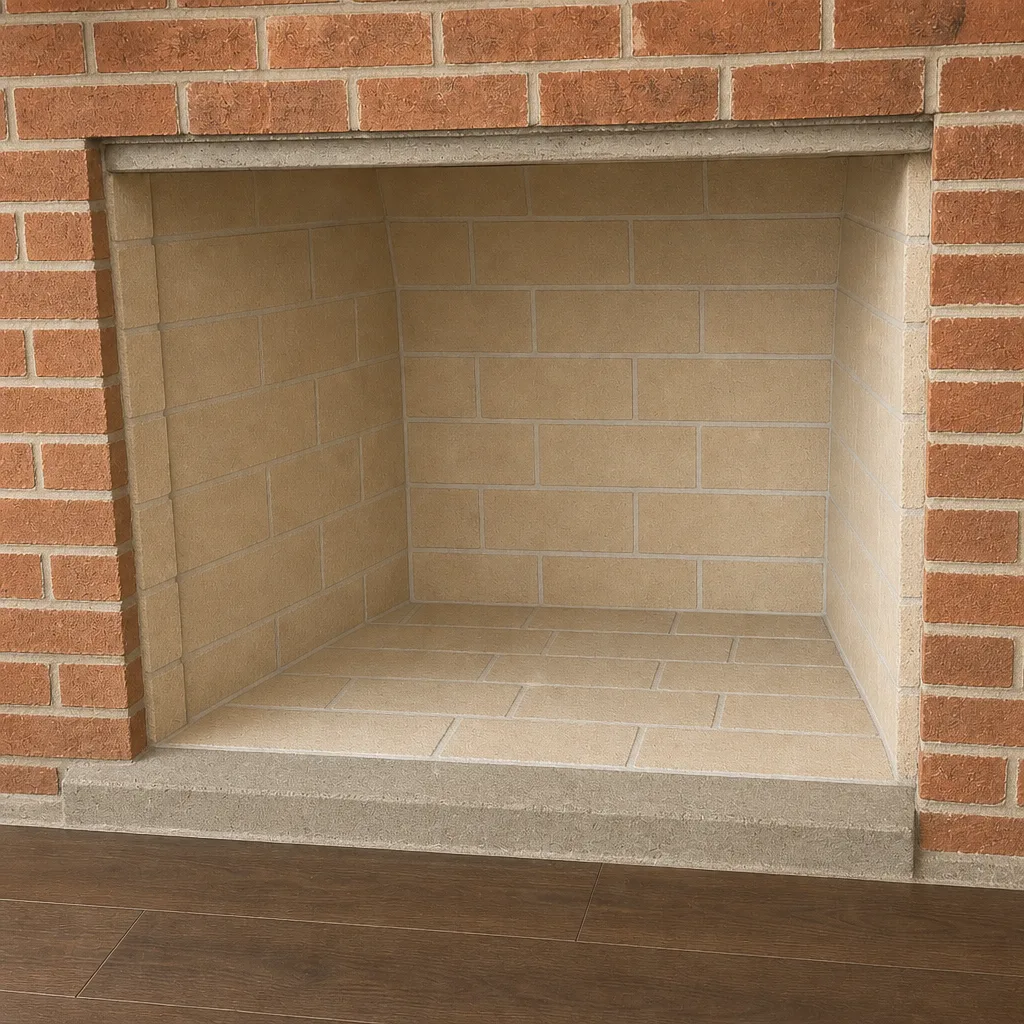
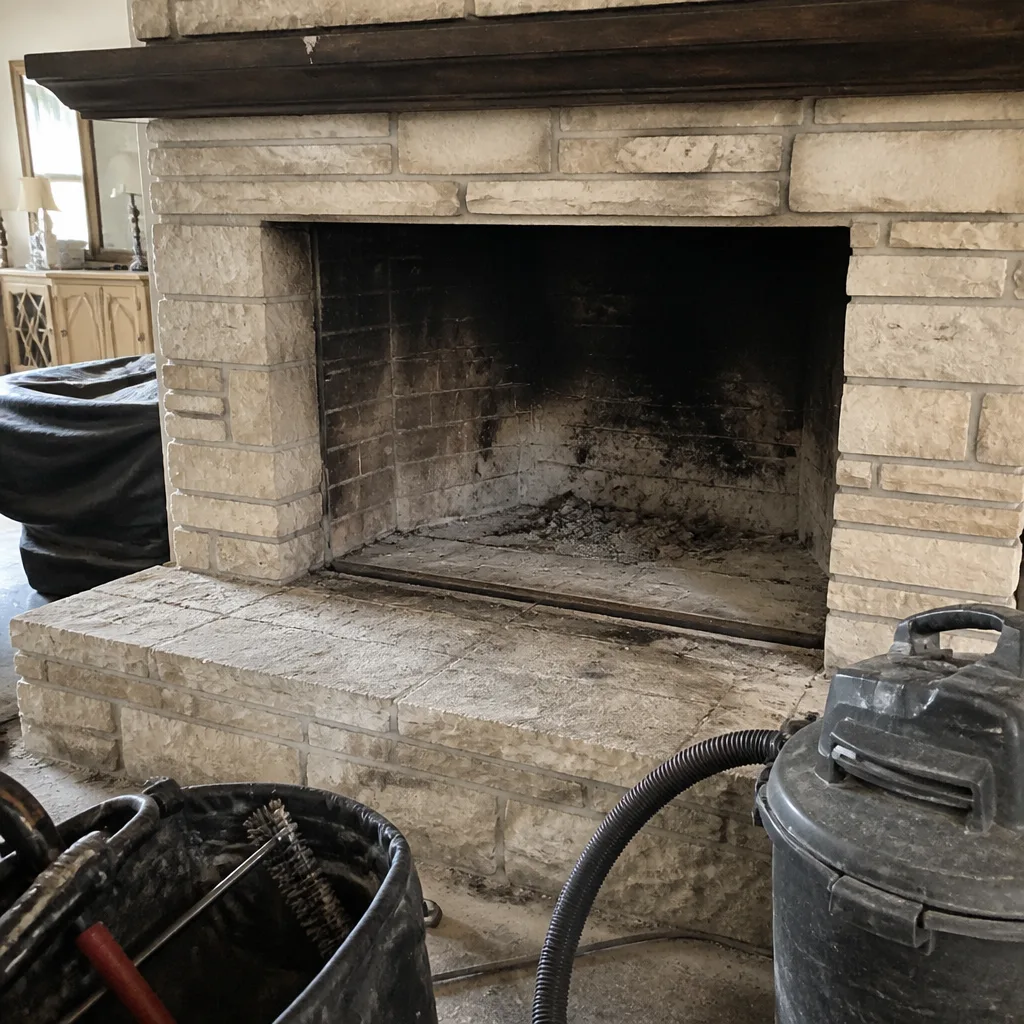
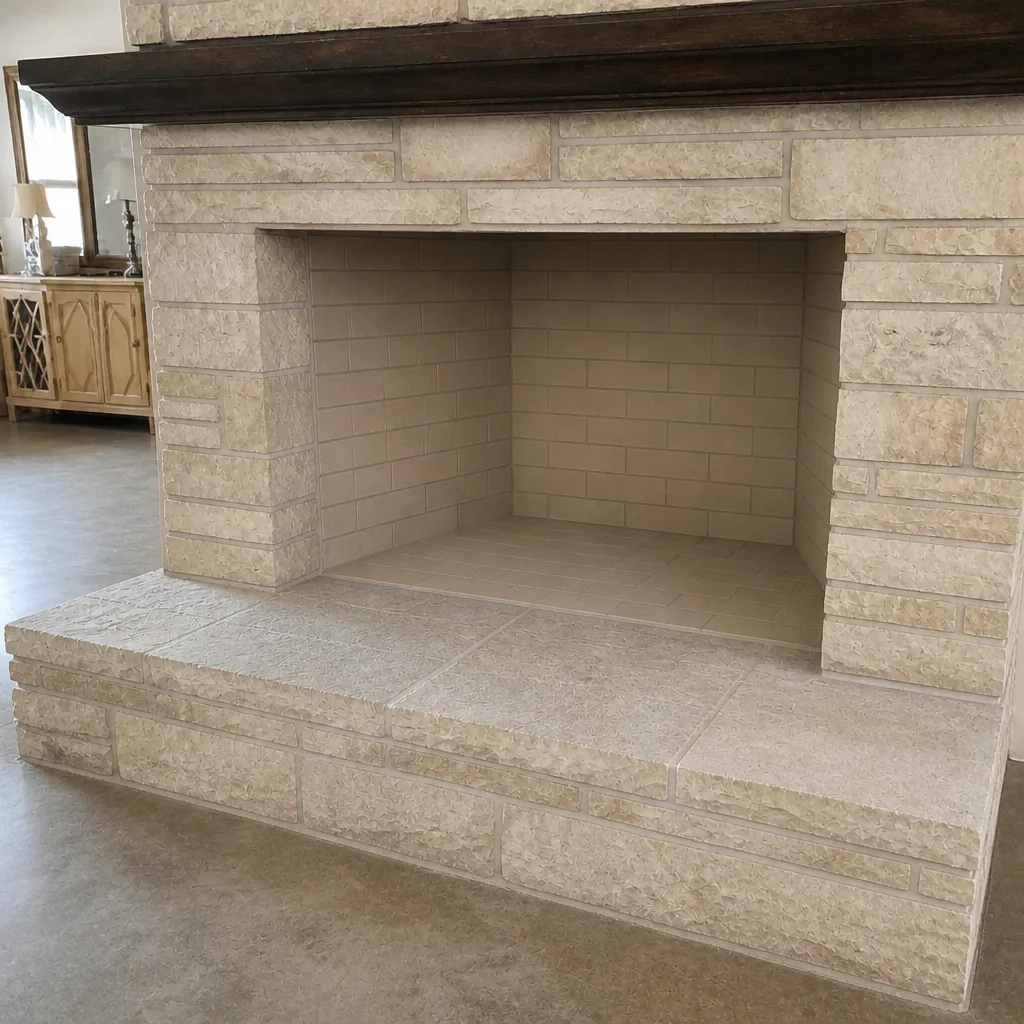
See the difference
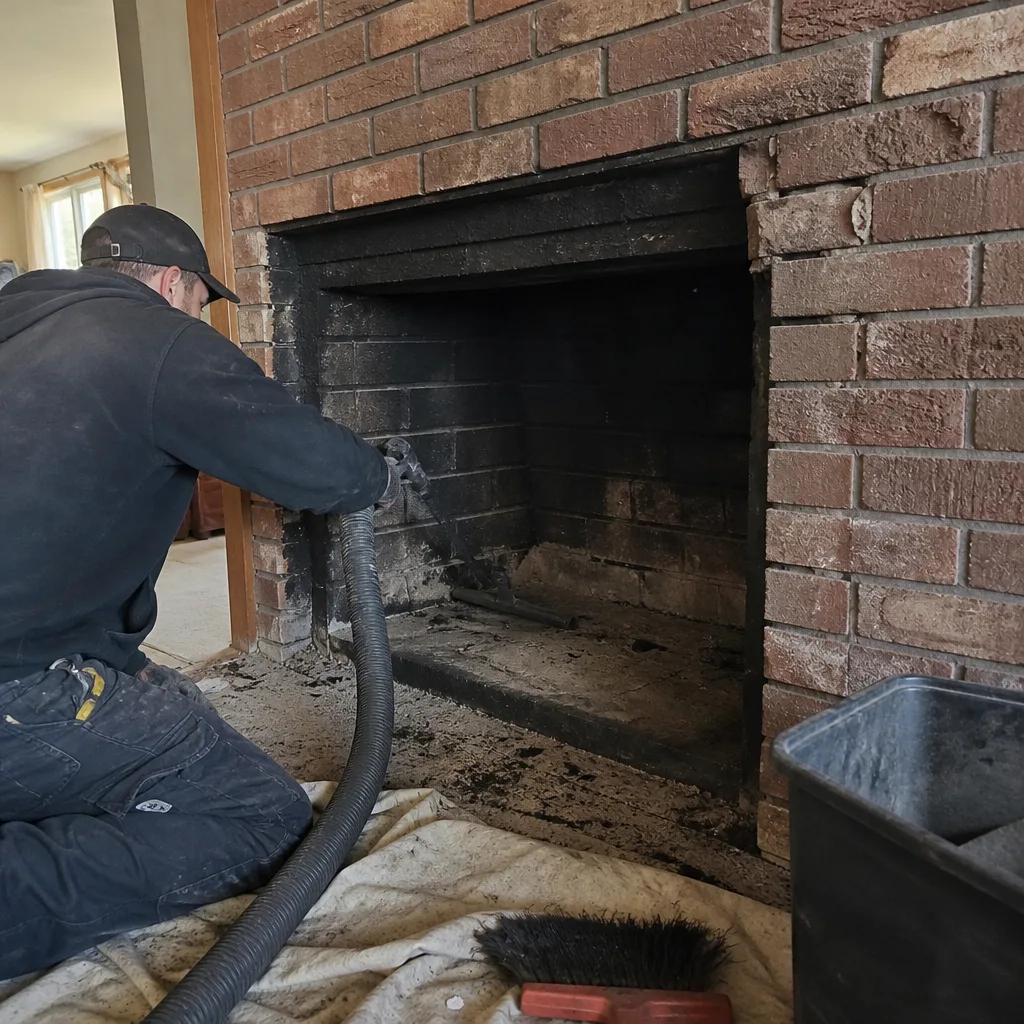 Before
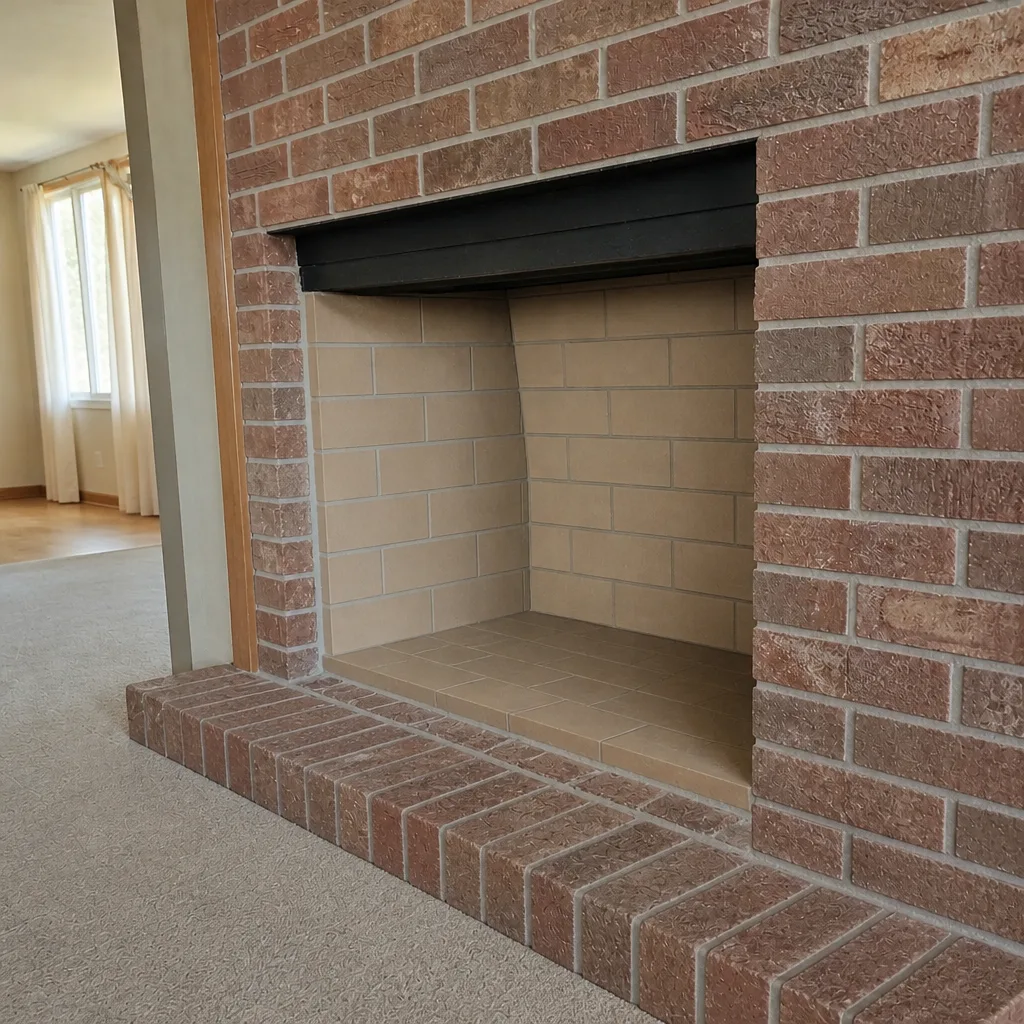 After
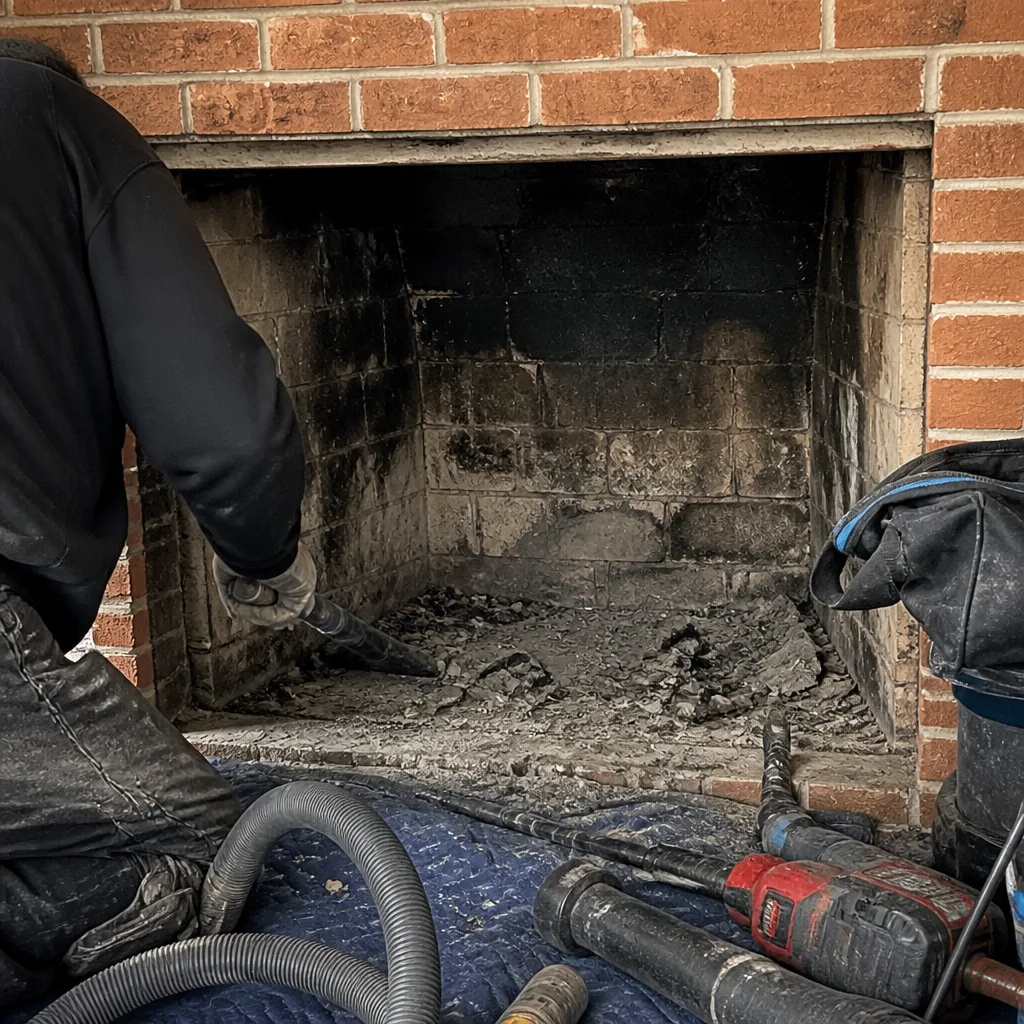 Before
 After
 Before
 After
When to Call a Professional
Call if you’ve seen any of the stop-burning signs, if you’ve noticed any of the subtle signals covered above, or if it’s simply been a while and you’re not sure of the last inspection. If you just bought a Parker home with a fireplace, get an inspection before your first fire, regardless of what the last owner said. A scheduled sweep and inspection before the burning season is the best time to catch a small problem. And if you’ve had a chimney fire, visible or not, call before lighting anything.
Parker Chimney Sweep offers free estimates in Parker – call (844) 443-4897. Our technicians have up to 8 years of experience, and we inspect before we recommend any repair, so you see the evidence yourself. We answer 24/7. Fast dispatch from 7am to 7pm, Sunday through Friday.
Frequently Asked Questions
The earliest reliable signs are a faint campfire smell when no fire is burning, glazed or tar-like creosote at the firebox, and a draft that feels weaker than in previous seasons. Any of these means the flue needs an inspection before the next fire, because the same symptoms can come from a draft problem, a blockage, or a liner issue. Call (844) 443-4897 for an exact quote – estimates are free.
Most homes that burn regularly need a sweep about once a year, and sometimes more if wood quality is inconsistent or fires tend to run cool. Even if you only burn lightly, an annual inspection is worth doing, because the signs that precede chimney fires are usually not visible from inside the house. Call us to get a sweep on the calendar before the season starts.
You need a new liner if, and only if, the flue tiles are cracked, the joints are open, or the lining has deteriorated to the point where combustion gases can pass through. Ask to see the camera footage. A qualified inspector will show you the damage and explain whether resurfacing methods like HeatShield can restore the existing flue rather than replacing the liner entirely. That’s a material difference in cost, and it’s one you can verify. Call (844) 443-4897 for an exact quote.
A faint smoky smell in the house when no fire is burning is a sign combustion gases may be escaping into your living space, and it should be treated as a possible liner problem. It doesn’t mean a fire is imminent, but it does mean the flue’s integrity needs checking before you light anything. Call us to schedule an inspection; we’ll show you what we find.
Skipping a cleaning lets creosote accumulate, and glazed creosote is the stage most associated with chimney fires. Skipping also means a crack or a blockage can go unnoticed, which is the more common route to a carbon monoxide problem. The fix for a skipped cleaning is a sweep and inspection; the fix for a skipped liner repair can be much more. Call (844) 443-4897 before you light the next fire.
A sweep is a physical cleaning of the flue and firebox; an inspection is a diagnostic look inside the flue, usually with a camera, following the NFPA 211 standard. A proper visit usually does both in the same appointment. Our chimney sweep page and chimney repair page cover what to expect from each. You can also call (844) 443-4897 and ask us directly.
The Bottom Line
The most dangerous warning signs in Parker are the quiet ones: the smell, the weakened draft, the hairline crown crack, the glazed creosote at the firebox. Loud signs get noticed and get fixed. Quiet signs get dismissed, and dismissing them is how a small repair becomes a liner replacement. The rule we come back to is simple: look, then inspect, then repair – in that order. If you see any stop-burning sign, don’t burn. If you see any of the 30-day signs, get an appointment on the calendar. A careful fireplace repair is one appointment; a chimney fire puts you in a different category entirely. We’re Parker Chimney Sweep, we handle everything from the firebox to the crown, and we work with you to keep your chimney safe for the season.
Written by the team at Parker Chimney Sweep.