
Last updated November 23, 2026
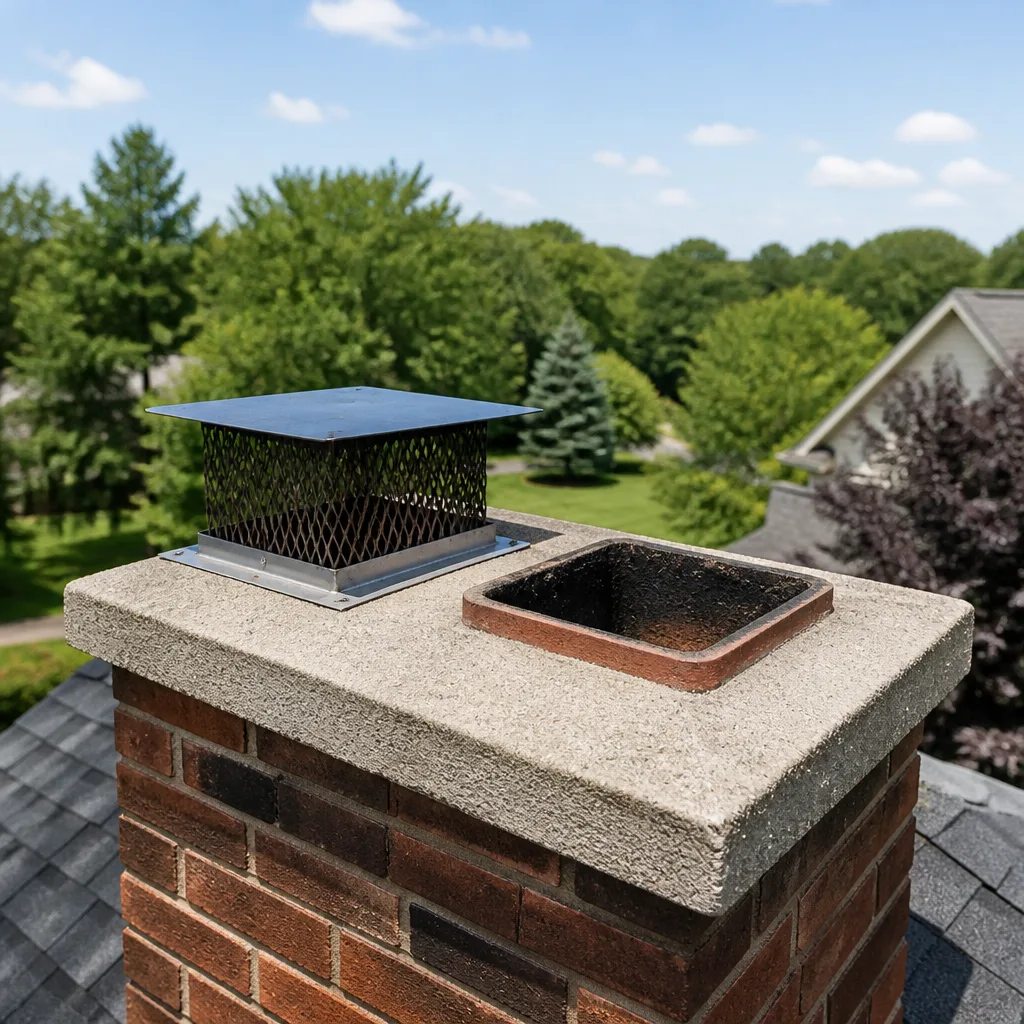 Sweep & inspection
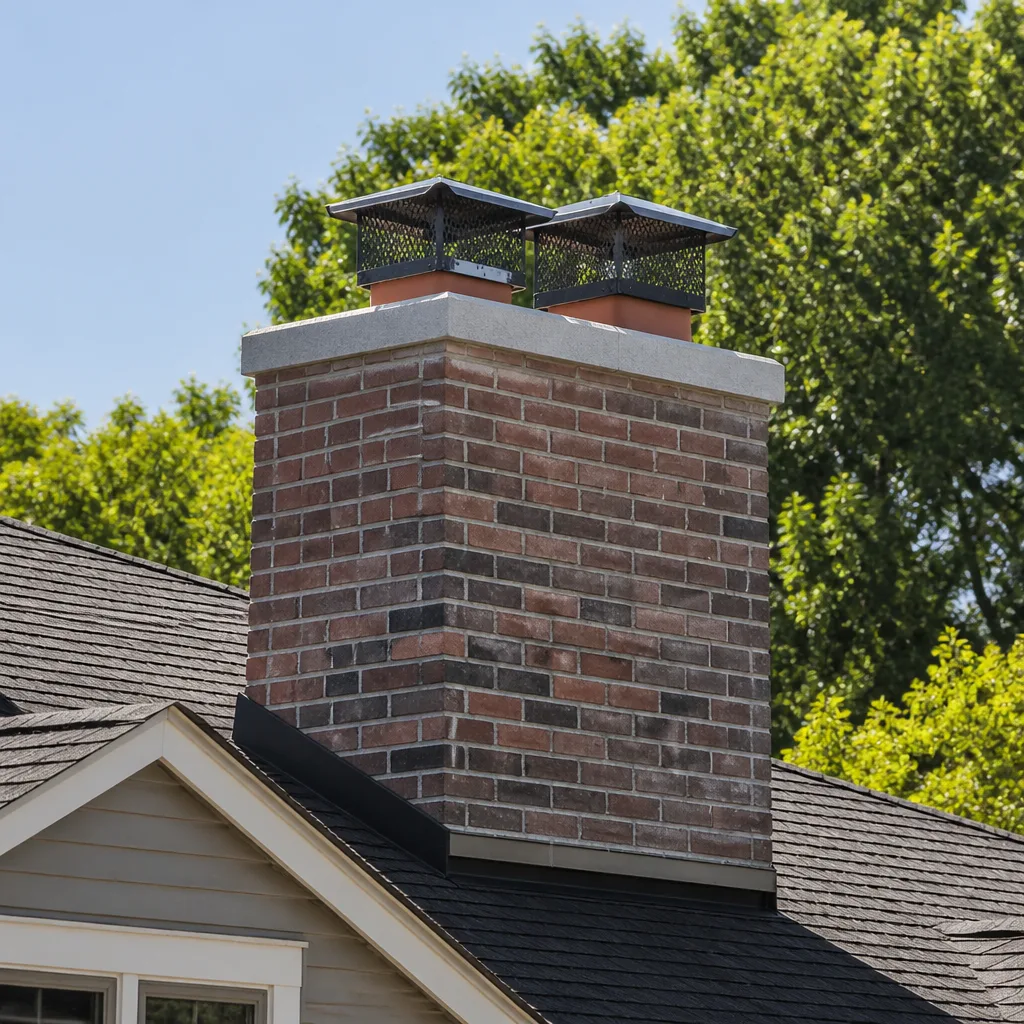 Caps & crowns
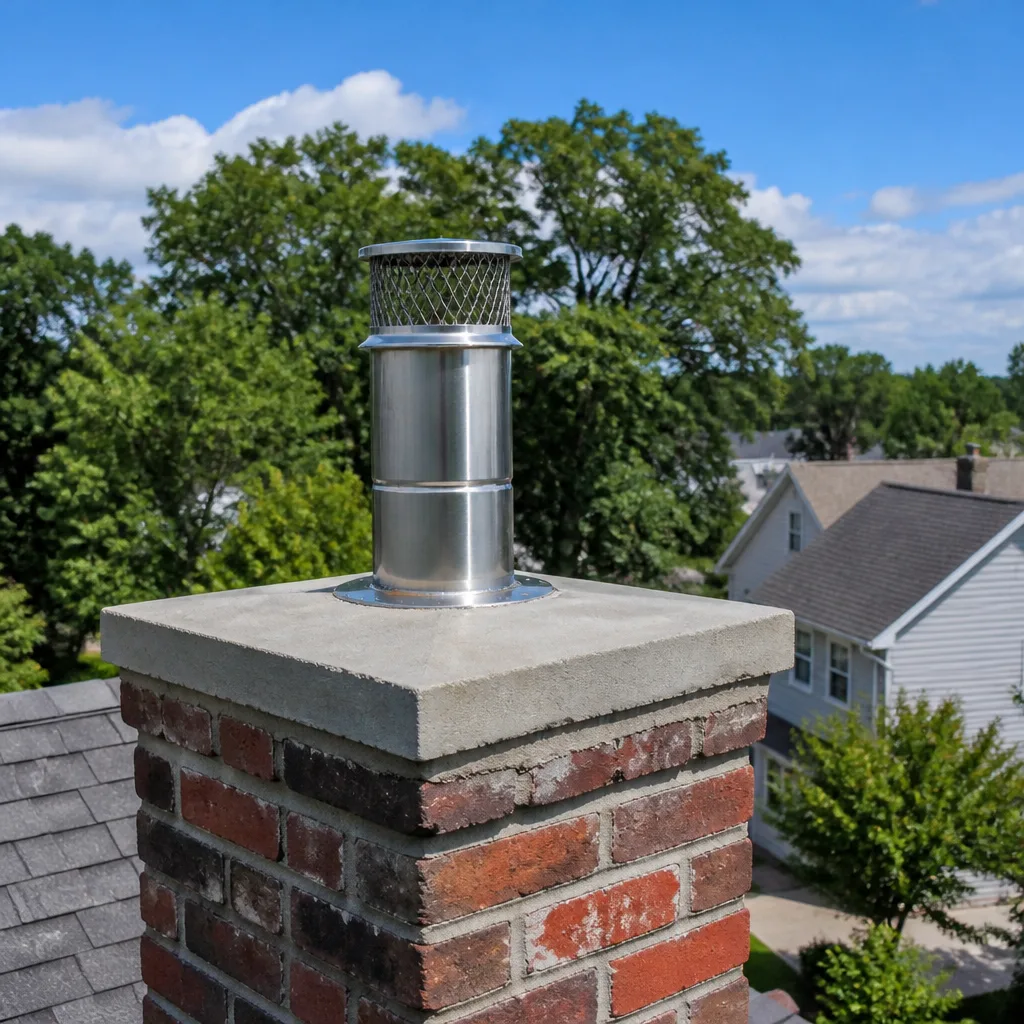 Flue relining
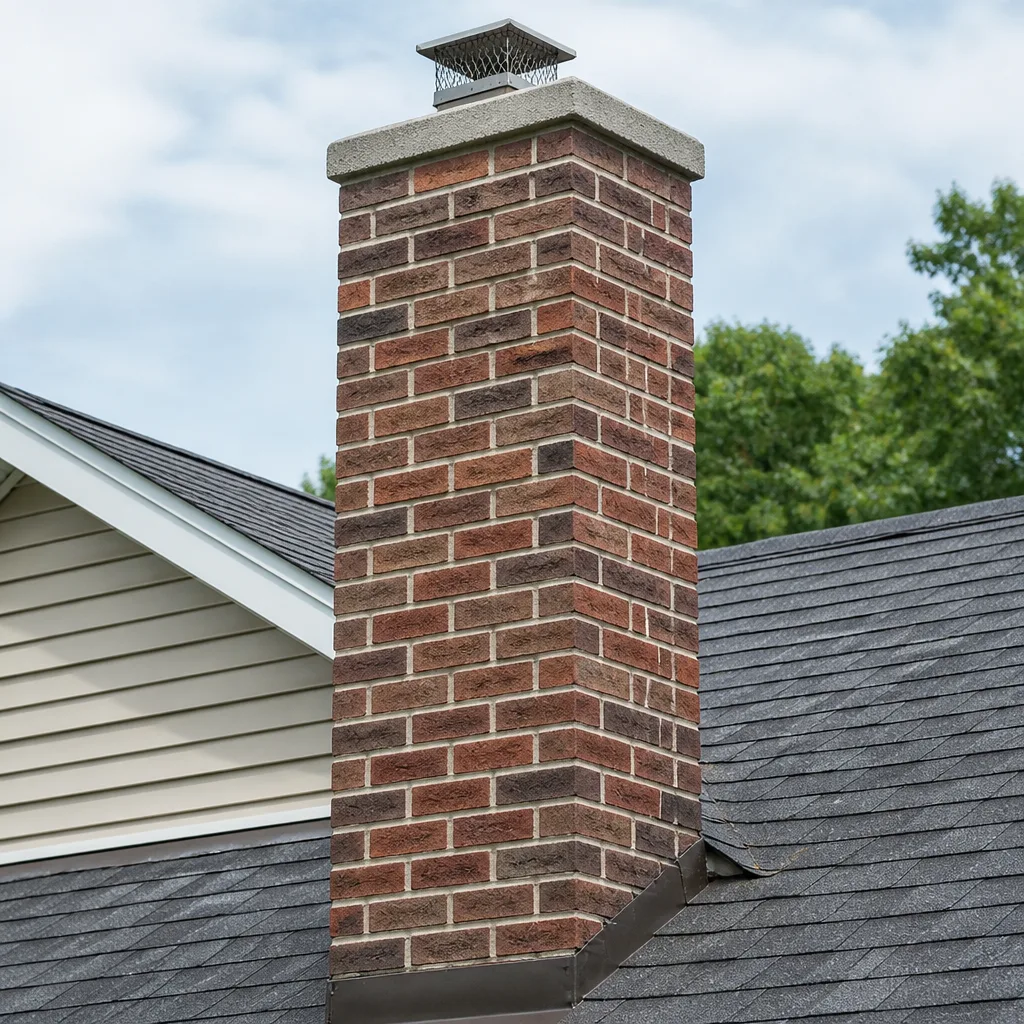 Masonry repair
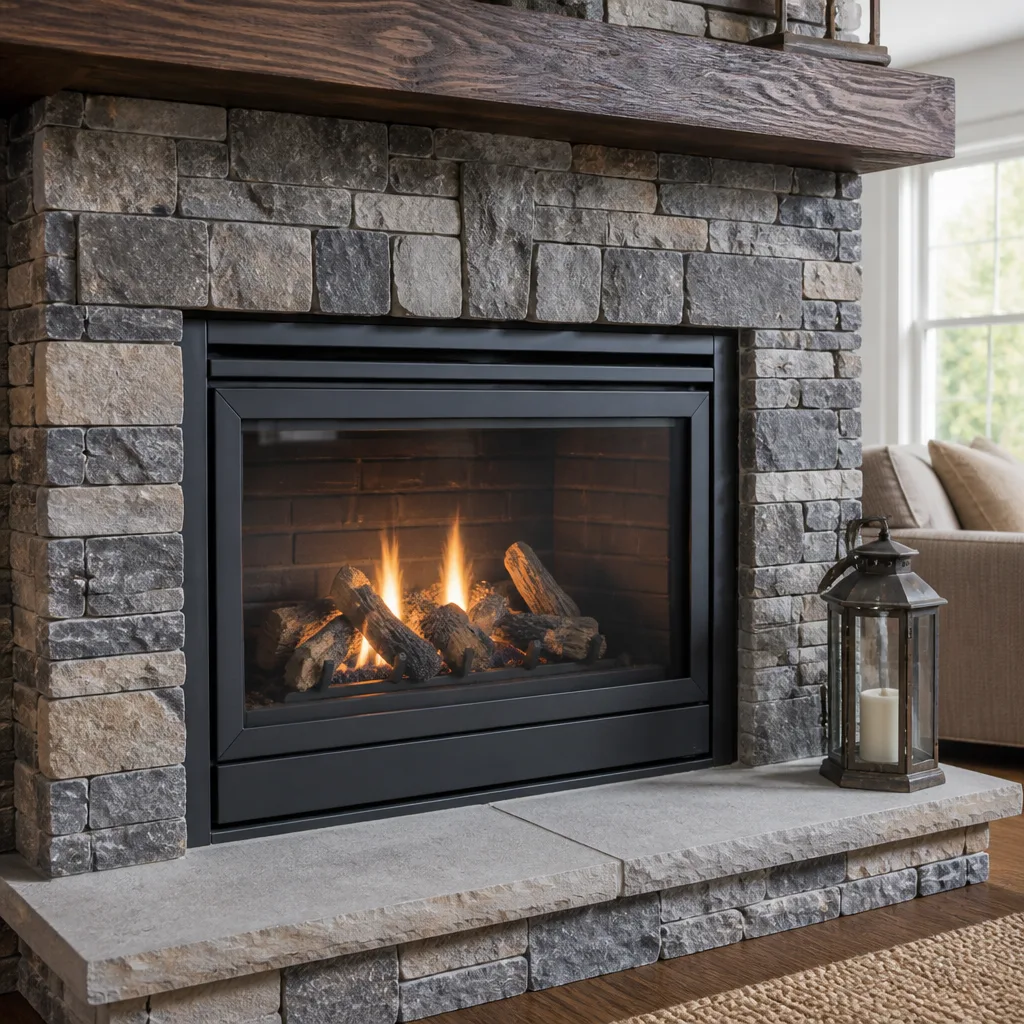 Gas fireplace service
Level 1 sweep and inspection to the NFPA 211 annual standard - flue, crown, cap, and flashing checked and photographed
Chimney sweep logs do not sweep chimneys. They loosen some creosote - which then falls where a brush and vacuum still have to collect it.
Chimney Cleaning Emergency Preparedness Guide for Parker Homes
Most Parker households have a storm plan. Batteries, water, a charged phone, a way to heat food if the power goes. Very few of those plans include the chimney. That’s backward. During Parker’s biggest winter storms, fireplace use climbs on the same day emergency services are stretched thinnest, so a chimney fire on a blizzard night is the worst possible moment to find out the flue hadn’t been cleaned in years. A fireplace is the one backup heat source that can quietly turn a power outage into a house fire or a carbon monoxide problem. This guide walks through how to certify your chimney before the cold hits, what three conditions make a fireplace unsafe as emergency heat, what to do mid-chimney fire, and how to inspect after a storm before you light another fire. Written from Parker, for Parker homes.
Quick Answer
Chimney emergency preparedness in Parker means getting the flue swept and inspected before storm season, not during it, so your fireplace is a safe backup heat source when the power fails. A certified sweep and a camera inspection before the first hard freeze confirm the flue is clear of creosote and the structure is sound, and a post-storm check confirms nothing changed. If your chimney hasn’t been cleaned since last season, book the sweep now and treat that inspection as the certification your emergency plan has been missing.
Styles & brands we work with
- Sweep & inspection
- Caps & crowns
- Flue relining
- Masonry repair
- Gas fireplace service
Table of Contents
- Why the Chimney Belongs in Your Emergency Plan
- The Parker Chimney Certification Timeline
- Three Chimney Conditions That Make a Fireplace Unsafe as Emergency Heat
- What to Do During an Active Chimney Fire
- Carbon Monoxide Risk During Extended Cold Snaps
- Post-Storm Inspection Checklist
- Using Your Fireplace During a Power Outage
- Keeping Chimney Records for the Long Haul
Why the Chimney Belongs in Your Emergency Plan
Emergency planning in Parker tends to focus on the things you can see and touch: water storage, a weather radio, a plan for the pets. The chimney sits behind the wall and gets skipped, even though it’s the one system in the house that handles fire and exhaust. When a storm knocks out power for hours, the fireplace stops being ambiance and becomes infrastructure. That shift is exactly when a neglected flue becomes dangerous.
Here’s the mismatch. A furnace is tested and serviced on a schedule. A fireplace gets used hard for a few months and then sits. Creosote builds up quietly through the burning season, and by the time you lean on the fireplace for backup heat, that deposit is at its thickest. Glazed creosote, the hard shiny kind that forms from slow smoldering fires, is the most flammable stage and the hardest to brush away. It’s also the stage most likely to be present in a chimney that hasn’t seen a brush in a couple of seasons.
A working chimney in the plan does three jobs at once. It exhausts smoke and combustion gases out of the living space. It gives you a heat source that doesn’t depend on the grid. And it keeps the structure of your home protected from the heat and moisture that come with fire and weather. From the firebox to the crown, every part of that path matters, and the weakest part sets the limit. That’s why a real certification is an inspection of the whole system, not just a look up the flue. We treat chimney inspection as the starting point for any recommendation, because we can’t tell you a fireplace is safe for emergency use until we’ve seen the whole thing.
One more thing that gets missed: a fireplace used as backup heat burns differently than one used for a cozy evening. People load it heavier, burn longer, and sometimes close the damper too far to stretch the wood. That’s a recipe for more creosote, not less. The way you run the fire during an outage matters as much as the condition of the flue going in.
The Parker Chimney Certification Timeline
The right time to certify a chimney is before you need it. In Parker, that means building the sweep and inspection into a calendar that runs ahead of storm season, not reacting after the first cold snap when everyone else is trying to book at once. Here’s a concrete sequence you can fold into your annual household emergency prep.
- Early fall (before the first freeze): Book the sweep and inspection. This is the certification step. The flue gets cleaned, the technician checks the firebox, damper, smoke chamber, liner, cap and crown, and you get a photo report of what was found. Get this on the calendar before the cold settles in, not after.
- Same visit: Have the cap and crown looked at closely. A missing or damaged cap lets water, birds and debris in. A cracked crown lets water into the masonry, and freeze-thaw cycles in a Parker winter turn a hairline crack into real damage. Cap and crown work is preventive, and it’s cheaper before the first snow than after.
- Before the storm window: Test the smoke and carbon monoxide alarms, confirm you have a working fire extinguisher rated for the fire you keep, and make sure everyone in the house knows where it is. Restock dry, seasoned firewood under cover so it isn’t wet when you need it.
- During storm season: Burn seasoned wood, keep fires hot enough to burn clean, and don’t overload the box to stretch a burn. Watch for the warning signs covered later in this guide.
- After any major storm: Run the post-storm inspection checklist before you light the next fire. Snow load, hail and wind can move a cap, crack a crown or drop debris down the flue.
- At season’s end: Note what you burned and roughly how much. That record helps a technician judge how often your specific fireplace needs sweeping.
Parker winters swing hard between mild days and deep cold, and that swing matters. A chimney that sees a lot of shoulder-season fires, the small inefficient ones, builds creosote faster than one run hot. If your household burns a lot of small fires, lean toward annual sweeping. If you burn hot and clean with seasoned wood, the inspection will tell you whether you can stretch the interval. Either way, the certification happens before the storm, so the decision isn’t made under pressure.
Our chimney sweep visits include the sweep and a look at the whole system, and you get a straight answer about what’s urgent and what can wait. That’s the certification your plan needs.
Three Chimney Conditions That Make a Fireplace Unsafe as Emergency Heat
Not every dirty chimney is a crisis, and not every clean-looking one is safe. Before you count on a fireplace as backup heat, three conditions matter most. You can spot the signs of each from the living room, even if only a professional can confirm and fix them.
1. Heavy or glazed creosote in the flue
Creosote is the residue of incomplete combustion, and it accumulates in stages. Soot and light flake are the early stages and brush away. The third stage, glazed creosote, is hard, shiny and dense, and it ignites at a lower temperature than the earlier stages. If you’ve had several seasons of smoky fires, or you’ve smelled a sharp, acrid odor when the fireplace is cold, that’s a sign to have the flue looked at. A professional sweep with the right tools and a camera inspection can tell you what stage you’re dealing with and whether chemical treatment or mechanical removal is needed.
2. A cracked or deteriorated liner
The liner is the pipe that carries smoke and gases up and out. A clay tile liner can crack from heat stress, from a previous chimney fire, or from moisture that froze and expanded. Once it’s cracked, gases can leak into the wall cavity or into the house, and heat can reach combustible framing. A camera inspection is the only reliable way to see the full length of the liner. If it’s damaged, there are real options. HeatShield resurfacing can restore a flue that’s still structurally sound without a full reline, and a professional-grade stainless liner like DuraFlex is the route when the existing liner is beyond resurfacing. The point is that you don’t guess; you inspect, then decide.
3. A blocked or compromised cap, crown, or flue opening
The top of the chimney takes the weather. A missing or loose cap lets water, debris, birds and snow straight into the flue. A cracked crown lets water soak into the masonry, and in a place with real freeze-thaw swings, that water does its worst. A blocked flue is a carbon monoxide path into the house, and it’s the kind of thing you can’t see from the hearth. If the cap is gone or the crown is cracked, treat the fireplace as out of service for backup use until it’s fixed. Gelco and Famco caps are purpose-made for this, not hardware-store covers, and cap and crown work is the leading preventive fix for chimney water damage.
If none of these three conditions is present and the inspection is clean, your fireplace can do its job as emergency heat. If any one of them is, you now know before the storm instead of during it.
What to Do During an Active Chimney Fire
A chimney fire is a fire in the flue, often fed by creosote. You may hear a low roar or a cracking, popping sound, see dense smoke or flames at the top of the chimney, or feel the stovepipe or chimney get unusually hot. The correct sequence protects the people in the house first and gives the fire department the best chance to finish the job. This is general guidance, not a substitute for calling 911, and it’s not a set of steps to attempt repairs yourself.
- Get everyone out and call 911. If there are flames, heavy smoke, or you suspect a chimney fire, evacuate the house and call the fire department. Don’t wait to confirm what you’re seeing. A chimney fire can spread into the structure faster than you’d expect.
- Close the firebox doors or the stove door if you can do it safely on your way out. Cutting off air to the fire inside slows it. Don’t reach into the firebox and don’t try to fight it with water from inside.
- Don’t pour water down the chimney. Water on a hot flue can crack masonry and send steam and soot back into the room. Leave the firefighting to the fire department.
- Get clear of the house and stay out until the fire department says it’s safe. Don’t re-enter for belongings.
- Afterward, don’t relight. A chimney fire can leave the liner cracked and the flue full of creosote and debris. Call a chimney professional for an inspection before any fire is lit again. The structural damage isn’t always visible, and the next fire could be worse.
One thing that surprises people: a slow, smoldering chimney fire can go almost unnoticed, with little sound and only a smell. If you smell a strong, hot, tar-like odor and the flue seems unusually warm, treat it as a possible fire and act. The fire department would rather be called for a false alarm than arrive after a fire has moved into the walls.
For a chimney fire that’s been put out, a full inspection comes before any repair recommendation. Our chimney repair work starts with a camera look at the whole flue and the firebox, so a post-fire assessment is based on what the camera shows, not on a guess.
Carbon Monoxide Risk During Extended Cold Snaps
Carbon monoxide is the risk that doesn’t announce itself. It’s a colorless, odorless gas produced by any fuel-burning appliance, and a fireplace or wood stove is one of them. During a long cold snap, people burn more and burn longer, and a chimney problem that was harmless in a short fire can become a real CO path when the appliance runs for hours. The chimney is the vent, and a vent that’s blocked, cracked, or undersized lets combustion gases into the living space instead of up and out.
Chimney condition affects CO infiltration in several specific ways. A blocked flue, from a bird’s nest, a collapsed liner tile or a heavy creosote load, forces gases back into the room. A cracked liner lets gases leak into the wall cavity and then into rooms that have no fireplace at all. A damaged cap or a flue that’s too short for the appliance can cause backdrafting, where smoke and CO get pushed down instead of drawn up, especially on windy Parker days. Each of these is invisible from the hearth.
- Install and test CO alarms. Put one on each level of the home and near sleeping areas. Test them before storm season and again mid-season. This is the single most important non-chimney step.
- Watch for the symptoms. Headaches, dizziness, nausea, drowsiness and confusion that come on when the fireplace is running and clear up when you’re outside are warning signs. Get everyone outside and call for help.
- Keep the flue clear and the damper open. Don’t close the damper until the fire is fully out and the flue has cooled. Don’t run a fire in a fireplace the inspection flagged.
- Get the inspection before the cold. A camera inspection is how you know the liner and flue are intact before you depend on them for hours of burn. That’s the whole case for certifying the chimney in fall.
This is where a professional-grade product line matters. When a liner is damaged, the fix isn’t a patch from a hardware-store kit. It’s an engineered liner or resurfacing method matched to the flue. HeatShield resurfacing can restore a sound-but-roughened flue, and a DuraFlex liner is the answer when the existing liner has failed. The choice comes from the inspection, not from a sales pitch.
Post-Storm Inspection Checklist
A big Parker snowstorm or hailstorm can change the chimney even if the fire never burned. Before you resume fireplace use after a major storm, look over the whole system. This is a homeowner-level check, and anything that looks wrong is a call to a professional. Here’s the checklist.
- Look at the cap from the ground. Is it still on, still level, and intact? A missing or knocked-loose cap needs attention before the next fire, because it’s a clear path for water and debris into the flue.
- Check the crown. The crown is the concrete or masonry top that sheds water away from the flue. Cracks, spalling or a crown that’s separated from the flue are signs water is getting in. Hail can bruise a crown and freeze-thaw finishes the job.
- Look for masonry damage. Missing mortar joints, loose bricks, or a chimney that leans are structural signals. Don’t ignore them because they’re at the top of the house and hard to reach.
- Check for water inside. Damp creosote smell, rust on the firebox or damper, or water stains on the masonry around the hearth suggest the chimney took on water during the storm. That means the cap or crown failed.
- Confirm the flue isn’t blocked. A snow cap or debris can close the flue at the top. Before you light a fire, have the flue checked the way a sweep would, or book an inspection if you’re not sure.
- Inspect the firebox and damper. The damper should open and close fully, and the firebox masonry should be sound. A damper stuck partway is a smoke and CO problem waiting to happen.
After a storm that drops heavy snow or sends hail, this list takes ten minutes from the ground and prevents the worst kind of surprise. If anything on the list looks off, that’s when to call. Our chimney repair work covers caps, crowns, masonry and liner issues, and we inspect before recommending, so the fix is matched to the actual damage. A cap and crown in good shape is the front line against storm water damage; it’s cheaper than the masonry repair that follows a failed crown.
Using Your Fireplace During a Power Outage
A fireplace is a good backup heat source, but it behaves differently when the house is cold and the grid is down. A few habits make the difference between a safe fire and a problem. None of them replace the inspection; they’re what you do once the chimney is certified and the night is cold.
Burn seasoned wood, meaning wood that’s been split and dried long enough to burn hot and clean. Wet or green wood smolders, and smoldering is what lays down creosote. Keep the fire hot enough to burn efficiently; a small, smoldering fire is harder on the flue than a moderate, well-ventilated one. Don’t overload the firebox to stretch the burn, and don’t close the damper down so far that smoke backs into the room. If smoke enters the room, stop and open the damper fully; a fire that won’t draw is a sign of a flue problem, not a wood problem.
Keep the area around the hearth clear, and don’t use a fireplace for heat if the inspection flagged a liner, cap or crown problem. A fireplace that’s out of service for backup use is a fireplace you use some other way, not one you gamble with. And during a multi-day outage, check the CO alarms and watch for the symptoms described above. The longer the appliance runs, the more hours there are for a small vent problem to matter.
If you’re uncertain whether your fireplace is ready for outage use, that’s an inspection question. We answer 24/7, and a sweep booked ahead of the storm is the plan.
Keeping Chimney Records for the Long Haul
Chimney care is a long game, and the households that fare best are the ones that keep a simple record. A folder or a note on the phone with the date of each sweep and inspection, what was found, what was repaired and with what products, makes every future decision easier. When a technician can see that the cap was replaced and the liner resurfaced with HeatShield last time, the next recommendation is grounded in fact, not in guesswork.
Keep receipts for major work like a new liner or a crown replacement. If you ever sell the house, a documented chimney history is a real asset, and it answers the buyer’s inspection questions before they come up. It also tells you when the next sweep is due, so you’re never caught with an unclean flue the week a storm hits.
Your record is also your protection against unnecessary work. When you can see the camera photos from the last inspection, any new recommendation has a baseline to compare against. That’s the standard we hold to: nothing is recommended without camera evidence you’ve seen yourself, and we’ll tell you plainly when work can wait. A chimney system maintained from the firebox to the crown, across seasons, is how you keep a fireplace ready without spending more than the chimney actually needs.
Common Mistakes to Avoid
- Leaving the chimney out of the emergency plan. Batteries and water get stocked, but the one system that handles fire and exhaust gets skipped. Put the sweep and inspection in the same prep list as the storm kit, before the first freeze in Parker.
- Waiting for the first cold snap to book. The week the first storm hits is the worst time to call, because everyone else is calling too. Certify in early fall and you’re not competing for the appointment when the forecast turns.
- Assuming a clean firebox means a clean flue. Ash and soot in the firebox say nothing about creosote in the flue or cracks in the liner. The camera look is what tells the real story, and a hearth-only visual is no certification.
- Burning green or wet wood to stretch a storm supply. Smoldering wood lays down more creosote than dry wood, so a woodpile stored uncovered and wet is a hidden cause of chimney problems. Keep the wood covered and seasoned.
- Ignoring the cap and crown until they fail. A loose cap or cracked crown is easy to see from the ground and is the leading cause of chimney water damage. Fix it before the freeze-thaw cycle turns a crack into masonry repair.
- Relighting after a chimney fire without an inspection. A fire can leave the liner cracked and the flue debris-filled, and the damage isn’t always visible. The next fire should follow an inspection, not precede one.
- Skipping CO alarms because the fireplace “seems fine.” CO has no smell and no color, and a sound-looking firebox can hide a liner problem. Alarms on every level are the backstop that doesn’t depend on what you can see.
See the difference
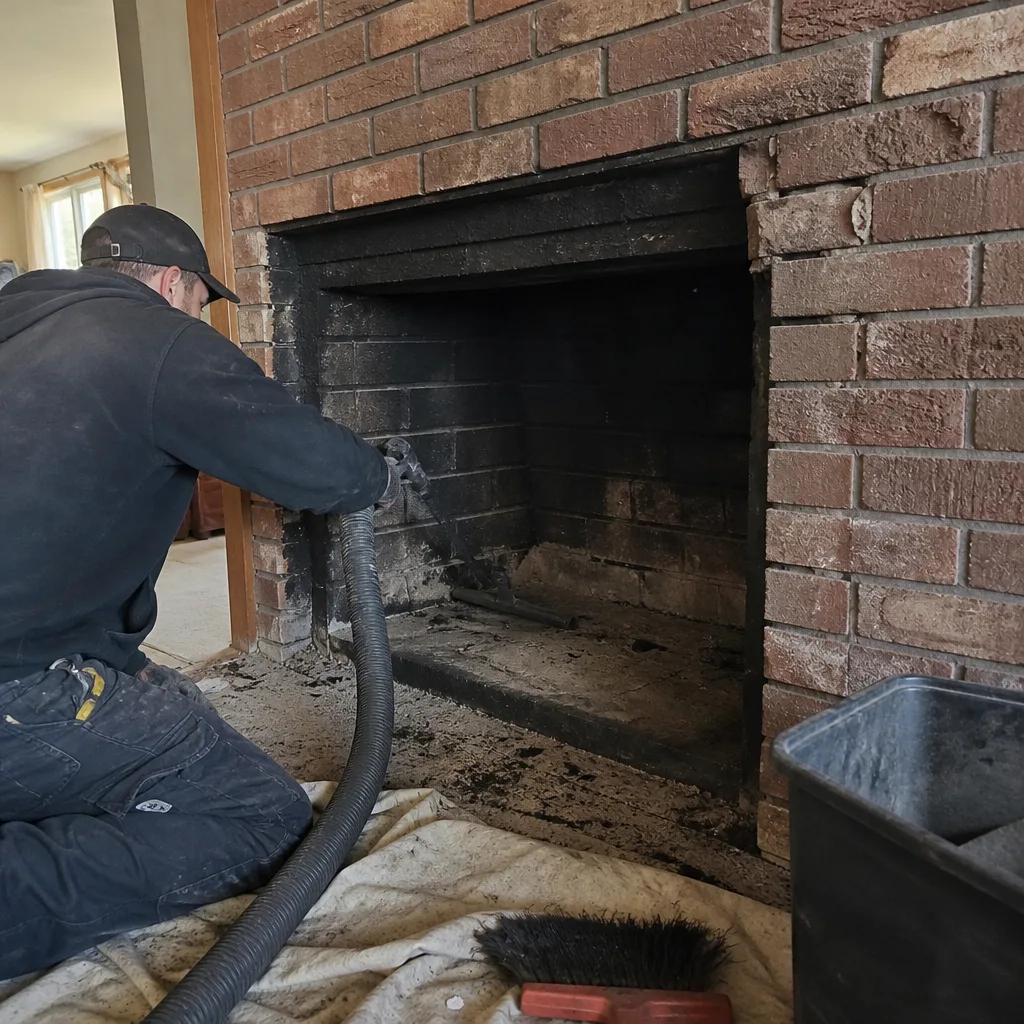 Before
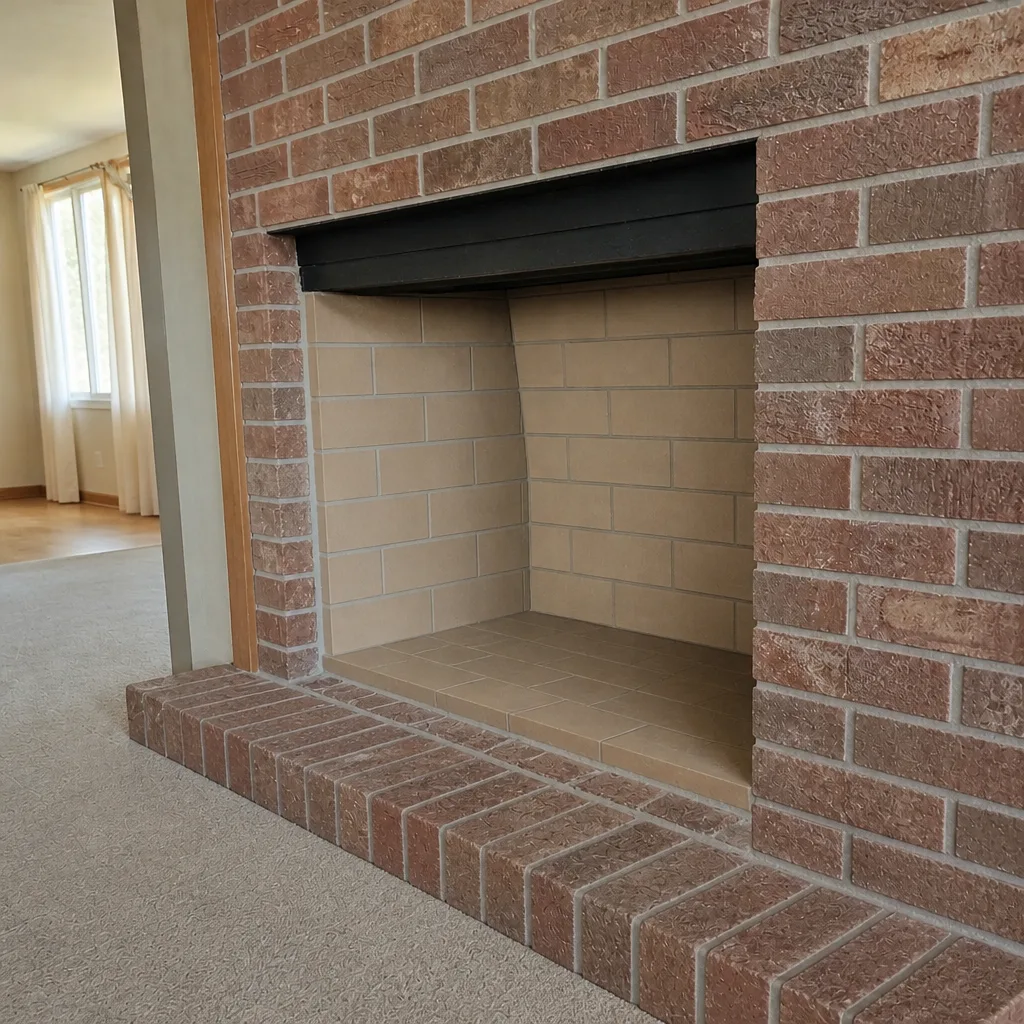 After
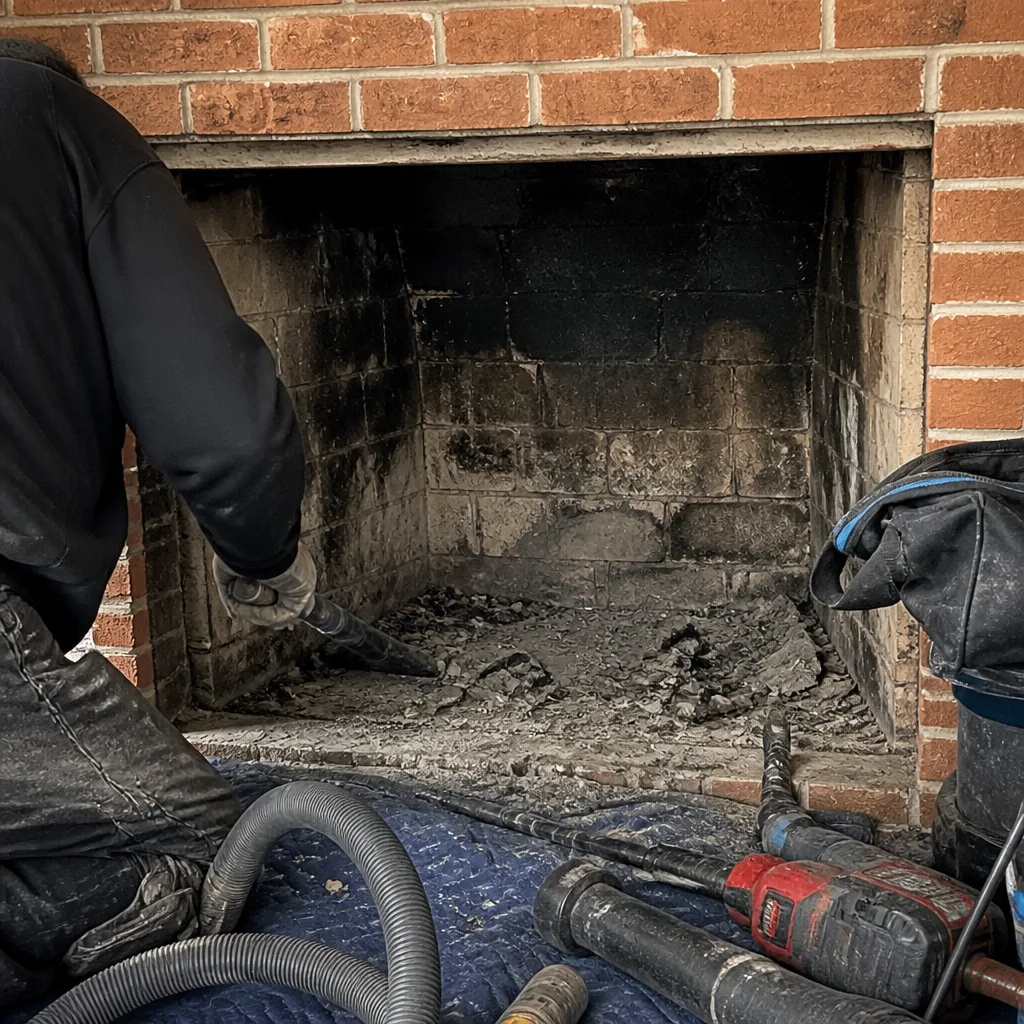 Before
 After
 Before
 After
When to Call a Professional
Some chimney issues are obvious and urgent. Call a professional if you’ve noticed a sharp, hot smell when the fireplace is cold, if you’ve heard roaring or popping from the flue, if smoke enters the room when the damper is open, if there’s rust or water staining around the firebox, if the cap or crown is damaged, or if the chimney hasn’t been inspected in a couple of seasons and you plan to use it for backup heat. Call right away if a CO alarm sounds. For these situations and for the annual certification itself, Parker Chimney Sweep offers free estimates in Parker. Call (844) 443-4897.
Frequently Asked Questions
Most wood-burning chimneys need sweeping once a year, and that’s the common guidance for a household that burns regularly. If you burn heavily or use the fireplace as backup heat during outages, or if the inspection shows a fast creosote buildup, the interval may be shorter. The inspection tells you which applies to your flue, and it’s why we inspect before recommending. Call (844) 443-4897 for an exact quote; estimates are free.
Yes, if the chimney has been inspected and cleared for use and the cap and crown are intact. The condition of the flue is what makes the difference, so certify the chimney before the storm and burn seasoned wood, keep the fire well ventilated, and keep CO alarms working. If the inspection flagged any issue, don’t use the fireplace for backup heat until it’s resolved. Call (844) 443-4897 to book the inspection.
A chimney fire often sounds like a low roar or cracking and popping, and you may see dense smoke or flames at the top of the chimney. It can also be quiet, with only a strong tar-like smell. If you suspect one, evacuate and call 911. Afterward, don’t relight until a professional has inspected the flue. Call (844) 443-4897 for that inspection; estimates are free.
Yes. A blocked flue, a cracked liner, or a damaged cap can let carbon monoxide into the living space instead of venting it outside, and the risk rises during long winter burns when the fireplace runs for hours. That’s why the inspection and working CO alarms belong in the same plan. Call (844) 443-4897 to schedule an inspection before the cold sets in.
Look at the cap and crown from the ground, check for masonry damage and water stains, and confirm the flue isn’t blocked before you light a fire. A cap that’s missing or a crown that’s cracked means water is getting in, and freeze-thaw does the rest. If anything looks off, call. Reach us at (844) 443-4897; estimates are free.
A professional sweep is the right call for the certification, because it includes a camera inspection of the whole system that a homeowner can’t do safely or thoroughly. Creosote, liner condition, and cap and crown damage need trained eyes and the right tools, and safety matters most. Book a sweep with inspections included by calling (844) 443-4897.
The Bottom Line
The chimney is the home system most likely to be left out of an emergency plan and most likely to matter when the power fails. Certify it before storm season: sweep, camera inspection, and a close look at the cap and crown, all done in early fall so the decision isn’t made during a blizzard. Know the three conditions that make a fireplace unsafe for backup heat, keep CO alarms working, and learn the correct sequence if a chimney fire starts, which is evacuate and call 911. After any big storm, run the post-storm checklist before you light the next fire. A Parker home with a certified chimney is ready for the season; one without is guessing. Book the certification before the first freeze.
If your chimney hasn’t been inspected this season, now is the time. Parker Chimney Sweep handles the whole system from the firebox to the crown: sweeping, inspection, liner work with products like HeatShield and DuraFlex, and cap and crown installation with Gelco and Famco caps. We inspect before we repair, and we’ll tell you plainly when work can wait. You can also read more about our full range of services on our Parker Chimney Sweep page, and if the firebox or damper needs attention, our fireplace repair service covers that too. Call (844) 443-4897 for a free estimate. We answer 24/7. Fast dispatch from 7am to 7pm, Sunday through Friday. Our technicians have up to 8 years of experience, and estimates are free.
Written by the team at Parker Chimney Sweep.