
Last updated November 23, 2026
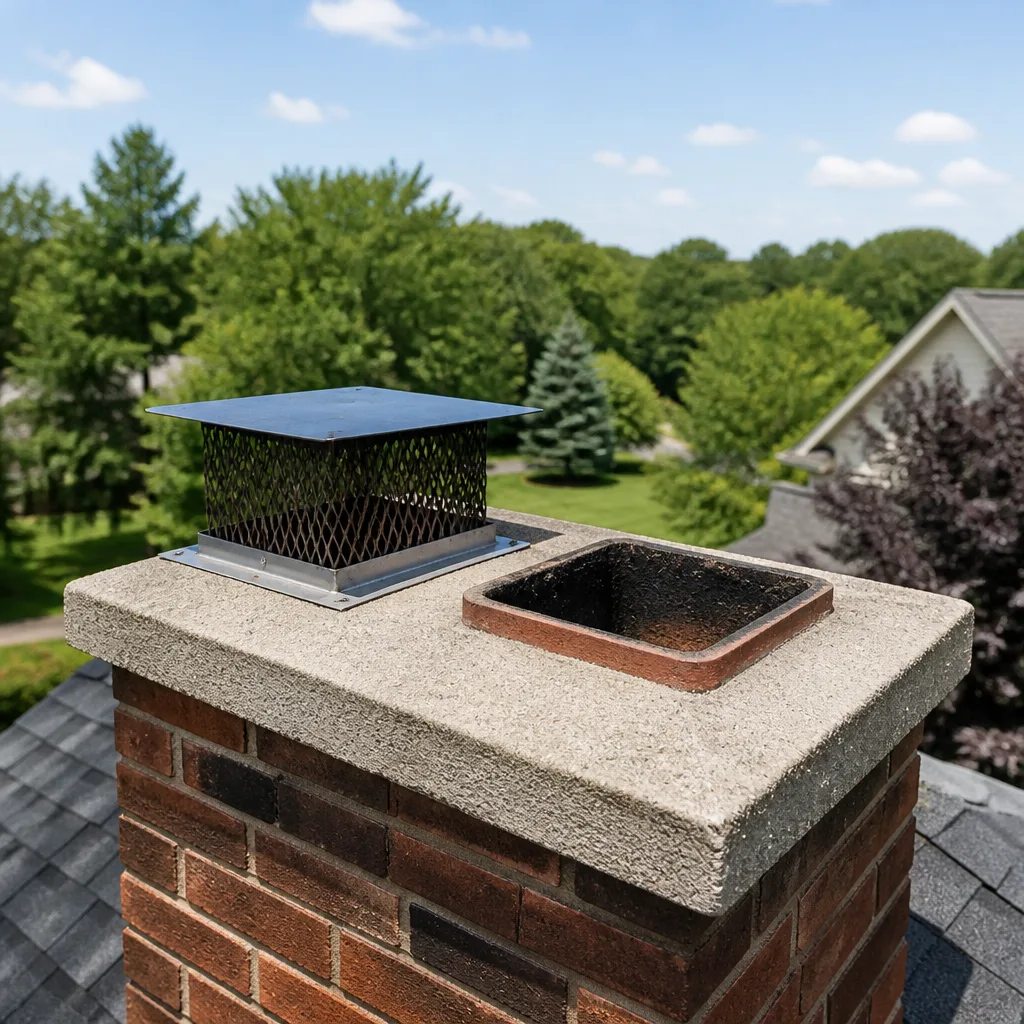 Sweep & inspection
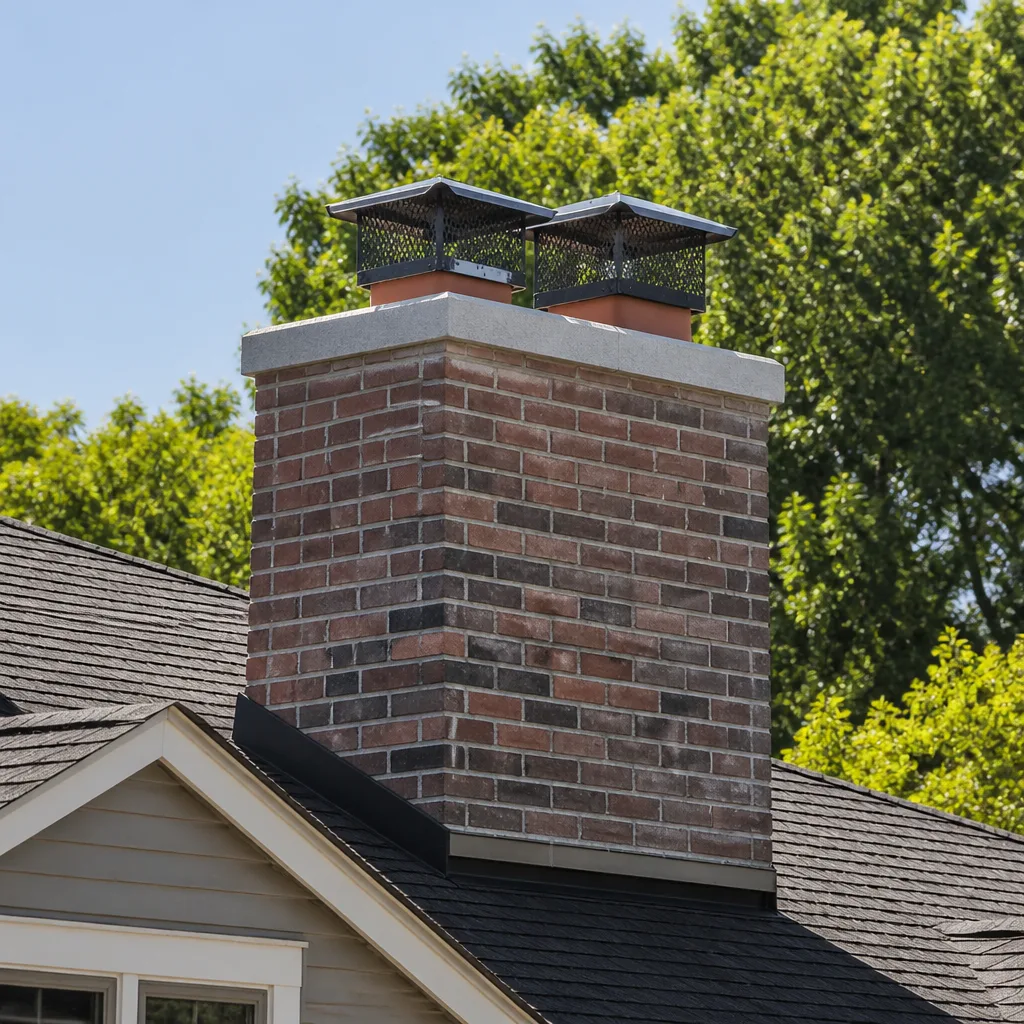 Caps & crowns
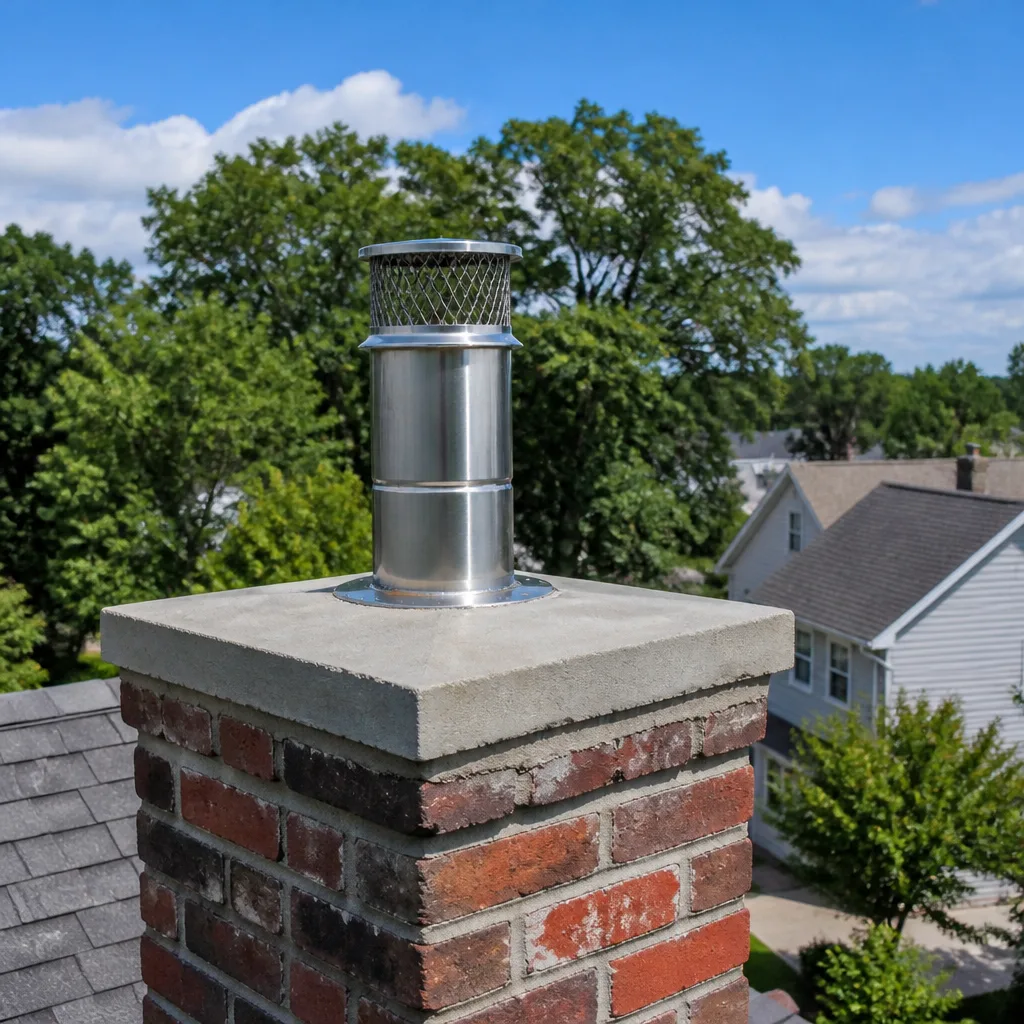 Flue relining
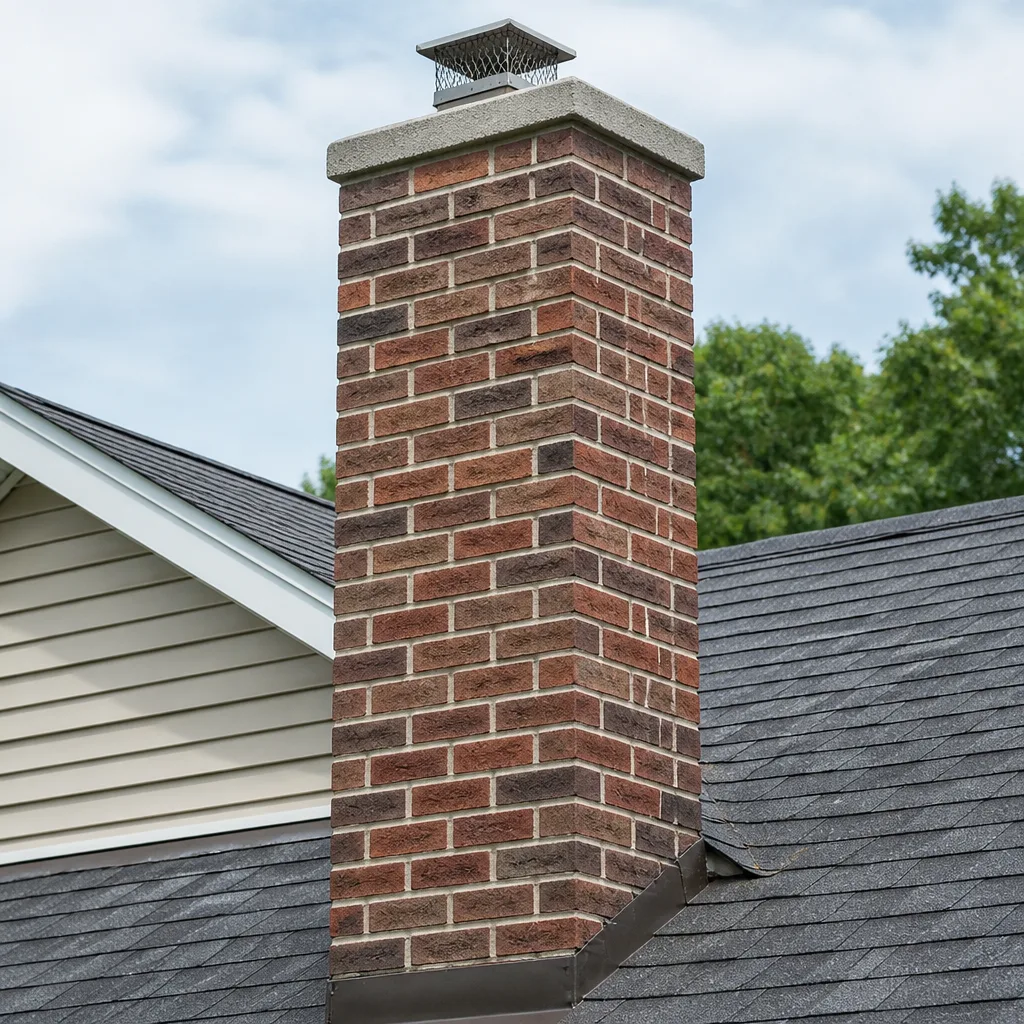 Masonry repair
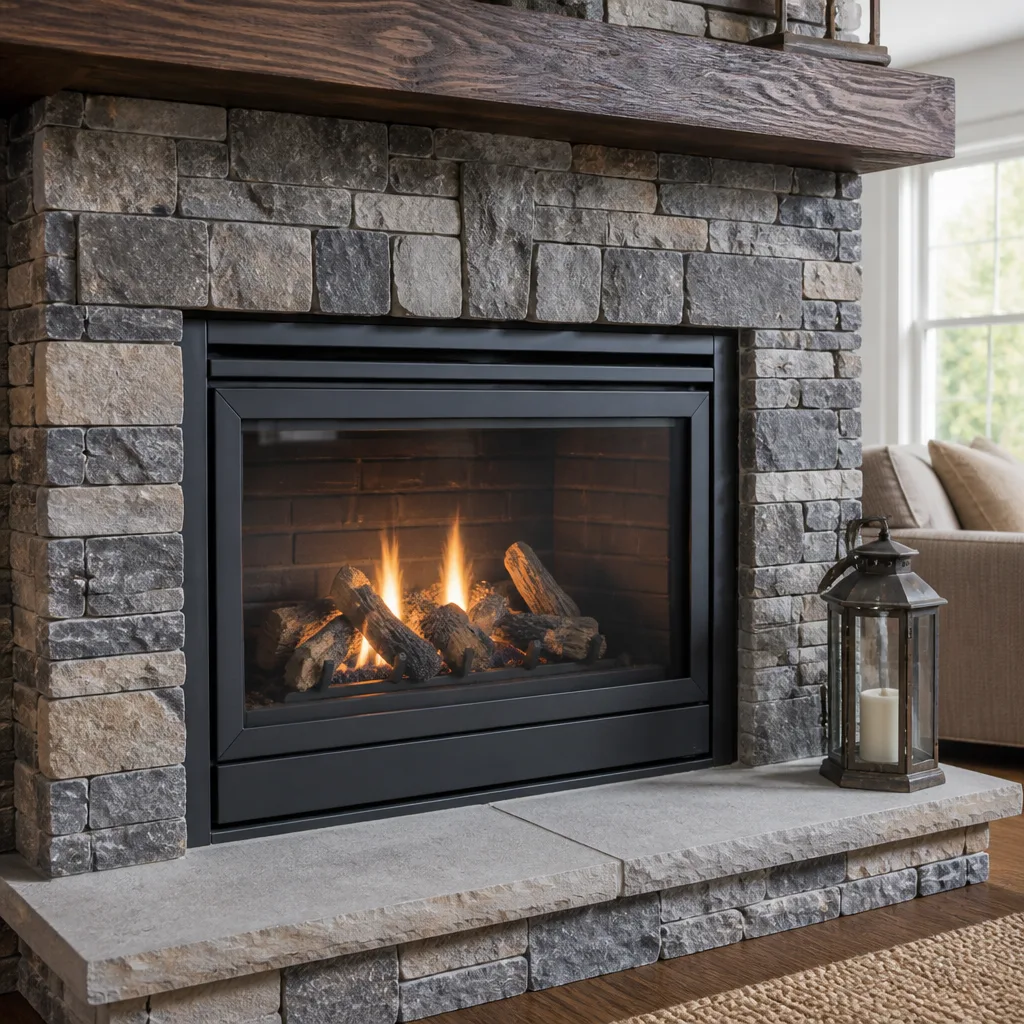 Gas fireplace service
Level 1 sweep and inspection to the NFPA 211 annual standard - flue, crown, cap, and flashing checked and photographed
Chimney sweep logs do not sweep chimneys. They loosen some creosote - which then falls where a brush and vacuum still have to collect it.
Chimney Cleaning Cost Breakdown: The Parker Homeowner’s Reference for 2026
The $99 chimney cleaning coupon that shows up in Parker mailboxes every fall typically covers exactly one thing: a brush pass through the flue. The inspection, the report, the cap check, and the disposal are either add-ons or simply not done. That’s not a knock on the coupon itself, but it explains why a Parker homeowner can pay $99 one year and $450 the next for what sounds like the same service. The price spread you see in this market isn’t random. It reflects real differences in what’s being done, what materials are used, and what liability the contractor is assuming. This guide decodes what Parker homeowners are actually paying for in 2026, line item by line item, so you can read a quote with confidence and spot the difference between a genuine bargain and a job that quietly skips the parts that matter.
Quick Answer
Chimney cleaning in Parker costs between roughly $99 for a brush-only pass and $450 or more for a full-service visit that includes a Level 1 inspection, a written report, cap and crown checks, and proper disposal. A standard, properly scoped annual cleaning for a wood-burning fireplace in Douglas County typically runs $250 to $350. The final price is set per job by a written estimate, and the biggest cost drivers are creosote stage, flue accessibility, and whether the visit includes inspection documentation.
Styles & brands we work with
- Sweep & inspection
- Caps & crowns
- Flue relining
- Masonry repair
- Gas fireplace service
Table of Contents
- What a Full-Service Chimney Cleaning in Parker Actually Includes
- 2026 Price Ranges by Service Tier in Douglas County
- How Creosote Stage Changes the Cleaning Method and the Cost
- What Drives Cost Variation Beyond Company Markup
- The Hidden Cost of Deferring Cleaning in Parker’s Climate
- Cost Red Flags: Suspiciously Low Quotes and Legitimate Higher Ones
- How to Read a Chimney Cleaning Quote, Step by Step
- Frequently Asked Questions
What a Full-Service Chimney Cleaning in Parker Actually Includes
A full-service chimney cleaning includes six distinct components, and the price you’re quoted tells you how many of them you’re getting. The cleaning itself is only one of them. When Parker homeowners call us confused about why one quote is $150 and another is $320, the answer is almost always scope, not greed.
Here’s what a properly scoped cleaning visit should contain:
- Pre-cleaning assessment. The technician looks at the firebox, damper, smoke chamber, and flue before any brush goes in, to identify blockages, cracks, or animal nests that could make a standard sweep dangerous or ineffective.
- The sweep itself. A rotary or hand brush through the full flue length, matched to the flue’s material and dimensions. A brush that doesn’t fit the flue either misses deposits or damages tiles.
- Creosote removal and treatment. Stage-two and stage-three deposits need chemical treatment or rotary agitation. This is where the time and material cost lives.
- Level 1 inspection. Consistent with NFPA 211 practices, this is a visual check of the accessible portions of the chimney, connector, and firebox. It’s the difference between cleaning and diagnosing.
- Written report. Findings documented in writing, with photos or notes, so you own the information and can compare it to future visits.
- Cap, crown, and exterior check. One look at the top of the chimney tells you whether water has a path in. Skipping it means problems that start as a $200 cap replacement become masonry work.
A brush-only $99 visit typically omits the inspection, the report, and the exterior check. That’s not a scam, it’s a smaller job. But it’s also not the same product, and treating the two quotes as comparable is the single most common pricing mistake we see in Parker. Our own chimney sweep visits are built around all six components because the inspection is what tells you whether you need anything beyond a cleaning at all.
2026 Price Ranges by Service Tier in Douglas County
Douglas County homeowners see three broad tiers of chimney service in 2026, and each one answers a different question. The table below outlines typical ranges. All figures are estimates, and the written estimate you receive is what sets the final price.
| Service Tier | What’s Included | Typical 2026 Range |
|---|---|---|
| Brush-only cleaning | Flue sweep, light firebox cleanup, no report | $99 – $165 |
| Standard annual cleaning | Sweep, Level 1 inspection, written findings, cap and crown check, disposal | $250 – $350 |
| Heavy or staged cleaning | Same as standard plus chemical treatment or rotary work for stage-two or stage-three creosote | $350 – $450+ |
Gas fireplace service sits at the lower end of the standard range when only the firebox and venting need attention, and a bit higher when the logs and burner assembly need cleaning. Wood-burning inserts and freestanding stoves push toward the upper end because the flue path is longer and less accessible. Homes with two flues get quoted per flue, so a two-chimney house in the Pinery or Canterberry Crossing should expect a number closer to double a single-flue cleaning.
These ranges aren’t a menu you can simply pick from. A technician who inspects before quoting is doing it right, and that’s the order we work in. If you’re comparing quotes, ask each company which of the six components above they include and whether the inspection is written up. Two quotes at the same price can be very different products.
How Creosote Stage Changes the Cleaning Method and the Cost
Creosote is the residue left behind by wood smoke, and it forms in three distinct stages. Each stage requires a different cleaning method, a different amount of time, and a different level of safety precaution. This is the single biggest reason two Parker homes with similar chimneys can see very different cleaning quotes.
Stage One: Soot and Flaky Deposits
Stage-one creosote is light, dusty, and comes off with a standard brush pass. This is the cleaning you get when you’ve burned well-seasoned wood and had the chimney swept on a reasonable schedule. It’s the fastest and least expensive job, usually landing at the low end of the standard range.
Stage Two: Crusty, Brittle Deposits
Stage-two creosote is harder, flakier, and bonded to the flue surface. A standard brush will remove some of it but not all. A technician will typically use a rotary brush or a chemical treatment to break it loose. Expect a longer visit and a price in the upper part of the standard range or into heavy-clean territory.
Stage Three: Glazed, Hardened Deposits
Stage-three creosote is a shiny, hardened shell that fuses with the flue tile. It doesn’t yield to a brush at all. Removal requires chemical treatment designed to soften the deposit over time, sometimes followed by rotary agitation, and occasionally a follow-up visit. This is the stage that most raises fire risk, and it’s the stage that pushes cleaning into the $400-and-up band. In our experience, stage-three deposits are most common in Parker homes that burn heavily through the winter and haven’t had the flue swept in several seasons. If a technician tells you a chemical treatment is needed, ask to see the flue camera footage before agreeing. A real diagnosis shows you the deposit, not just describes it.
What Drives Cost Variation Beyond Company Markup
When Parker homeowners compare quotes, the instinct is to assume the difference is markup. Most of the time it isn’t. Here’s what actually moves the price in this market:
- Flue configuration. A straight vertical flue sweeps quickly. An offset, an elbow, or a long horizontal run takes more time and more tooling. Ranch homes with straight flues near Mainstreet tend to quote lower than older two-story homes with complex chases.
- Access to the roof. Steep pitches, high roofs, or chimneys set back from the ridge require proper ladder and fall protection setup. That’s time and equipment, and it’s not optional for a safe job.
- Fireplace type. A traditional open masonry fireplace is the simplest. A wood insert, freestanding stove, or factory-built unit adds disassembly and reassembly steps.
- Inspection depth. A Level 1 visual inspection is included in a standard cleaning. A Level 2 inspection with video scanning is a separate, more involved service, and it’s the right call after a chimney fire, a change in the system, or a home sale.
- Liner condition. If the flue tiles are cracked or spalling, the technician has to note it and possibly stop the sweep to talk through options. We use HeatShield resurfacing to restore damaged flue tiles when replacement isn’t necessary, and that capability is one reason a full-system company can quote and complete a visit differently than a sweep-only outfit.
- Material disposal. Proper disposal of soot and creosote is a real cost. A cut-rate quote that waves it off is either burying it elsewhere or not cleaning thoroughly enough to produce much waste.
Parker’s climate adds one more factor: the long dry stretches, punctuated by real snow, mean moisture cycles on the exterior masonry. That’s a cap and crown issue more than a cleaning one, but a full-service visit catches it. Products like Gelco caps or Olympia Chimney components are purpose-built for that protective role, and when a technician points to a failing cap during a cleaning, that’s not an upsell, it’s the inspection doing its job.
The Hidden Cost of Deferring Cleaning in Parker’s Climate
Skipping a year of cleaning saves you roughly $250. It can open the door to $1,800 to $8,000 in repair work. That gap is the entire financial case for annual service, and it plays out in specific, predictable ways in Parker.
Here’s how the math usually unwinds:
- The flue builds creosote. Each season of burning adds a layer. Stage one becomes stage two becomes stage three, and the cost of cleaning rises with each stage.
- A chimney fire happens or doesn’t. Glazed creosote is the fuel source. A chimney fire can crack flue tiles, warp a liner, and damage the smoke chamber. We’re not in the business of scare-selling, but the risk is real and it’s why stage-three deposits get flagged immediately.
- Moisture gets in through a failed cap or crown. The freeze-thaw cycles along the Front Range work on any crack in the crown. Water enters, freezes, expands, and the masonry spalls. What started as a $200 crown repair turns into a rebuild.
- Carbon monoxide has a path. A cracked flue tile or a blocked flue can let combustion gases into the home instead of up and out. This is the reason a properly scoped inspection belongs in every visit.
- Small repairs become big ones. A damaged flue tile that could be resurfaced becomes a full reline. A failing crown that could be replaced becomes reconstructed masonry.
In our experience around Parker, the homes that see the biggest deferred-maintenance bills are the ones that burned heavily for several winters and never had the flue looked at. A $250 annual cleaning with inspection is the cheapest insurance in the house, and it’s not close. If a technician tells you nothing needs doing this year, that’s the value of the visit delivering itself.
Cost Red Flags: Suspiciously Low Quotes and Legitimate Higher Ones
Cost red flags run in both directions. A quote that’s too low usually signals something was left out, and a quote that’s higher than you expected is often justified. Knowing which is which keeps you from paying for the wrong thing.
Low-Quote Red Flags
- No inspection mentioned. A price for “sweeping only” that doesn’t include a visual assessment is a partial service. You won’t know what shape your flue is in when it’s done.
- No written report. If the findings aren’t documented, you have no baseline for next year and no way to verify a future technician’s claims.
- Price quoted before the technician sees the chimney. A real quote considers flue size, creosote stage, and access. A phone quote that never changes is usually a phone quote that never gets adjusted when the job turns out bigger.
- No mention of disposal or drop cloths. Proper containment and cleanup are part of the job, and they cost the contractor something.
- Vague on materials. If a technician can’t tell you what brand of cap or liner they’d install, they may be planning to use whatever’s on hand.
Legitimate Reasons a Quote Runs Higher
- Stage-two or stage-three creosote. Chemical treatment and rotary work cost more because they take longer and use specialized products.
- Multiple flues or a complex system. Two flues means two cleanings.
- Insert or stove removal. Disassembling and reassembling a wood insert adds time.
- Access challenges. Steep roof, high chimney, or a chase that requires special equipment.
- Inspection findings. If the technician spots a cracked crown or a failing cap mid-visit, the estimate for the repair is a separate line, and it should come with a photo or video you can look at yourself.
The reader’s real hesitation, whenever we talk to a Parker homeowner after a big quote, is being told they need thousands of dollars of liner or masonry work they have no way to verify. Our answer is simple: nothing is recommended without camera evidence you can see for yourself, and we’ll say plainly when work can safely wait. If a technician can’t show you the problem, don’t pay to fix it yet.
How to Read a Chimney Cleaning Quote, Step by Step
Reading a quote well is the skill that saves Parker homeowners the most money over time. Here’s the sequence we’d recommend.
- Read the scope, not the price, first. Confirm the quote names sweeping, Level 1 inspection, written report, cap and crown check, and disposal as included items.
- Check whether creosote stage is mentioned. A quote that doesn’t know the stage yet is technically a pre-inspection estimate, and it’s fine to say so, but the final price should be adjusted after the technician looks.
- Confirm what happens if something’s found. Ask whether the quote covers a repair estimate if a cracked crown or failing cap turns up, and whether that estimate includes photos.
- Ask which materials they’d use if a repair is needed. A professional full-system company works with product lines like HeatShield for flue resurfacing and Gelco or Famco for caps. If they can’t name what they install, ask why.
- Ask whether the price is final or an estimate. Ours is an estimate, and the written estimate after the technician’s review sets the final price. Any reputable company should be clear about this.
- Compare like with like. Put the six components from the first section next to each other across every quote. The lowest price wins only when the scope matches.
- Ask what they’d tell you to skip. A technician who’s willing to say “nothing needs doing this year” is telling you something about the rest of the quote.
A quote you can read this way stops being a number and starts being a description of a job. That’s the whole point of an inspection-first approach. If a company in Parker quotes you a repair without showing you the evidence behind it, that’s the moment to slow down. Our chimney repair estimates always start with the inspection finding, because the diagnosis is what tells you the size of the job.
Common Mistakes to Avoid
- Treating a $99 coupon and a $300 full-service quote as the same job. They’re different scopes. Compare components, not just prices, or you’ll end up paying twice.
- Booking the cheapest quote without confirming it includes an inspection. A cleaning without a diagnosis is just a brush. You’ll know the flue is cleaner but not whether it’s safe.
- Waiting until the first cold snap to call. The fall rush in Parker means schedules fill quickly. Booking a sweep before burning season is a better plan than calling during the first freeze.
- Assuming a higher quote is an upsell and a lower one is fair. The higher quote may be the one doing stage-two or stage-three removal. Read the scope.
- Ignoring a cap or crown problem pointed out during the sweep. Front Range freeze-thaw cycles turn a small crack into a masonry problem in a season or two. Fixing it early keeps the cost in the hundreds rather than the thousands.
- Burning unseasoned wood to stretch a cord. Wet wood builds creosote faster and can take a stage-one flue straight to stage two between cleanings. Dry, seasoned hardwood matters as much as scheduling.
- Never getting a written report. Without a baseline, you can’t compare year to year, and you lose the ability to hold future technicians accountable to what was actually found.
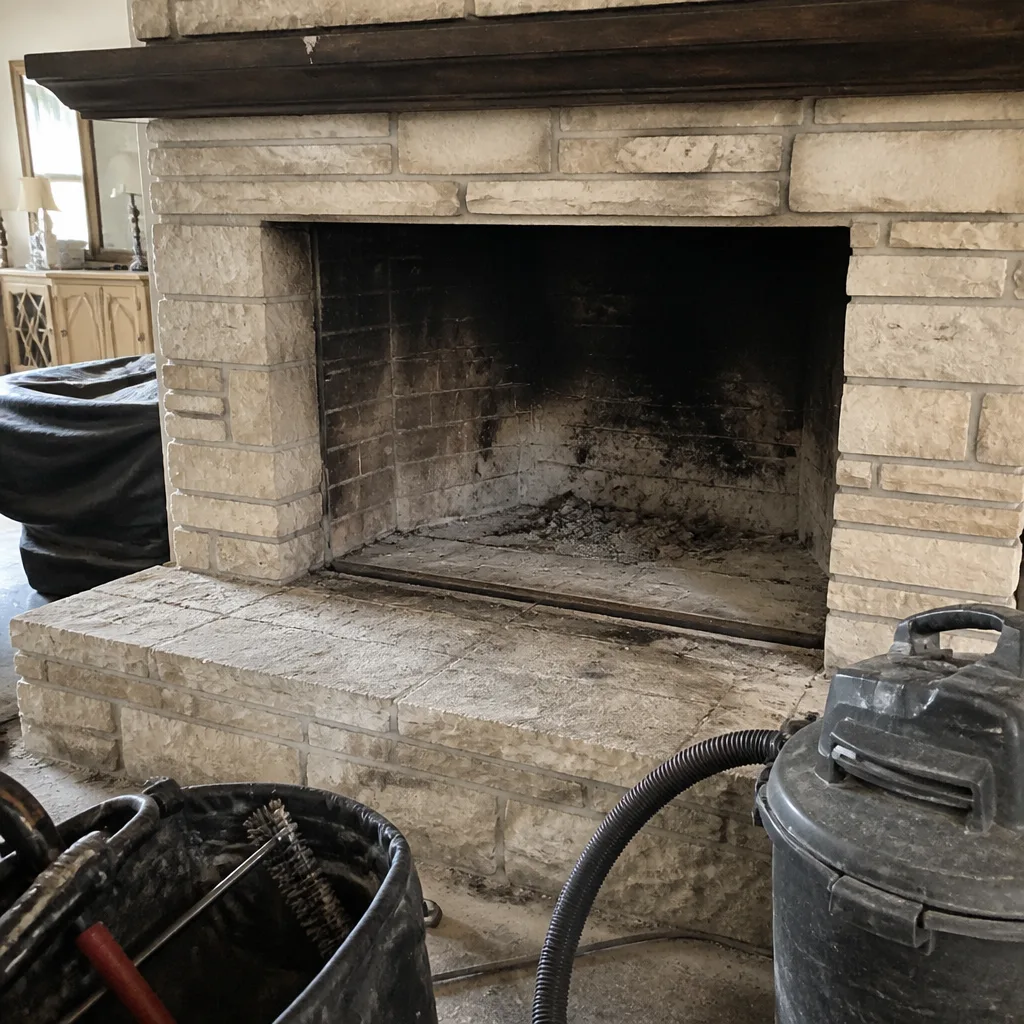
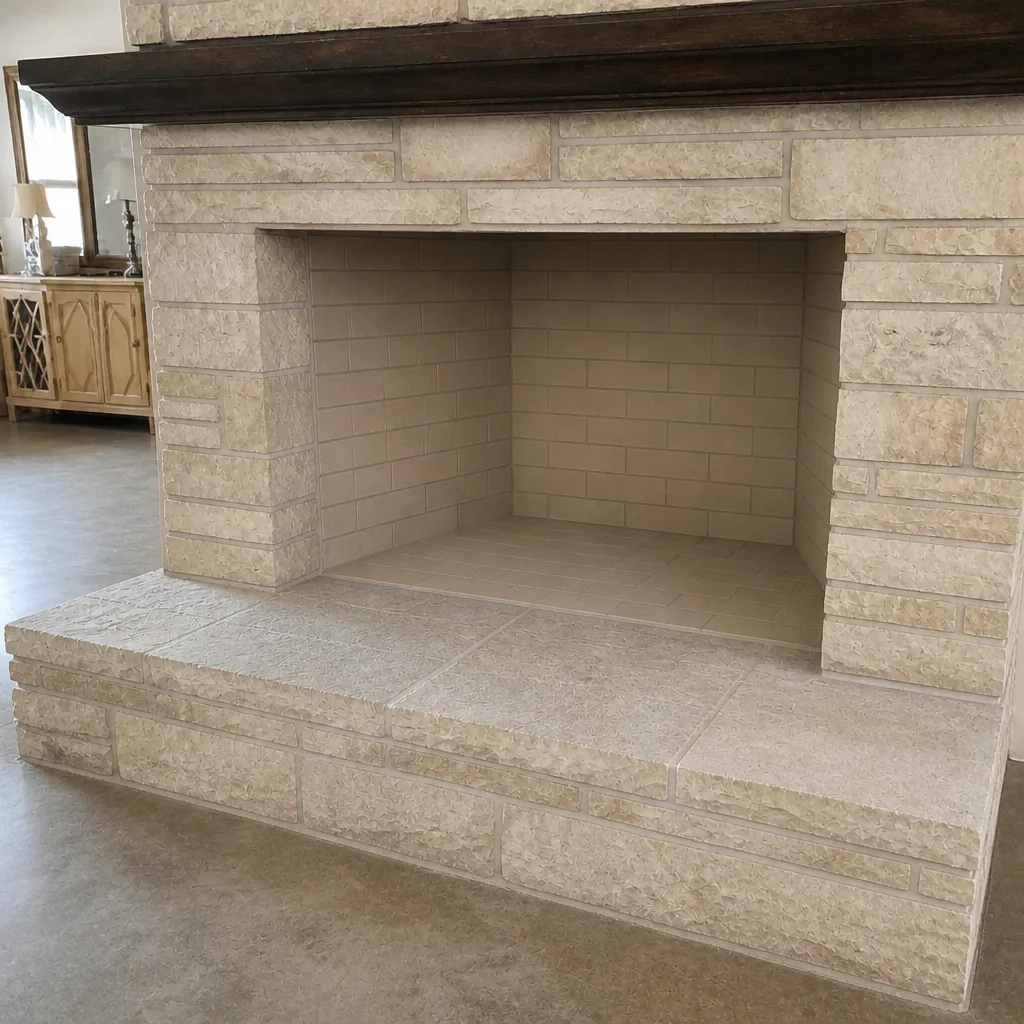
See the difference
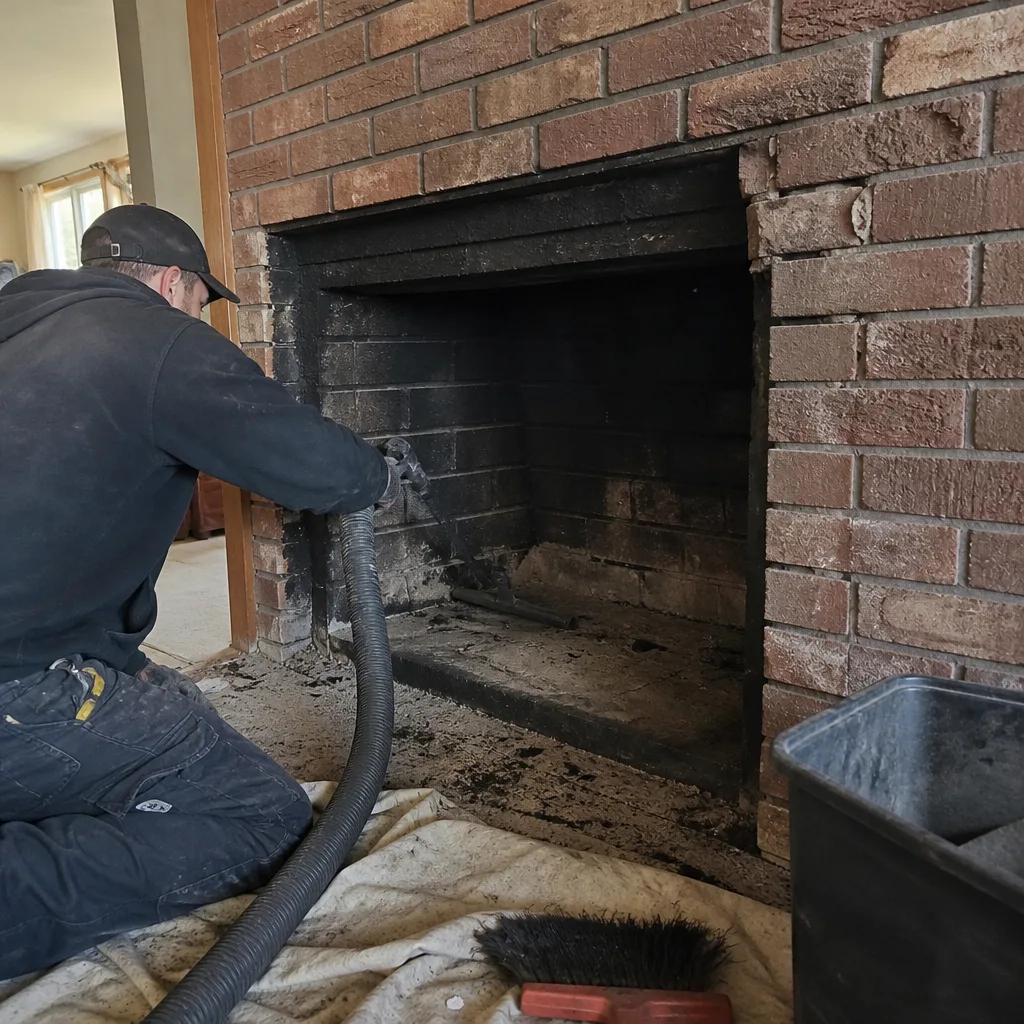 Before
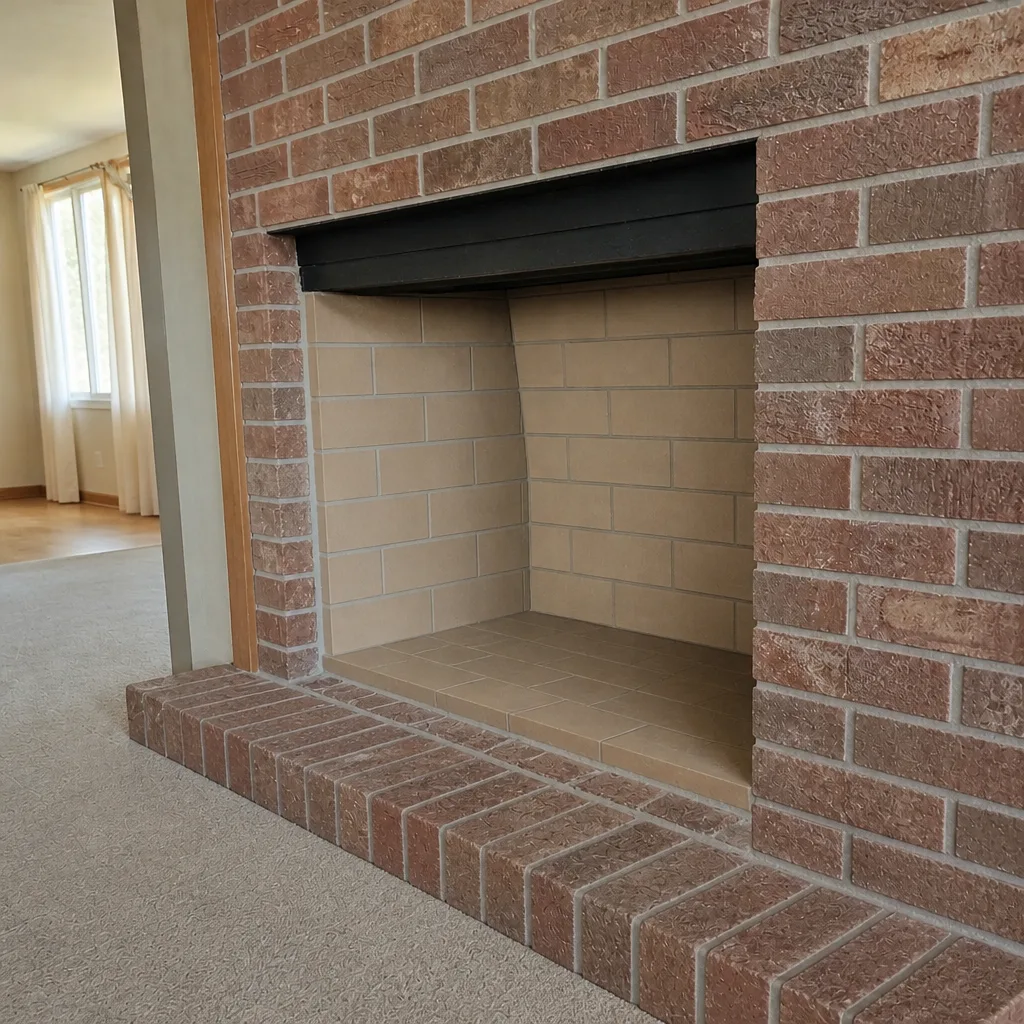 After
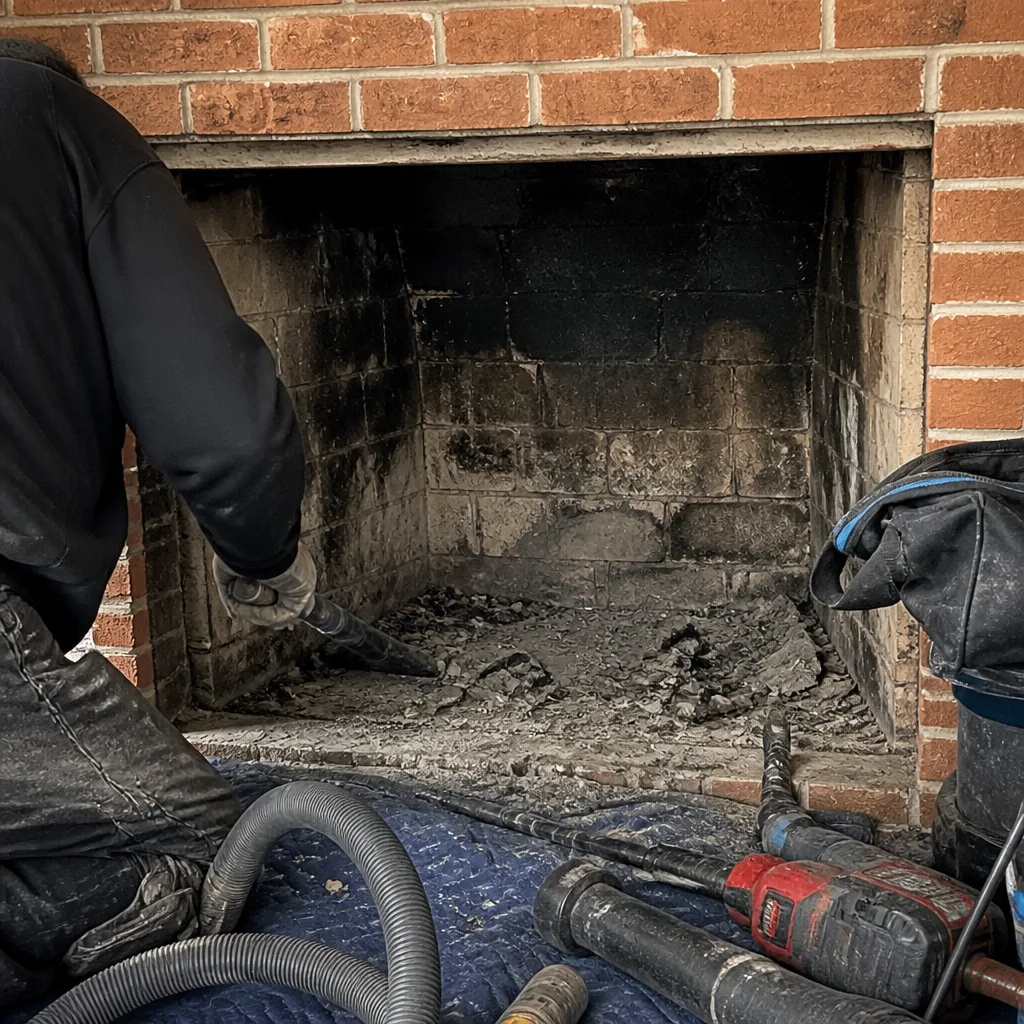 Before
 After
 Before
 After
When to Call a Professional
Call a professional whenever you don’t already know the shape of your flue. Specifically: if you’ve burned wood for a season without a sweep, if a chimney fire has ever occurred, if you smell creosote or smoke in the house when the fireplace isn’t running, if you see water stains on the ceiling near the chimney, if the cap is missing or damaged, or if you’re buying or selling a home and need the system documented. If any of those apply, a professional inspection comes first and the cleaning follows. Parker Chimney Sweep offers free estimates in Parker. Call (844) 443-4897. We answer 24/7. Fast dispatch from 7am to 7pm, Sunday through Friday.
If you’ve already found a problem the sweep turned up, the next step is usually a specific repair. Our fireplace repair services cover the firebox, damper, and smoke chamber side of the system, and the same inspection-first rule applies: we show you what’s wrong before recommending what to do about it. One company, start to finish, means no handoff between a sweep and a repair crew.
Frequently Asked Questions
A chimney sweep in Parker costs $99 to $165 for brush-only cleaning, $250 to $350 for a full-service visit with inspection and report, and $350 to $450 or more when the flue has stage-two or stage-three creosote that needs chemical treatment. The written estimate you receive sets the final price. Call (844) 443-4897 for an exact quote. Estimates are free.
Not always, and that’s the key point. A cracked or spalling flue tile can sometimes be restored with HeatShield resurfacing instead of a full reline, which extends the liner’s life at lower cost. The only way to know which applies is a Level 2 inspection with camera evidence you can see. If a technician recommends a reline without showing you the damage, get a second look. Call (844) 443-4897 to schedule an inspection that documents what’s actually there.
Once a year for a home that burns wood regularly, and that schedule fits well with Parker’s burning season. A gas fireplace with light use may stretch to every other year, but an annual visual check is still worth doing. If you burn heavily through the winter, creosote can build faster than the calendar suggests. Call (844) 443-4897 to book before the season starts.
Creosote builds up, fire risk rises, and the flue tiles wear from the inside. Exterior moisture finds any weak point in the crown or cap and the freeze-thaw cycle does the rest. A $250 annual cleaning is cheap compared to the $1,800 to $8,000 repairs that follow. If you’ve skipped a few years, getting a baseline inspection is the right first step. Call (844) 443-4897 for a free estimate.
Often yes, for smaller problems like a cap replacement or a crown repair, because we cover the full system from the firebox to the crown. Larger jobs like a reline or masonry rebuild are quoted and scheduled after the inspection. The estimate sets the final price and the timeline. Call (844) 443-4897 to talk through what you’re seeing.
Creosote stage, flue configuration, fireplace type, and roof access all push the price up or down, and those vary house to house even on the same street. A quote for a two-flue home with a wood insert in an older neighborhood will land higher than a single-flue ranch with straight access. If the difference doesn’t come with an explanation attached, ask. Call (844) 443-4897 and we’ll walk through the scope with you.
The Bottom Line
Chimney cleaning prices in Parker range from $99 to $450+ in 2026, and the spread is real, not noise. The low end buys a brush pass. The middle buys a full-service visit with inspection, written report, cap and crown check, and disposal. The high end reflects chemical treatment or rotary work for heavy creosote, or a system that needs more time and tooling. The single best way to protect your money is to insist on an inspection-first visit with written evidence, then compare quotes on scope rather than price alone. A $250 annual cleaning is the cheapest part of chimney ownership. The $8,000 repair isn’t. If you’re in Parker and you want a straight answer about your flue, our team is here.
Parker Chimney Sweep offers free estimates in Parker and covers the full system from the firebox to the crown, using professional-grade materials like HeatShield, Gelco, Famco, and Olympia Chimney. Whether you need a routine sweep or a repair the inspection turned up, one company can handle it start to finish. Call (844) 443-4897. We answer 24/7. Fast dispatch from 7am to 7pm, Sunday through Friday.
Written by the team at Parker Chimney Sweep.