
Last updated November 23, 2026
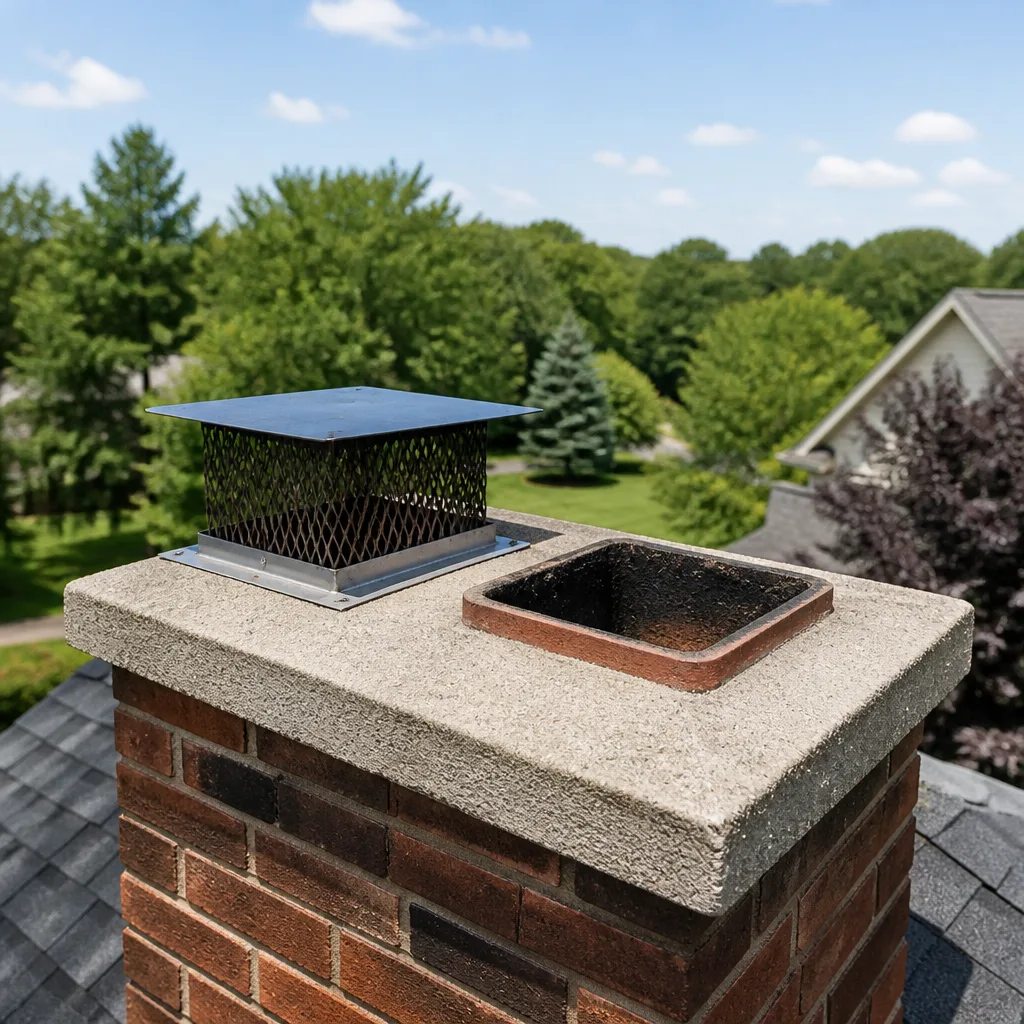 Sweep & inspection
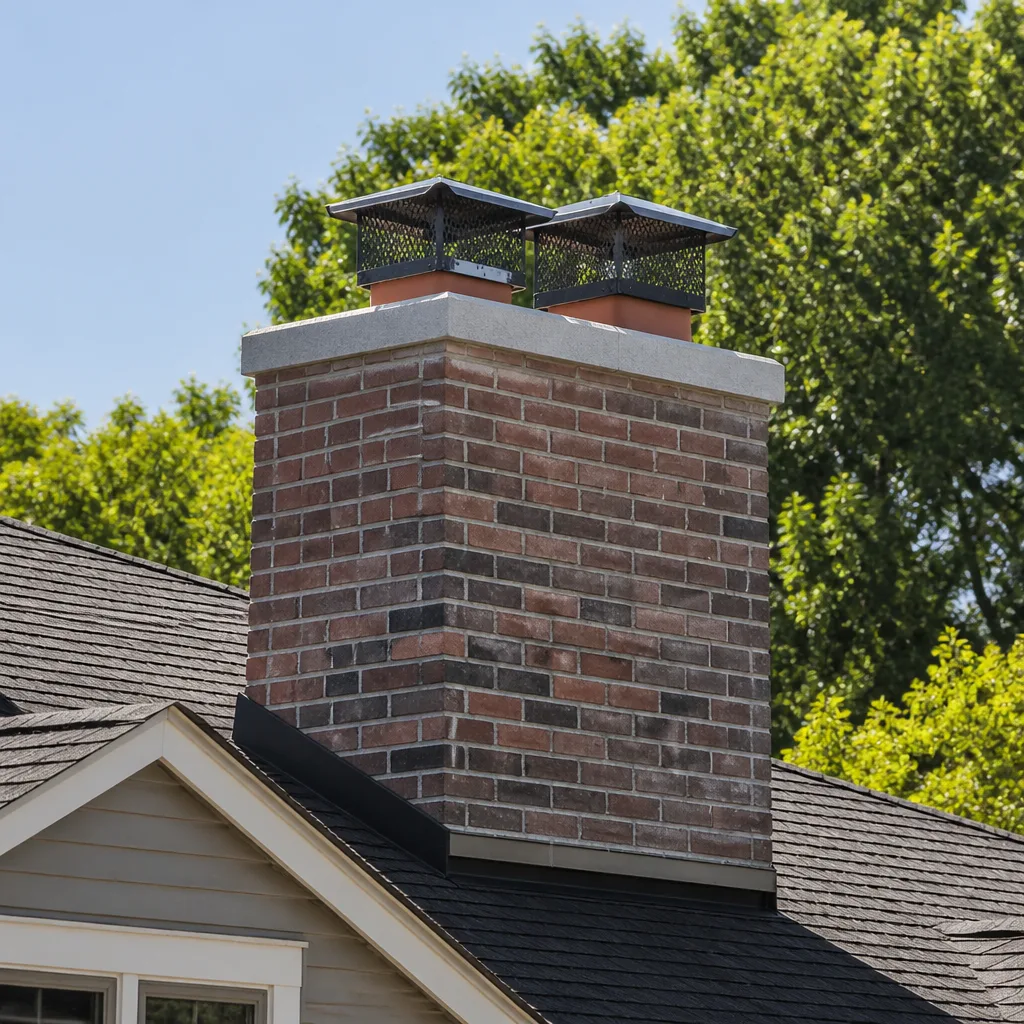 Caps & crowns
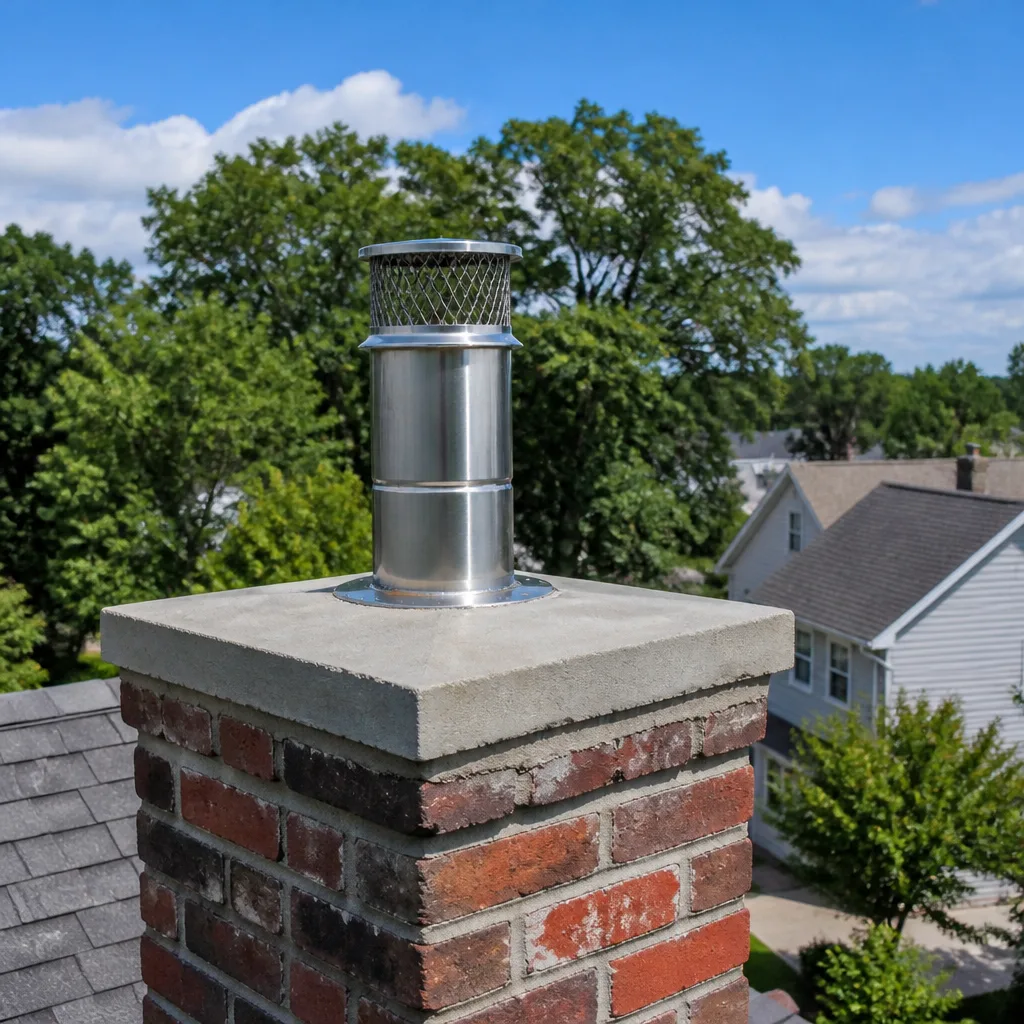 Flue relining
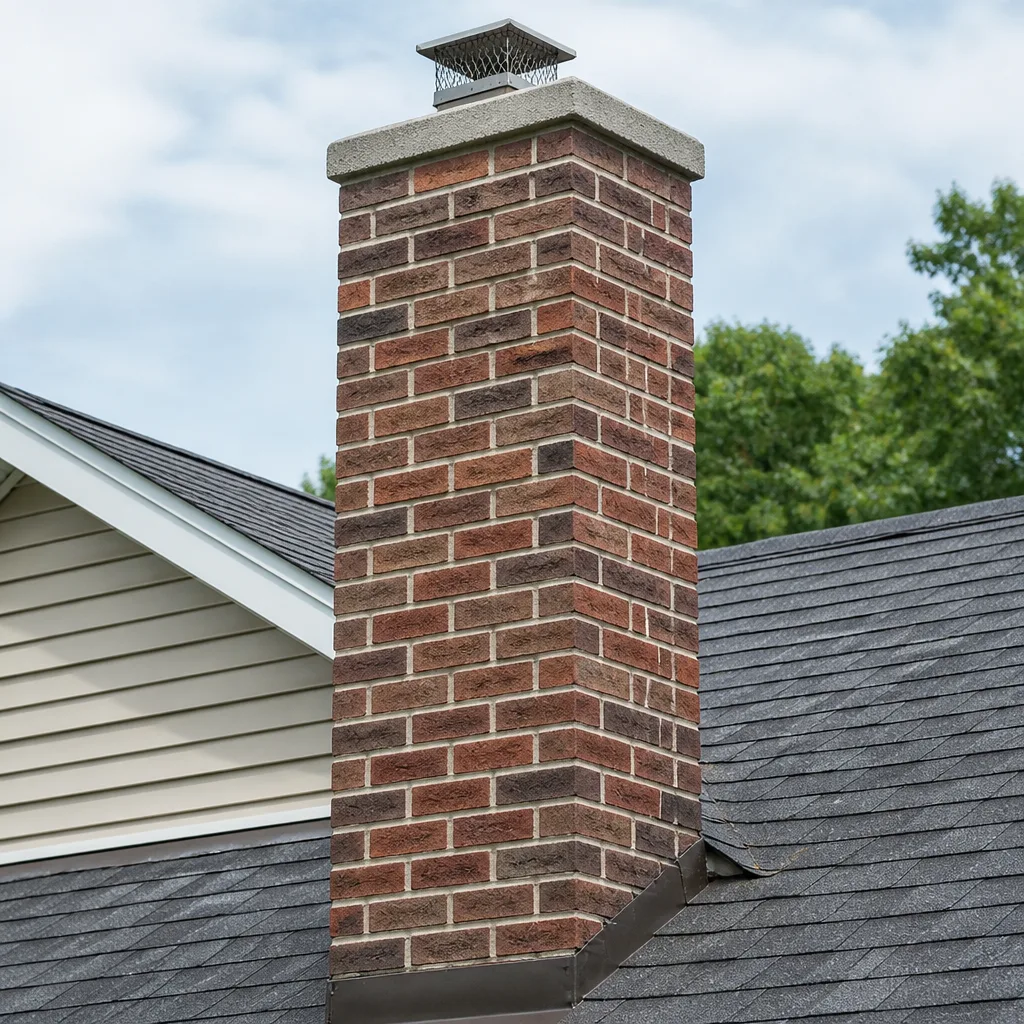 Masonry repair
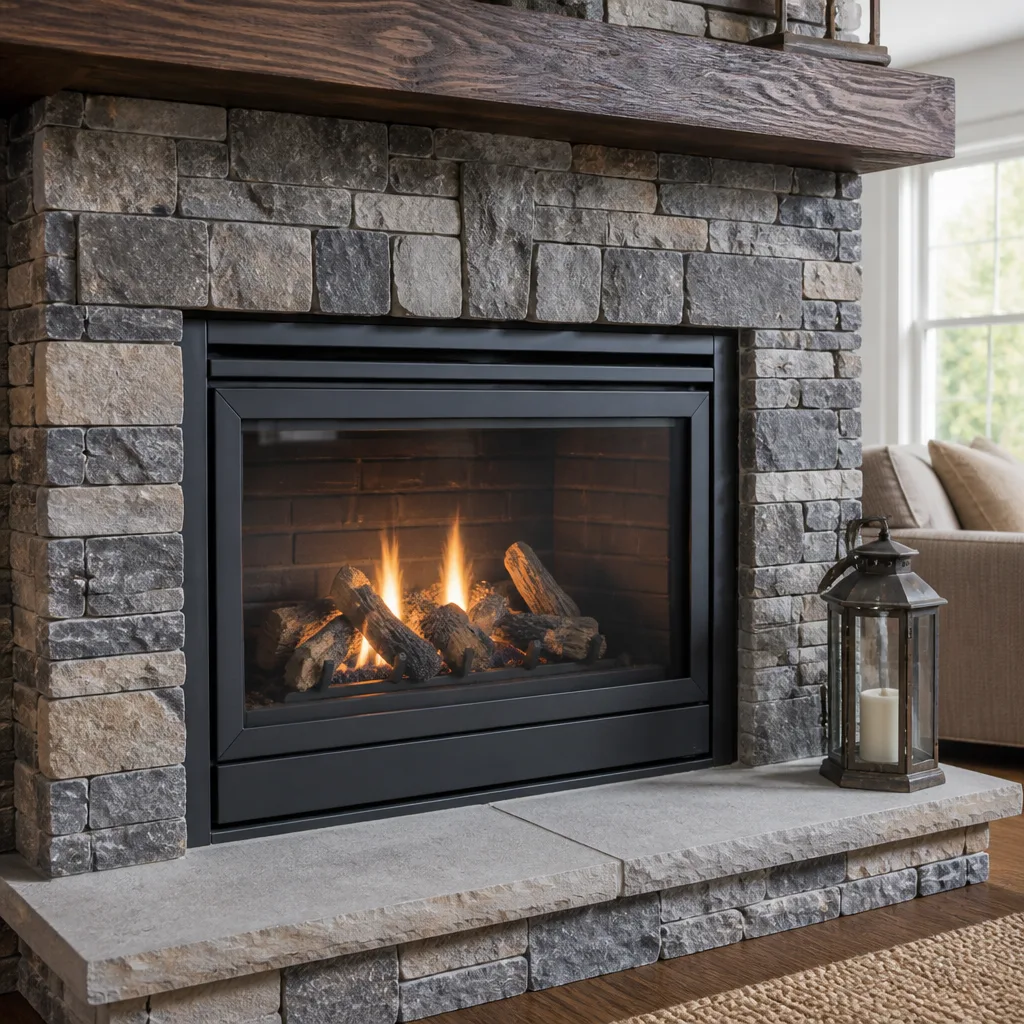 Gas fireplace service
Level 1 sweep and inspection to the NFPA 211 annual standard - flue, crown, cap, and flashing checked and photographed
Chimney sweep logs do not sweep chimneys. They loosen some creosote - which then falls where a brush and vacuum still have to collect it.
The Complete Guide to Chimney Cleaning in Parker
At 5,869 feet, Parker’s incomplete combustion window is narrower than Denver’s. That means the same fire that burns clean at sea level deposits measurably more stage-two creosote in your flue. The difference is not visible from the living room. It shows up on the brush and the camera. This guide maps the full cleaning process to Parker’s elevation, its Douglas County wood supply, and the wide temperature swings that shape how a chimney ages here. You’ll learn what a proper cleaning involves, how inspection levels differ in practice, and what to check before you hire anyone.
Quick Answer
Chimney cleaning in Parker CO removes creosote, soot, and blockages from the flue so the chimney vents safely. It typically involves a Level 1 or Level 2 inspection, brushing of the flue from the roof or firebox, a camera check of the liner, and cleanup of the firebox area. Frequency depends on how much you burn, but most Parker homeowners should schedule a sweep before the heating season and have the flue checked annually.
Styles & brands we work with
- Sweep & inspection
- Caps & crowns
- Flue relining
- Masonry repair
- Gas fireplace service
Table of Contents
- Why Parker’s Elevation Changes How Your Chimney Ages
- Pine, Beetle-Kill, and the Creosote They Leave Behind
- Level 1 vs. Level 2 Inspection: What Each Actually Means
- The Full Cleaning Sequence, Step by Step
- Why a Chimney Specialist Differs From a Handyman
- When to Schedule a Cleaning in Parker
- Signs Your Chimney Needs Attention Now
- Common Mistakes to Avoid
Why Parker’s Elevation Changes How Your Chimney Ages
Combustion is a chemistry problem with a narrow optimal range. At higher elevations, there’s less oxygen in every cubic foot of air, so a fire that draws fine at lower altitude can run fuel-rich in a Parker flue. Fuel-rich means unburned gases leave the firebox before they ignite. Those gases condense on the cooler upper walls of the flue as creosote, and they do it faster than in a lower-elevation Front Range home.
The distinction that matters most is creosote stage. Stage one is soot and flaky residue that brushes away easily. Stage two is a denser, crusty deposit that bonds to the tile. Stage three is glazed creosote, a hard, glassy coating that forms when the fire has repeatedly run cool and smoky. Glazed creosote is the fuel that turns a small flue fire into a serious one. At Parker’s altitude, the conditions that produce stage-two and stage-three deposits arrive sooner. A homeowner who moved up from a lower-elevation city may be carrying over a cleaning rhythm that no longer fits.
The temperature swings make it worse. Warm afternoons followed by hard overnight drops are normal along the Palmer Divide. That cycle stresses the masonry and the mortar joints, opening hairline cracks that let smoke and moisture migrate where they shouldn’t. A flue that passed inspection in a mild season can develop a compromised joint over a single winter. Our technicians have up to 8 years of experience working on Parker chimneys and know the patterns the local climate leaves behind.
The takeaway is simple: altitude changes the timeline, not the principle. Get the flue checked, and check it more often than a lower-elevation neighbor would need to.
Pine, Beetle-Kill, and the Creosote They Leave Behind
The wood you burn in Parker is the other half of the creosote equation. Douglas County sits in the middle of a pine forest ecosystem, and the local supply reflects it. Lodgepole and ponderosa dominate, and beetle-kill pine is common in the standing and cut wood around the metro’s southern edge. Pine has a high resin content compared to hardwoods like oak or maple. Resin burns hot but leaves a sticky residue when the fire runs too cool or too fast.
Beetle-kill wood adds a wrinkle. Standing dead pine dries fast, but the moisture content varies widely by piece, and a batch that mixes seasoned and green wood burns inconsistently. Inconsistent fuel is the leading cause of a smoldering fire, and smoldering is what produces the glazed creosote that clings to flue walls. A homeowner who burns a lot of beetle-kill pine will notice deposits building faster than a neighbor burning well-seasoned split hardwood.
You can’t eliminate creosote from a pine fire, but you can slow it down. A few habits help in Parker specifically:
- Season wood to the point where it burns clean, not just dry to the touch. A moisture meter is cheap and removes the guesswork.
- Don’t choke the air intake to stretch a fire overnight. A long, cool burn is the fastest route to glazed creosote.
- Mix in some hardwood when it’s available. A pine-heavy fire in one season deposits noticeably more than a mixed load.
- Keep a small hot fire rather than a large damped one. The flue stays warmer, and warmer flues condense less.
The point isn’t to avoid pine. It’s to understand that the wood supply around Parker shapes how quickly your flue needs attention, and to plan the cleaning schedule around it rather than around a generic national average.
Level 1 vs. Level 2 Inspection: What Each Actually Means
Every inspection should follow a defined scope, not a visual glance. The recognized standard breaks inspections into three levels, and the right one depends on what you’re doing and what’s changing. Most of the confusion in the trade comes from a Level 1 being sold as a Level 2, or a Level 2 being recommended without a reason. Here is what each one actually involves in practice.
Level 1: The Routine Check
A Level 1 covers the readily accessible parts of the chimney and venting: the firebox, the damper, the visible flue, the cap, and the exterior where it can be reached without special tools. It’s what you schedule when you’ve been burning normally, nothing has changed, and there’s no known problem. It’s also the standard scope for an annual cleaning visit when the chimney was structurally sound the year before.
Level 2: The Diagnostic Look
A Level 2 adds a camera inspection of the flue liner interior and access to areas normally hidden, including attics, crawlspaces, and the chimney’s concealed sections. It’s the appropriate level when you’re buying or selling a home, after a chimney fire or a flue event, after an earthquake or major storm, when the appliance or fuel type has changed, or when you suspect a hidden problem. It’s also what a homeowner should request when they don’t trust the last inspection they had. A camera doesn’t argue, and the photo report lets you see what the technician sees.
A Level 3 is a more invasive inspection that goes inside walls or into the chimney structure. It’s rare and only comes up when a serious hidden defect is suspected. Most Parker homes will never need one, but it’s the last step when a Level 2 finds something that has to be chased.
The practical rule in Parker is this: a Level 1 is fine annually if the chimney was healthy last time. Any change, any suspicious sign, or a home sale moves you to a Level 2. The inspection should come before any repair recommendation. We don’t recommend a repair without showing the evidence behind it, and a camera image is the evidence.
The Full Cleaning Sequence, Step by Step
A proper cleaning is a sequence, not a single action. Knowing what a technician should be doing at each stage helps you tell a real cleaning from a quick sweep-and-gone. Here’s what the full visit looks like when it’s done right.
- Setup and protection. Drop cloths go down, furniture is moved clear, and a dust control system is set at the firebox. A professional job controls the dust at the source rather than cleaning it up afterward.
- Inspection first. The technician inspects before touching anything. That means firebox, damper, visible flue, and the cap and crown from above. If a Level 2 was requested, the camera runs through the flue to check the liner tile by tile.
- Brushing the flue. Rotating or handheld brushes sized to the flue interior run the full length from the top down or the bottom up, depending on the chimney’s construction. The brush is sized to the flue, not one-size-fits-all. Glazed creosote may not release with brushing alone, and a technician who recognizes that should tell you so rather than push harder and damage the tile.
- Cleaning the firebox and smoke chamber. Soot from the firebox, damper, and smoke shelf is removed. The smoke shelf is a common collection point for debris and nesting material and gets cleared as part of the job.
- Checking the cap and crown. The cap is checked for damage or absence, and the crown for cracking. Both are water-control and structure questions as much as they are chimney-vents questions. A missing cap invites rain, snow, and wildlife straight down the flue.
- Camera check and photo report. After the brush has done its work, the camera confirms the flue is clear and shows you the condition of the liner. That photo report is the record you keep, and it’s what any repair recommendation should be based on.
- Cleanup and written findings. Final sweep of the work area, and a written summary of what was found and whether anything needs attention. If the flue needs work, you should walk away with a clear idea of the scope and the risks of waiting.
One more thing: safety. Chimney work involves heights, roofs, and in many cases a firebox that has seen heavy use. Never attempt to clean or inspect a flue from the top of a roof yourself, and never open a firebox that may have an active liner defect. High-tension tools and steep surfaces aren’t a place to learn by doing. A trained technician with the right equipment handles this safely.
Why a Chimney Specialist Differs From a Handyman
A handyman can push a brush through a flue. What’s harder to source is someone who can identify the cause behind the deposit, tell you whether the liner can be saved, and handle the repair in the same visit. That’s the difference a single-trade chimney specialist brings, and in a high-altitude market it matters more than the national conversation suggests.
The product lines tell you a lot about a specialist’s depth. A professional-tier chimney company works with product families like DuraFlex for liner work, HeatShield for flue resurfacing, and Gelco for caps and crowns, because these are the materials the industry specifies on real jobs. A handyman who adds chimney sweeping to a menu is more likely to source a universal cap or a big-box substitute, and the fit and the longevity show the difference. When a flue has minor damage that resurfacing can address, a specialist can offer the restoration instead of a full reline. That’s a real cost difference for the homeowner, and it only exists if the company is set up to do it.
The full-system scope is the other piece. Sweeping, inspection, crown and cap work, liner repair, and masonry repair all sit together in one trade. A Parker homeowner shouldn’t have to call a second contractor to finish a job the first one started. Inspect before you repair, and repair as part of the same visit whenever the scope allows. From the firebox to the crown, one company, start to finish, is how a specialist operates.
When to Schedule a Cleaning in Parker
The best window for a cleaning in Parker is late summer or early fall, before the first sustained cold snap. That timing has nothing to do with the calendar on a marketing page. It’s practical. A flue that gets checked before the season starts has time to be repaired if a defect turns up, and it’s ready to run on the first cold night rather than waiting in line behind everyone else who waited.
The Parker climate makes the window narrow. The first hard freeze can arrive early, and once the fire is running every night, the creosote builds without a pause. A mid-season cleaning is possible, but you’d rather be clean going in than catch up in January. And a repair discovered in late October is scheduled before the cold. A repair discovered in mid-January is scheduled around it.
There’s a second timing question: how often. A general rule is once a year for a normally used wood-burning fireplace, and more often if you burn pine-heavy fuel or use the fireplace as a primary heat source. In Parker’s high-altitude, pine-fed conditions, “more often” is a real possibility rather than a sales line. A gas fireplace changes the calculus because there’s no creosote to speak of, but the venting still needs inspection. Schedule the sweep and inspection as one visit. That’s the pattern that works best in this climate.
Signs Your Chimney Needs Attention Now
Some signs mean “schedule the next visit.” Others mean “don’t light another fire until someone looks.” Here’s the distinction, in plain terms.
Schedule the next visit: a season’s worth of use without a check, a smoky smell in the house when the fire is cold, a little soot on the firebox glass, or a cap that’s rusted and due for replacement. These are all routine timing questions.
Stop and call: a roaring sound from the flue during a fire, a puff of smoke backing into the room, creosote that has visibly cracked or glazed inside the firebox, a damaged or missing cap with debris down the flue, or a masonry crack that’s grown since last season. A chimney fire often goes unnoticed, and the signs of one are worth taking seriously. If you’re unsure, don’t burn until it’s been inspected.
Carbon monoxide is the quiet risk. A blocked flue or a compromised liner can let combustion gases back into the living space without any visible sign. A working CO alarm on every level of the home is the baseline. An annual inspection is how you confirm the flue itself is venting the way it should.
Common Mistakes to Avoid
- Burning a big, damped-down fire overnight. In Parker’s cold nights this is tempting, but the cooler flue and the starved air intake are exactly what produce glazed creosote. Run a smaller, hotter fire and let it burn clean.
- Treating a Level 1 as a full inspection. A visual check misses liner damage that only a camera catches. If the last person who looked at your flue didn’t use a camera and the home has any history of trouble, ask for a Level 2.
- Skipping the cap to save money. A purpose-built cap is a structural protection item, not a cosmetic one. Rain, snow, and wildlife going down an open flue are a direct route to water damage and liner problems.
- Burning unseasoned or mixed beetle-kill without checking moisture. A batch that smolders instead of burning clean leaves deposits behind the same week it was burned. Seasonal consistency matters in a pine-heavy supply.
- Hiring a handyman who adds chimney sweeping to a menu. The cleaning is the easy part. What happens when the brushing reveals a damaged liner is where the difference between a specialist and a generalist shows up.
- Ignoring the temperature swings. A warm-afternoon, cold-night pattern is normal along the Palmer Divide, and it stresses masonry joints. A crack that opens over a single winter is a real pattern here, so check the crown and the visible masonry each season.
- Waiting for the smell to be obvious. A chimney fire can burn out without ever calling attention to itself. A camera check after any suspicious event is cheap compared to the alternative.
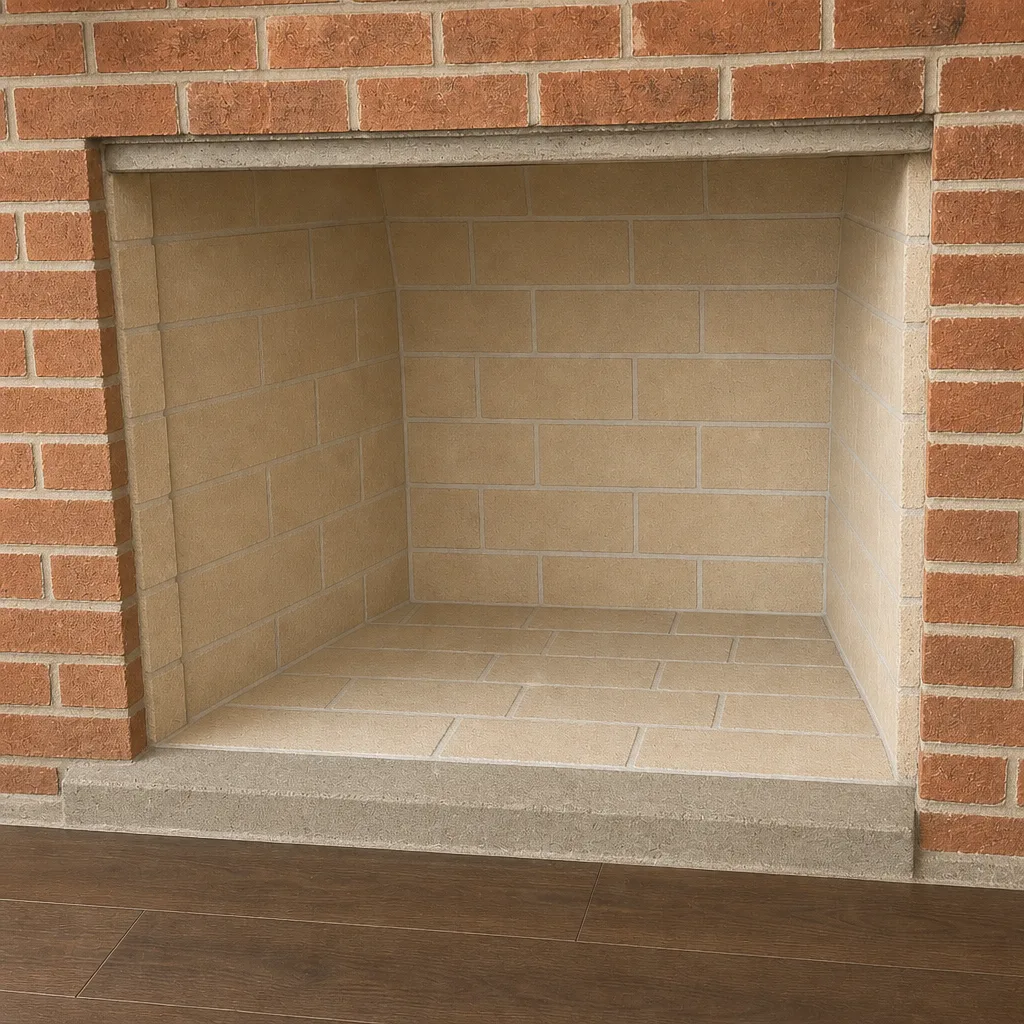
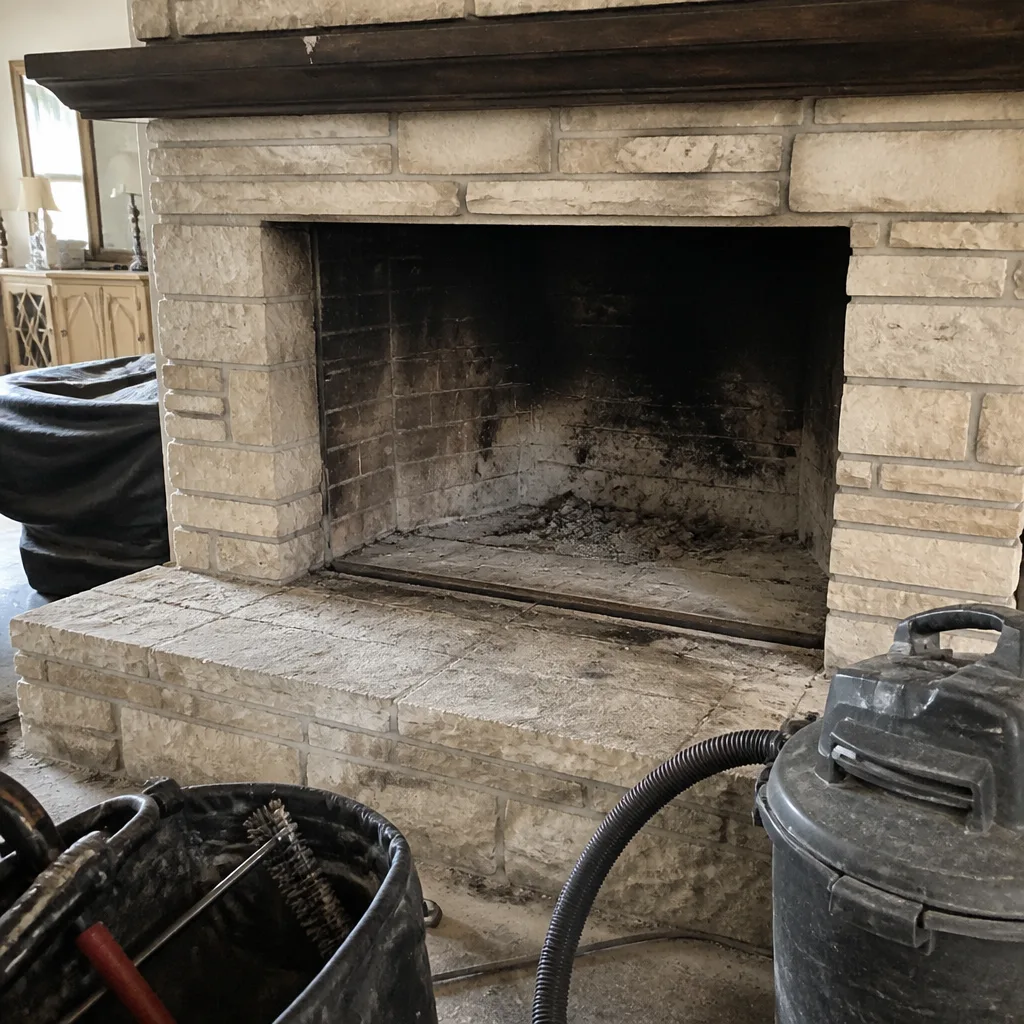
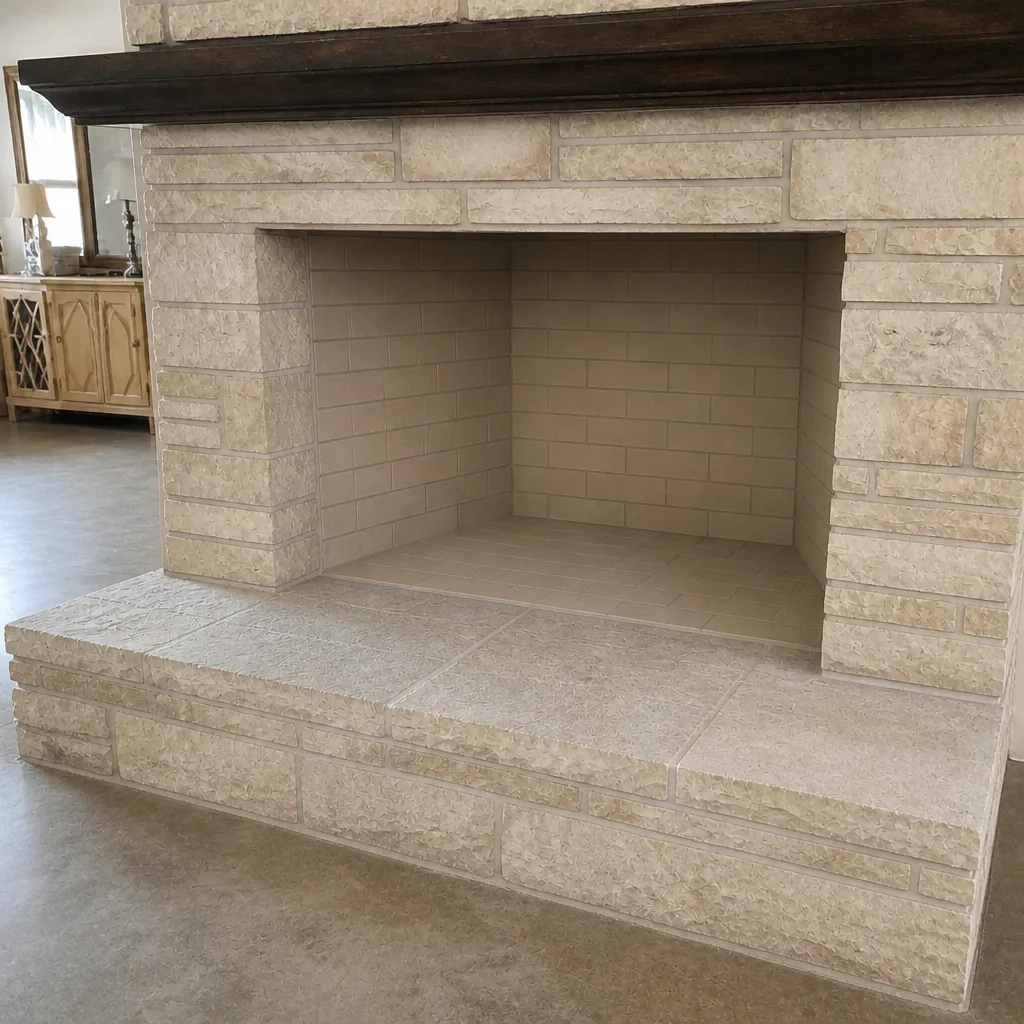
See the difference
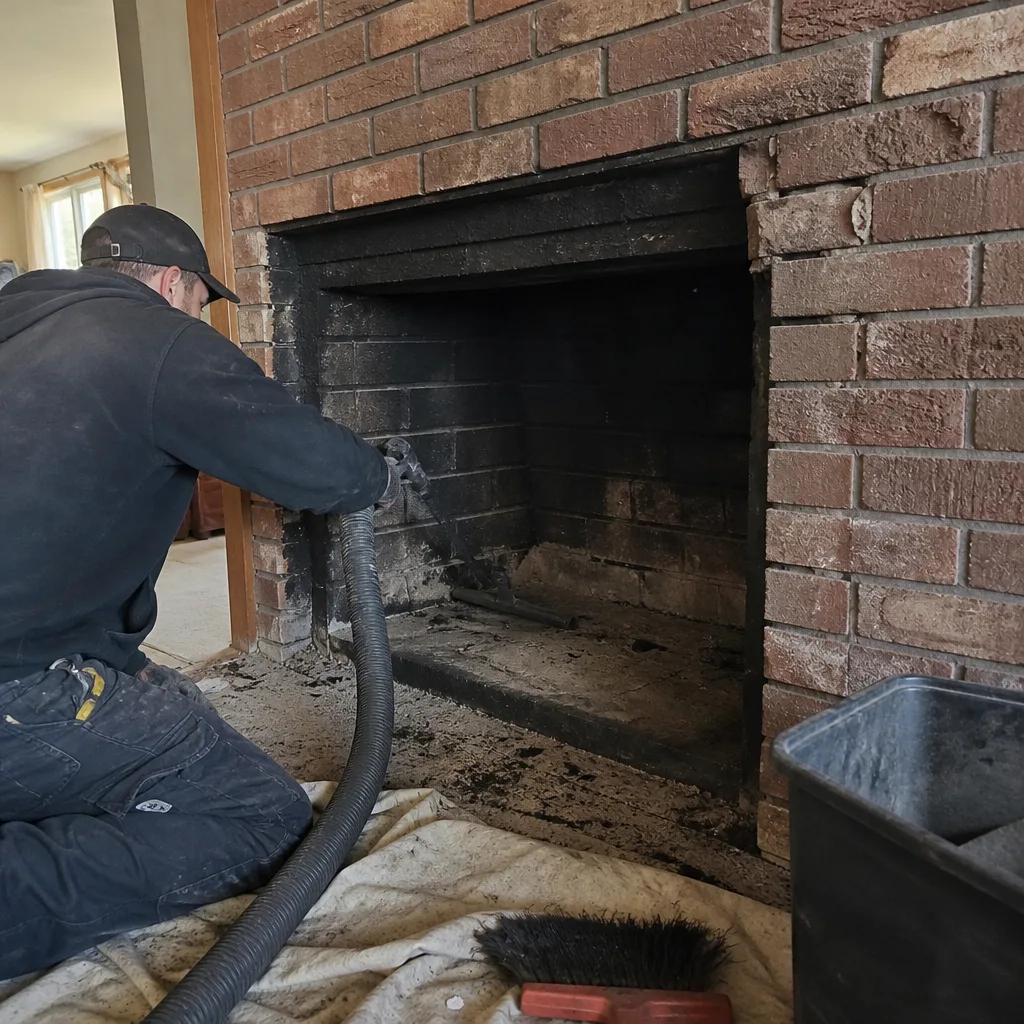 Before
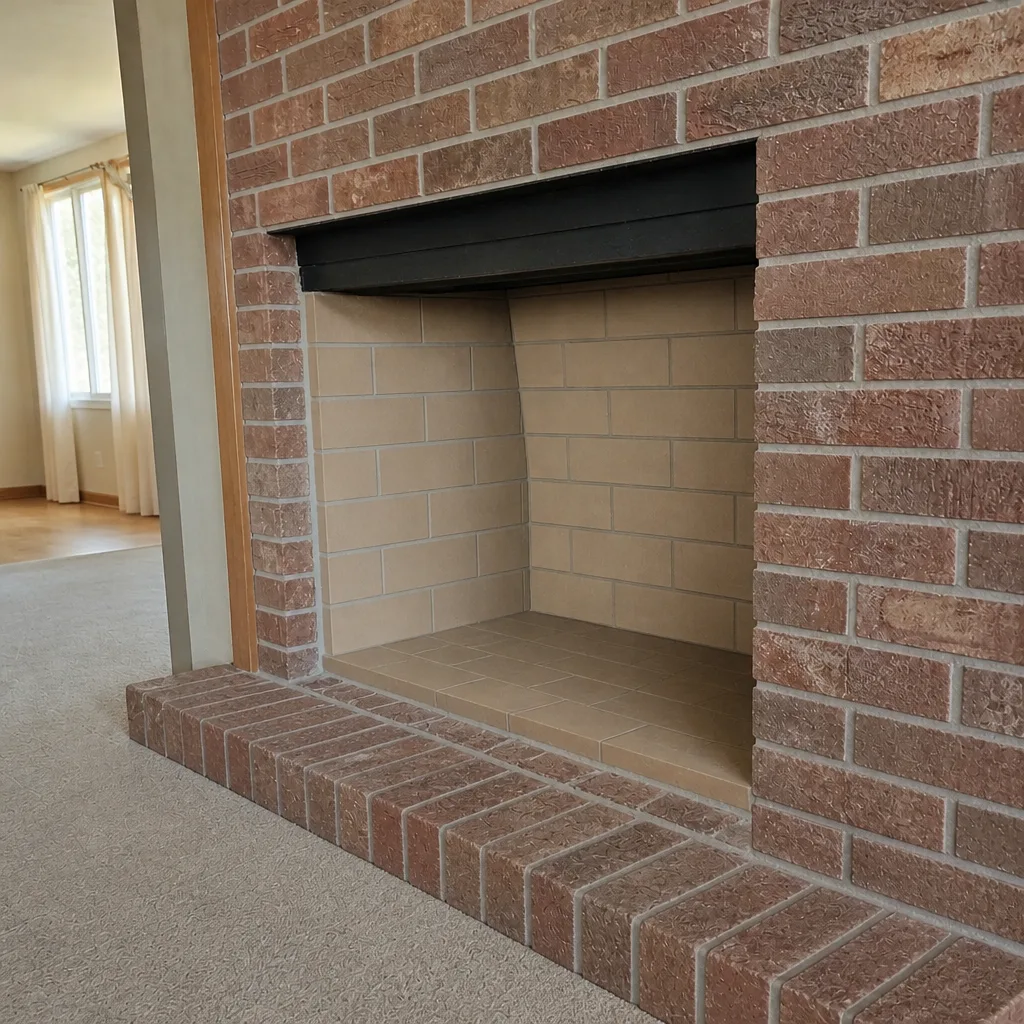 After
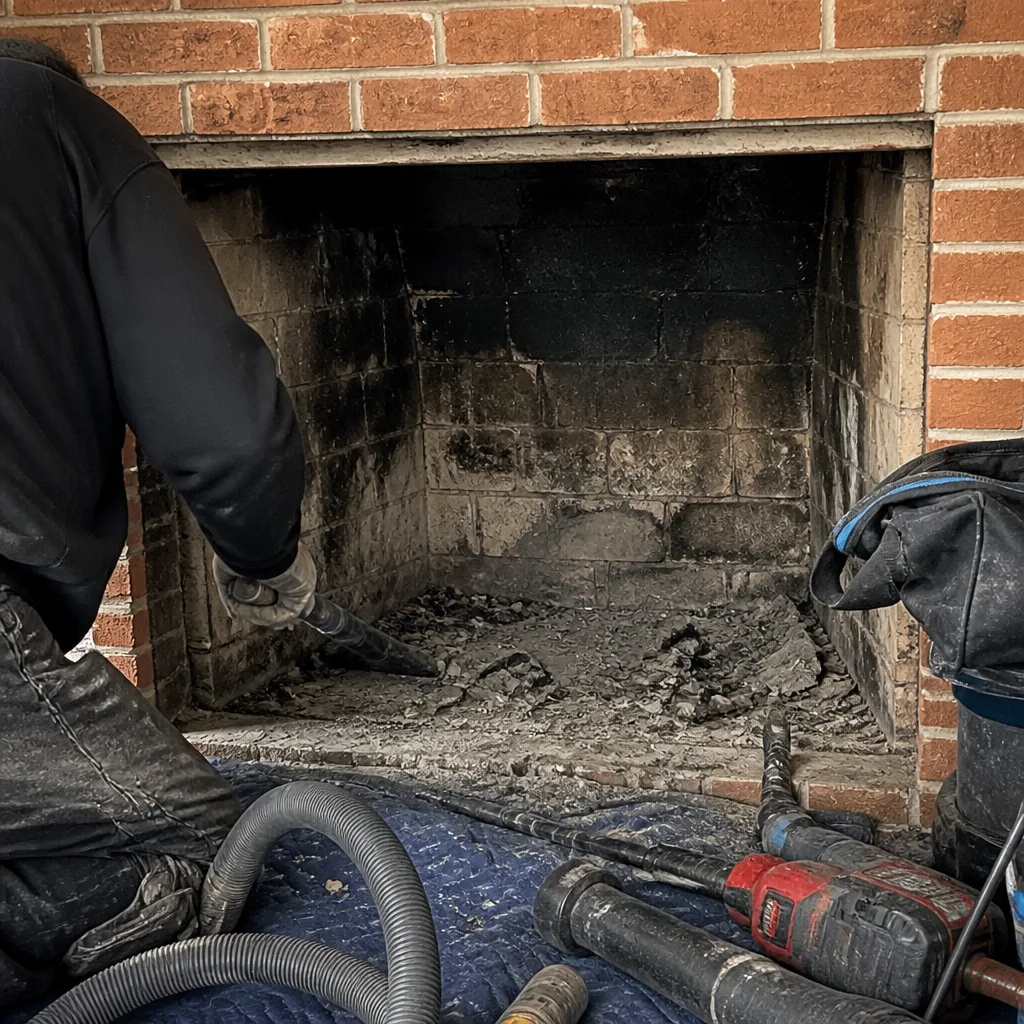 Before
 After
 Before
 After
When to Call a Professional
Call a professional before you light the first fire of the season, after any chimney fire or flue event, when you notice smoke backing into the room or a roaring sound from the flue, when a home sale inspection turns up chimney concerns, or when the cap and crown show damage you can see from the ground. Also call if you’ve moved to Parker from a lower elevation and you’re unsure whether your previous cleaning schedule still fits the conditions here. Safety comes first: don’t put a ladder on the roof or open a firebox with a suspected liner defect. Get it checked by a trained technician. Parker Chimney Sweep offers free estimates in Parker. Call (844) 443-4897. We answer 24/7. Fast dispatch from 7am to 7pm, Sunday through Friday.
Frequently Asked Questions
Chimney cleaning in Parker CO typically falls in a modest range for a standard sweep and Level 1 inspection, with the exact figure set by a written estimate based on the flue, the chimney’s condition, and what the inspection turns up. A Level 2 inspection with a camera check or additional repair work moves the number accordingly. The written estimate sets the final price, and the estimate itself is free. Call (844) 443-4897. We answer 24/7. Fast dispatch from 7am to 7pm, Sunday through Friday.
Once a year is the right baseline for a normally used wood-burning fireplace. In Parker’s high-altitude, pine-fed conditions, more frequent cleaning is worth planning for if you burn pine heavily or use the fireplace as a main heat source. A gas fireplace still needs an annual venting inspection. If it’s been more than a year, schedule the next visit and don’t wait for a problem to announce itself. Call (844) 443-4897 for an exact quote.
You need one when the circumstances call for it. A Level 2 camera inspection is the appropriate scope when you’re buying or selling a home, after a chimney fire, after a fuel or appliance change, or when a Level 1 turns up something suspicious. A camera sees liner damage a visual check can’t. If a technician recommends a repair, ask to see the photo behind it. Call (844) 443-4897 and we’ll walk you through which level you need.
Sometimes. HeatShield resurfacing is designed to restore certain damaged flue tile without a full reline, which can extend the liner’s life when the damage is within its scope. When the damage is beyond resurfacing, a chimney repair with a professional-grade liner is the path. Either way, the recommendation should rest on a camera image you can see, never a guess. Call (844) 443-4897 for an exact quote.
In Parker specifically, a skipped season means creosote has more time to build under higher-altitude conditions and a pine-heavy fuel load, which means the risk of a glazed deposit climbing the flue walls. Glazed creosote is the fuel that turns a small flue fire into a structural problem, and a flue fire can happen without a visible sign. The right response is a cleaning and an inspection before the next burn season. Call (844) 443-4897 – estimates are free.
No, not for a full job. Sweeping is only half of what a chimney visit is for. The other half is recognizing what the brush reveals and handling the repair in the same trade. A specialist works with product lines like DuraFlex and HeatShield, handles cap and crown work with purpose-engineered products like Gelco, and closes the loop from inspection through repair. One company, start to finish. Call (844) 443-4897 for an exact quote.
The Bottom Line
Parker’s altitude, its pine-heavy Douglas County wood supply, and its wide temperature swings change the chimney cleaning question in ways a generic Colorado guide misses. The fire that looks clean from the living room leaves stage-two and stage-three creosote behind sooner here, and the freeze-thaw cycle stresses masonry joints in a pattern you should check each season. Get the flue inspected before each burn season, use a camera inspection when anything has changed, and hire a single-trade specialist who can move from sweep to inspection to repair without handing you off to a second company. Our technicians have up to 8 years of experience, and we work from the firebox to the crown. Reach out to Parker Chimney Sweep for a chimney sweep or a fireplace repair, and get the whole system checked before the cold sets in.
Ready to schedule a cleaning or an inspection? Call (844) 443-4897 for a free estimate. We answer 24/7. Fast dispatch from 7am to 7pm, Sunday through Friday.
Written by the team at Parker Chimney Sweep.