
Last updated November 23, 2026
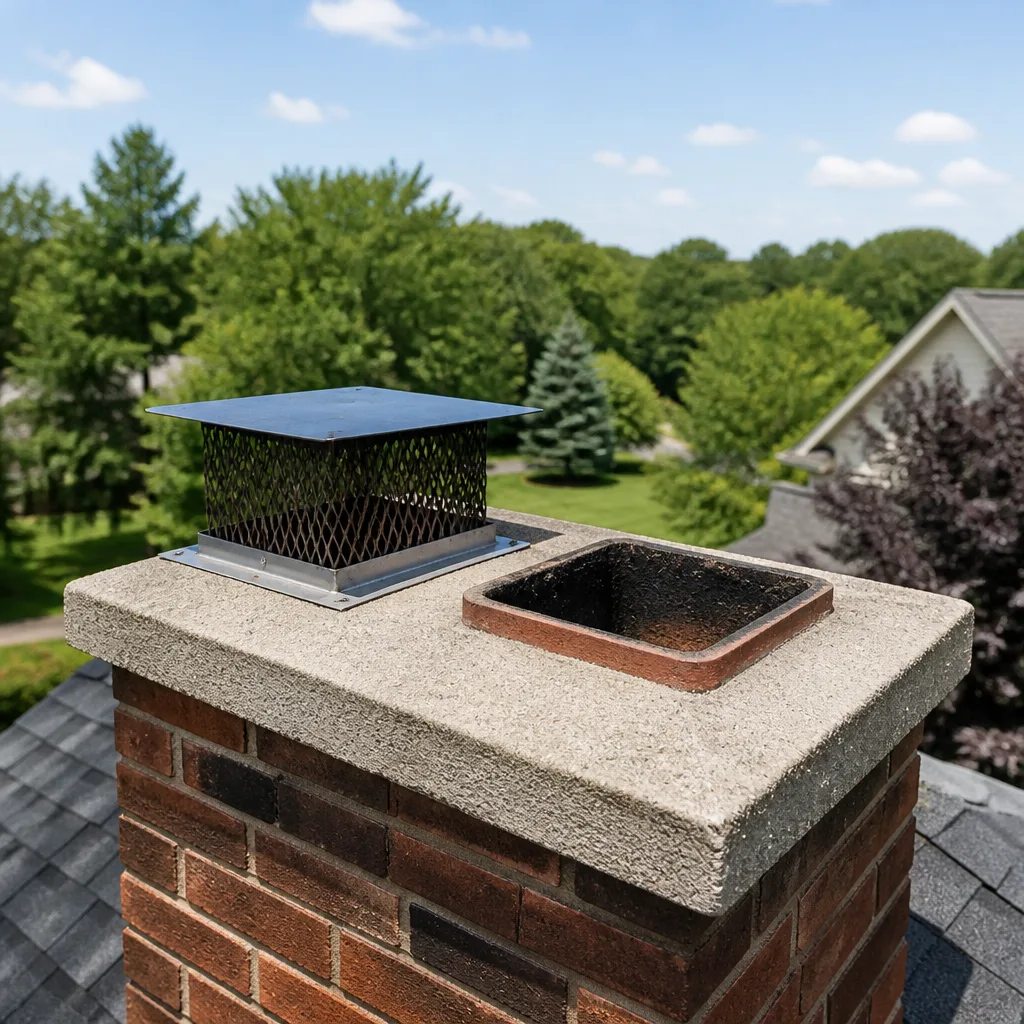 Sweep & inspection
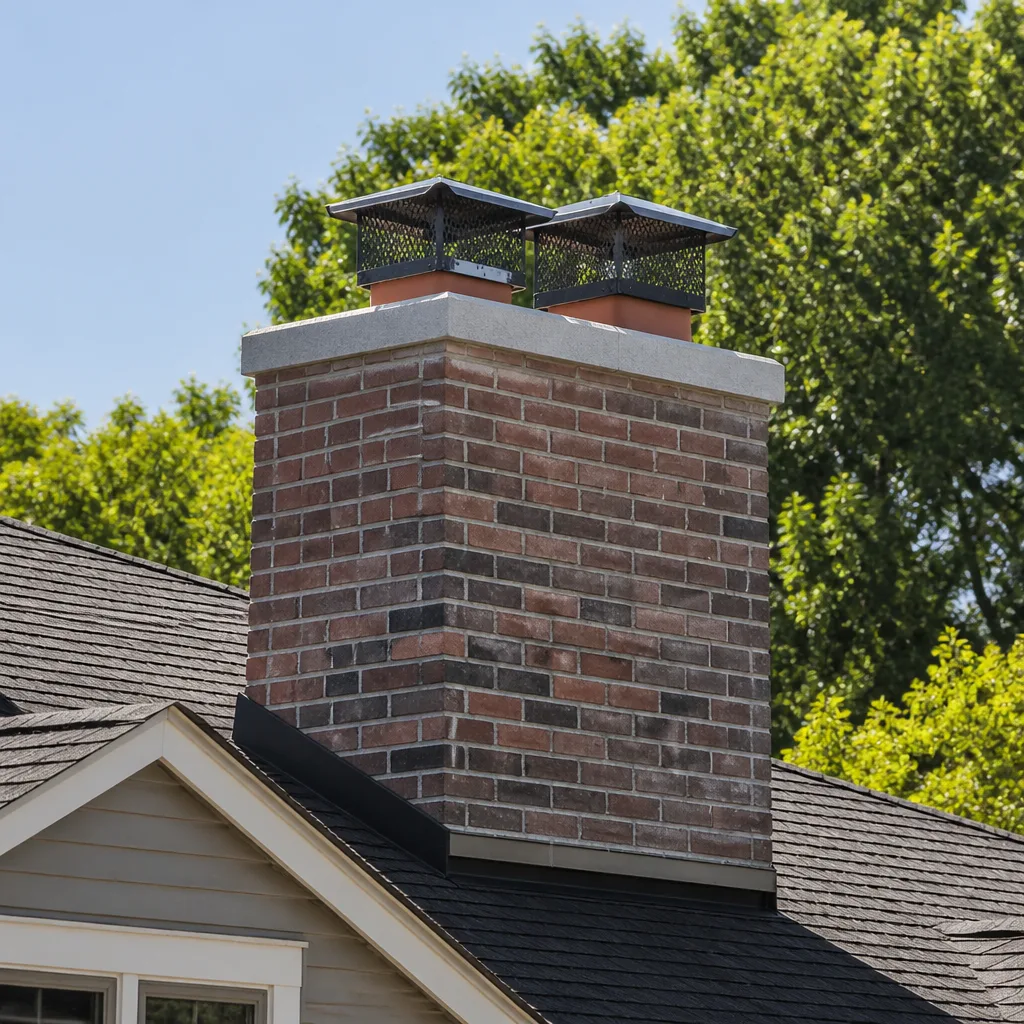 Caps & crowns
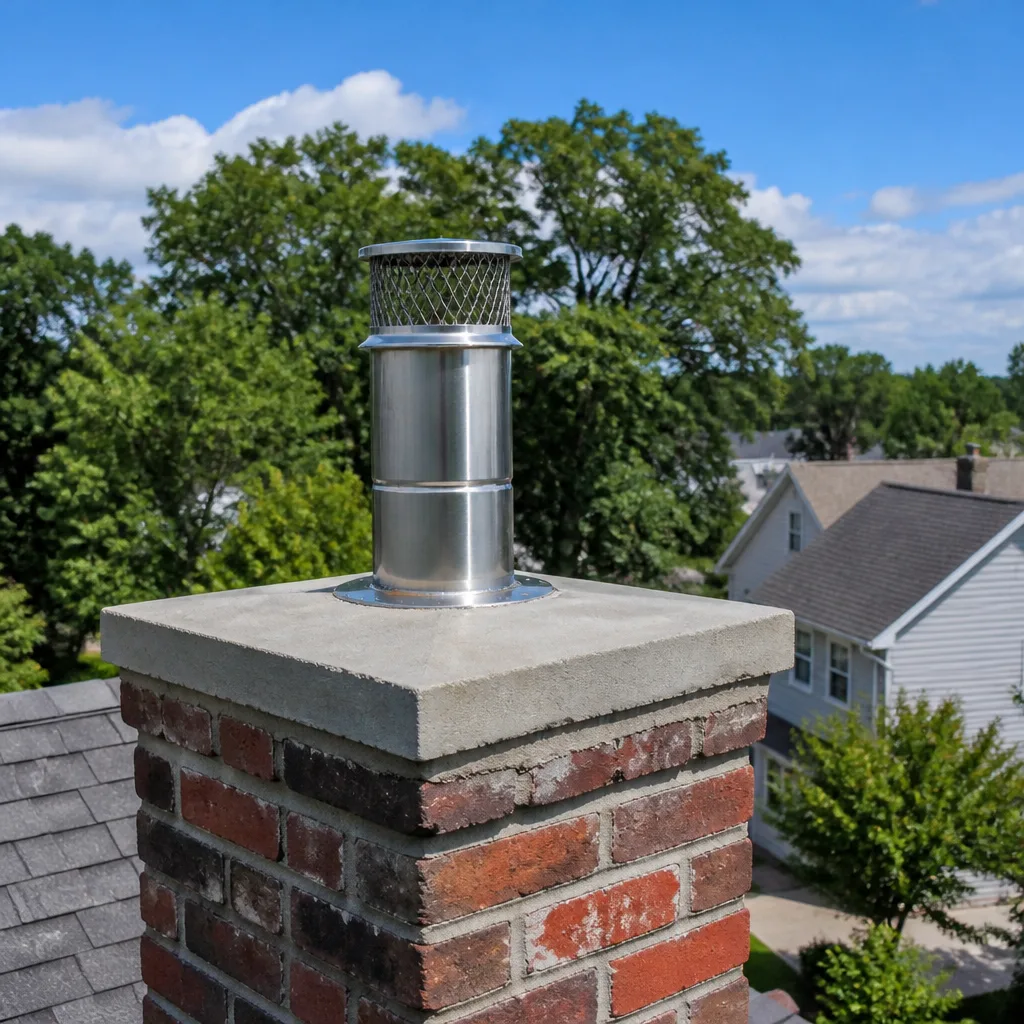 Flue relining
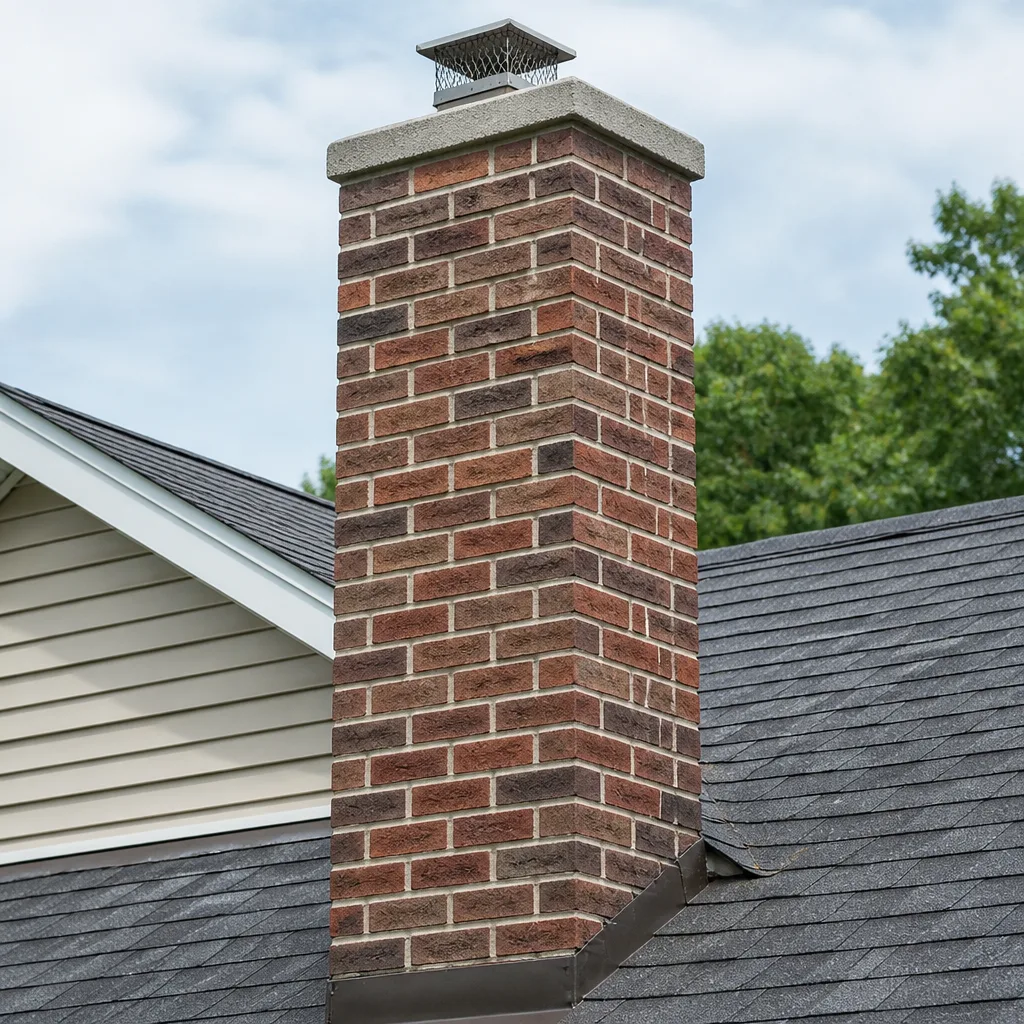 Masonry repair
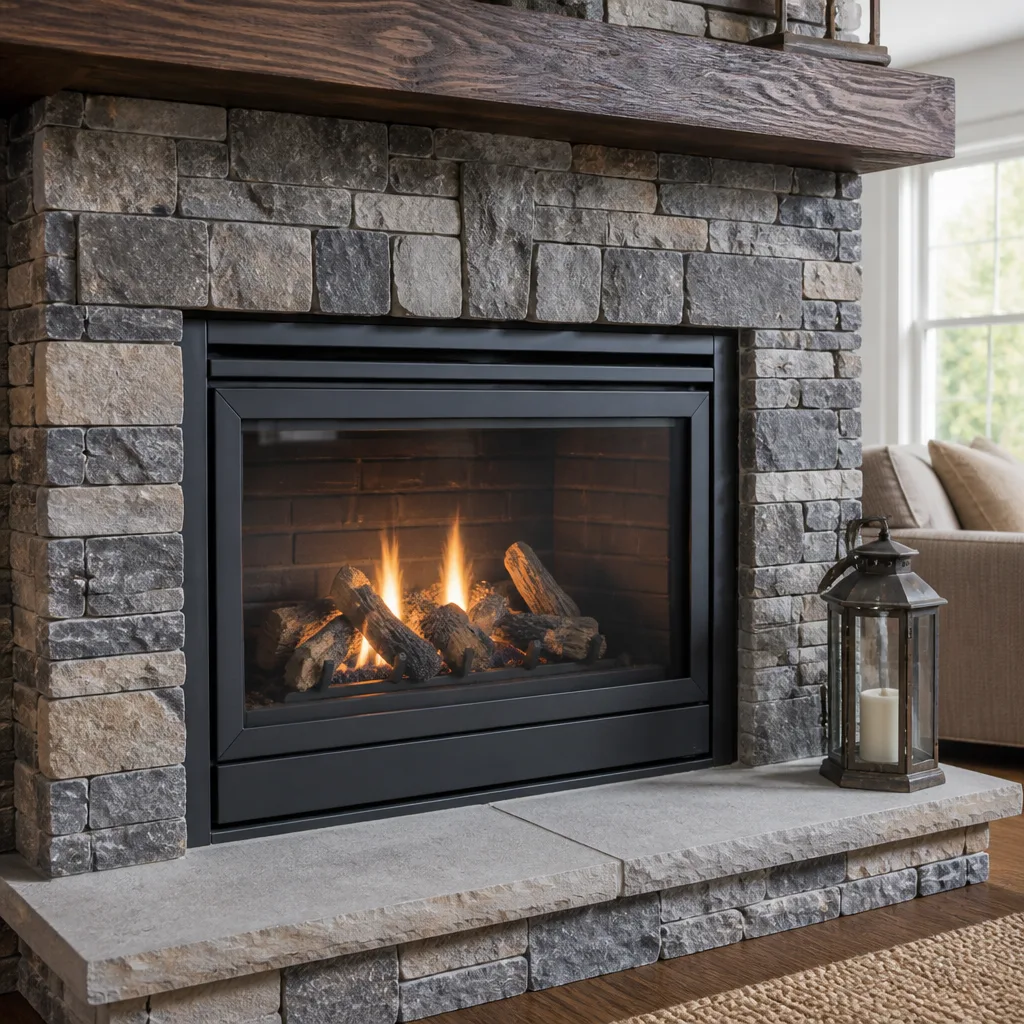 Gas fireplace service
Level 1 sweep and inspection to the NFPA 211 annual standard - flue, crown, cap, and flashing checked and photographed
Chimney sweep logs do not sweep chimneys. They loosen some creosote - which then falls where a brush and vacuum still have to collect it.
Seasonal Chimney Cleaning Care for Parker: Year-Round Homeowner’s Guide
Most Parker homeowners think about their chimney in October, when the first cold snap hits and the fireplace gets its first fire of the season. Here’s the counterintuitive truth: the most important chimney work happens in May and June, when the fireplace is dark and nobody’s thinking about it. Six months of warm, dry off-season gives mortar repairs and crown sealing real time to cure before you light that first fall fire. Wait until autumn and you’re choosing between rushing the cure or burning on a fresh repair. This guide walks through what to do each season in Parker, and exactly why the timing matters.
Quick Answer
The best time to schedule chimney cleaning and repair in Parker is late spring or early summer, ideally May or June. A professional sweep and inspection in that window clears creosote from the heating season just ended, and gives any masonry, crown or liner work a full six months of Colorado’s low-humidity curing weather before the first fire in fall. Post-season cleaning protects the flue; pre-season inspection protects the season.
Styles & brands we work with
- Sweep & inspection
- Caps & crowns
- Flue relining
- Masonry repair
- Gas fireplace service
Table of Contents
- Why Chimney Timing Matters More Than Most Homeowners Realize
- Spring: The Post-Heating-Season Sweep and Inspection
- Summer: The Right Window for Mortar, Crown and Liner Work
- Hail Season and Your Chimney Cap: What to Check After Major Storms
- Fall: The Pre-Season Inspection Sequence Before the First Fire
- Winter: What Homeowners Can Monitor Between Professional Visits
- The Parker Chimney Care Calendar at a Glance
- Frequently Asked Questions
Why Chimney Timing Matters More Than Most Homeowners Realize
Chimney care isn’t a single annual chore. It’s a sequence of tasks that each have a right season, and getting the order wrong is where problems start. A sweep in October clears creosote, but if the inspection reveals a cracked crown, there’s no time to repair it properly before burning season. Do the same sweep and inspection in May and the repair has all summer to cure.
Parker’s climate shapes this. The town sits at roughly 5,900 feet on the high plains south of Denver, where summers are dry, winters swing between warm Chinook days and hard freezes, and the freeze-thaw cycle works on masonry year after year. That low summer humidity is a gift for repair work. Mortar and crown sealants cure predictably in dry, warm air. In a humid climate, a crown repair might need extra weeks to set. Here, June through August gives a mason a clean run at a full cure without weather interruptions.
Parker’s housing stock adds another layer. Many neighborhoods built through the 1990s and 2000s have factory-built fireplaces with metal flue systems, while older pockets around downtown Parker and the Pinery have masonry chimneys that take on water and freeze damage differently. Both need seasonal attention, but the schedule of what to check and when isn’t identical.
One more point about order: inspection comes before repair, always. Parker Chimney Sweep treats the inspection as the diagnostic step that decides what work is actually needed. Without it, repairs are guesses. With it, you know whether the flue tile is sound or whether a HeatShield resurfacing will restore it instead of a costly full reline.
What a Year of Chimney Care Actually Looks Like
- Spring: sweep, then inspect, then note any repair candidates.
- Summer: do the repairs, including masonry, crown, cap and liner work.
- Late summer: storm-damage check after hail season peaks.
- Fall: pre-season inspection and final readiness pass before first fire.
- Winter: homeowner monitoring for smoke, draft and creosote buildup.
Spring: The Post-Heating-Season Sweep and Inspection
Spring is when the chimney tells you what the winter did to it. From October through April, a Parker fireplace is working hard. Wood smoke deposits creosote on the flue walls, and that deposit is what fuels a chimney fire. The longer creosote sits, the harder and more flammable it becomes. A spring sweep clears the accumulation from the season just ended while it’s still fresh and easier to remove.
The inspection matters just as much. After a heating season, small problems are visible: hairline cracks in flue tiles, spalling mortar joints, a cap that’s come loose from freeze-thaw movement. Catching them in April or May means the summer repair window is still open. Catch them in October and you’re either burning on a compromised chimney or waiting a season.
What Happens During a Spring Visit
- Sweep the flue. A rotary brush clears creosote from the flue walls. The firebox and smoke chamber get cleaned too, since soot accumulates there.
- Inspect the full system. Following NFPA 211 inspection-standard practice, we check the firebox, damper, smoke chamber, flue, crown and cap. A camera inspection lets us see the inside of the flue and photograph anything we find.
- Document findings. You get a photo report of what we saw, so you can see the evidence yourself, not just take our word for it.
- Flag repair candidates. Anything that needs work gets a written estimate for summer scheduling.
Spring is also when a chimney sweep in Parker is easiest to book. The autumn rush hasn’t started, and the weather is mild enough that nobody minds a bit of dust in the living room.
Why Not Wait Until Fall?
Because fall compresses everything. A September sweep that uncovers a crown crack leaves only weeks before the first fire, and cold weather can halt mortar work. Spring spreads the work out. You sweep, you inspect, and if repairs are needed you have months to schedule them at a comfortable pace. Our technicians have up to 8 years of experience reading chimneys, and the pattern is consistent: the homeowners who sweep in spring have the calmest autumns.
Summer: The Right Window for Mortar, Crown and Liner Work
Summer is repair season, and Parker’s dry climate is the reason. Mortar needs consistent curing conditions. Crown sealant needs to set without rain washing it away. Liner work, whether it’s new tile, a HeatShield resurfacing, or a stainless liner, wants warm, dry weather so the installation can be checked and finished cleanly. June through August delivers that.
This is where a full-system specialist earns its place. Sweep-only companies clean the flue and leave. Handymen can patch a mortar joint but don’t have the product knowledge for a proper crown or a liner decision. Parker Chimney Sweep covers the whole chimney and fireplace system: sweeping, inspection, crown and cap work, liner repair and masonry repair. One company, start to finish.
What Summer Repair Looks Like, Task by Task
- Mortar repointing. Cracked or receding mortar joints are ground out and repacked with fresh mortar. Dry, warm air lets it cure to full strength over the following weeks.
- Crown sealing or replacement. The crown is the concrete cap at the top of a masonry chimney, and it’s the chimney’s first defense against water. A cracked crown lets water into the masonry, which then freezes, expands and spalls. Summer is the right time to repair or rebuild it.
- HeatShield flue resurfacing. When flue tiles are cracked or deteriorated but the structure is sound, HeatShield resurfacing restores the flue surface rather than replacing the whole liner. It’s a specialized method most sweep-only competitors can’t offer, and it extends liner life without full relining.
- Liner installation. When the flue genuinely needs a new liner, summer weather lets the installation cure and settle properly.
- Cap and crown installation. A dedicated chimney repair visit in summer handles caps and crowns with purpose-engineered products. We use Gelco and Famco caps because they’re built for the job, not adapted from hardware-store covers.
Why Curing Time Is the Whole Point
A mortar joint packed in October might see its first freeze within days. A joint packed in July gets weeks of warm, dry air to reach full strength before the cold arrives. That’s not a small difference. It’s the difference between a repair that lasts years and one that cracks open over the first winter. When we recommend summer scheduling for masonry work, that’s the reason.
Summer also gives you time to think. If the inspection flags a repair, you have weeks to consider it, ask questions, and decide. No pressure, no rushed decision made cold and dark in November.
Hail Season and Your Chimney Cap: What to Check After Major Storms
Parker sits squarely in Colorado’s hail belt, and the peak of the season runs May through August. Most homeowners check their roof and gutters after a big storm. Far fewer climb up to look at the chimney cap and crown. That’s a gap worth closing, because a chimney cap is a small, exposed piece of metal or masonry at the highest point of the house.
Hail can dent or loosen a cap, crack a crown, or knock a cap partly off its mounting. A cap that’s come loose no longer does its job. Its job is to keep rain, snow, birds and debris out of the flue. Once it’s compromised, water gets into the chimney, and in Parker’s freeze-thaw climate, water inside masonry is a slow, expensive problem. It seeps in, freezes, expands and works at the joints from inside.
What to Check After a Major Hail Storm
- Look at the cap from the ground. Binoculars work fine. Is it straight, centered and firmly attached? Is it dented or bent?
- Check the crown for visible cracks. The concrete top should be intact, with no gap between it and the flue tile.
- Watch for water stains inside. On the ceiling near the chimney or on the chimney breast, damp patches or tide marks are a sign water is getting in.
- Note any debris in the firebox. Bits of mortar or tile on the firebox floor after a storm suggest the flue or crown took a hit.
- Book an inspection if anything looks off. We can see the full system from the firebox to the crown and give you a straight answer.
A chimney repair visit after storm season is inexpensive compared with water damage that reaches the framing. If your cap has visible damage after a storm, call and we’ll get it on the schedule.
Why a Proper Cap Matters More in Parker
Weather swings here are wide. A warm afternoon can follow a freezing morning. Water that gets past a damaged cap goes through dozens of freeze-thaw cycles in a single winter, and each cycle widens the cracks. Purpose-engineered caps like the Gelco and Famco models we install are sized to the flue and built to stay put through hail, wind and snow load. A generic cover isn’t designed for those conditions.
Fall: The Pre-Season Inspection Sequence Before the First Fire
Fall is not a repeat of spring cleaning. The spring visit was about clearing what the last heating season left behind. The fall visit is about confirming the chimney is ready for the season ahead, especially if summer repairs were done. They answer different questions, and skipping either one leaves a blind spot.
Parker’s first real fire usually comes in October, sometimes September if the weather turns early. Aim to complete the fall sequence before that first fire, not after. It’s better to find a problem while the fireplace is still cold and the weather is still workable.
The Fall Pre-Season Sequence
- Visual inspection from the ground and the firebox. Check the cap, crown and flashing from outside, and look up the flue from the firebox door.
- Confirm summer repairs cured and held. If masonry or crown work was done, this is the check that it settled as it should.
- Test the damper. It should open and close smoothly and seal when closed.
- Check for animal or debris buildup. A cap in good condition prevents most of this, but a chimney that sat unused all summer can collect nests or leaves if the cap was damaged.
- Do a small test fire. With the damper open, burn a small amount of dry wood and watch the smoke. It should draw up and out cleanly, not spill into the room.
- Book a professional inspection if anything felt off during the test fire, or if you haven’t had the chimney inspected that year.
A proper pre-season inspection also includes the fireplace itself. A fireplace repair booked in fall can address a sticking damper, a cracked firebox brick or a failed gasket before they turn into a mid-winter problem. Better to handle it while the weather is mild than on a cold night with the fire already going.
Winter: What Homeowners Can Monitor Between Professional Visits
Winter is monitoring season. Between your fall inspection and your spring sweep, you’re the one closest to the fireplace. A few simple habits catch problems early.
What to Watch For
- Smoke spilling into the room. A puff of smoke when you open the firebox door can be normal right at startup. Smoke that spills continuously or back-drafts into the room is not. It can signal a blockage, a closed or failing damper, or a draft problem. Stop using the fireplace and get it looked at.
- Downdraft on windy days. Parker gets strong winds off the plains. If smoke rolls back down into the room on gusty days, the flue may be undersized for the chimney, or something may have disturbed the airflow. Worth a check.
- Smoke smell in the house when the fireplace isn’t burning. That can mean the damper isn’t sealing, or that pressure differences are pulling air down the flue. Annoying at best, and a sign worth investigating.
- Creosote buildup in the flue. Look up the flue from the firebox with a flashlight. A thin, dusty coating is normal. Flaky, shiny or tarry deposits mean it’s time to stop burning and get it swept.
- Damp patches or efflorescence. White powdery stains on the chimney exterior signal water getting in. That points to a crown or cap problem worth a fresh look.
None of these is a reason to panic. Each is a reason to act before spring. A fireplace that sputters or spills all winter is working harder than it should, and creosote only accumulates faster when draft is poor.
A Habit That Pays Off
Keep a simple log by the fireplace: the date of each fire, the wood you burned, and anything that seemed off. By spring you’ll have a clear picture of how the chimney performed, which makes the post-season inspection far more useful. This is what we mean by proactive ownership. It’s not a big time commitment, and it’s the single habit that answers the question “how often should this be swept?” better than any calendar.
The Parker Chimney Care Calendar at a Glance
Here’s the whole sequence in one place. Use it as a reference through the year, and adjust for how heavily you burn. A household that lights a fire most evenings from October through April needs a different rhythm than one that burns on special occasions.
The Four-Season Schedule
- May or June: full sweep and inspection. This is the anchor visit. Everything downstream depends on it.
- June through August: repair window. Masonry, crown, liner and cap work. Dry weather gives every repair the cure time it needs.
- Late August or September: post-hail-season check. Cap and crown inspection after the peak storm months.
- September or October: pre-season inspection and readiness sequence. Confirm everything cured, test the damper, do a small test fire.
- November through April: burn season. Monitor draft, smoke and creosote. Log anything unusual.
Adjusting for How You Burn
A homeowner burning regularly through the season should plan on an annual sweep, and sometimes more often depending on the wood. Seasoned, dry wood produces less creosote than green or unseasoned wood. A gas fireplace burns differently and generally needs less frequent sweeping, but it still needs an annual inspection for venting, seals and the firebox. If you’re not sure what your fireplace needs, the inspection answers that question directly. We look, we photograph, we explain, and we tell you plainly when work can safely wait.
See the difference
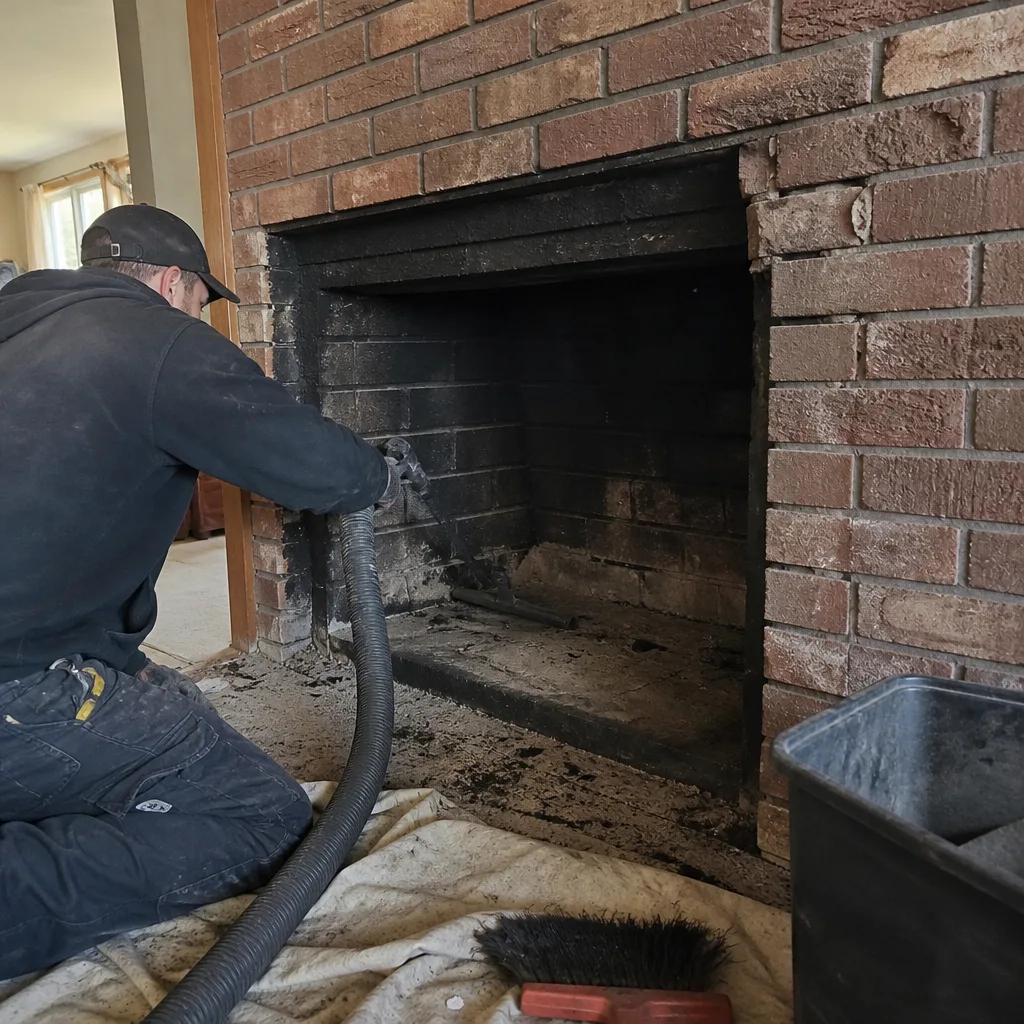 Before
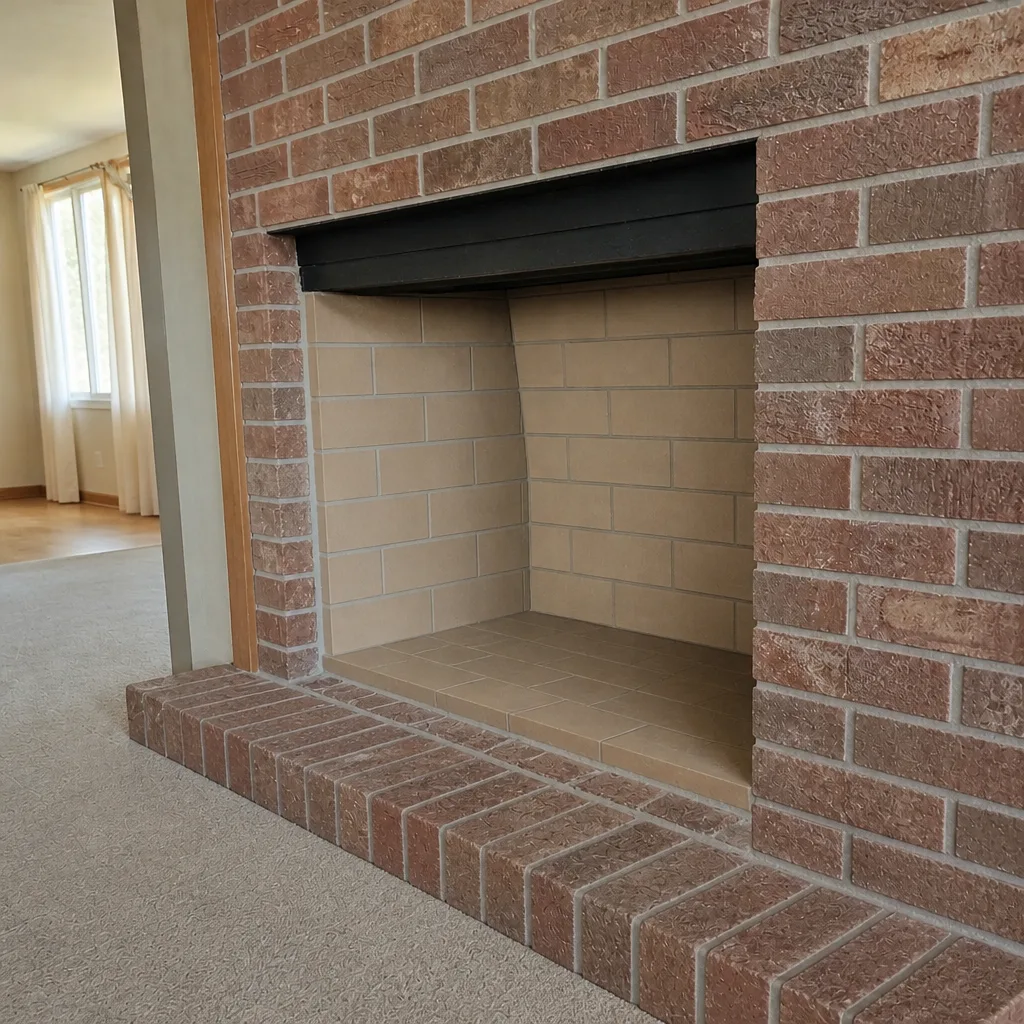 After
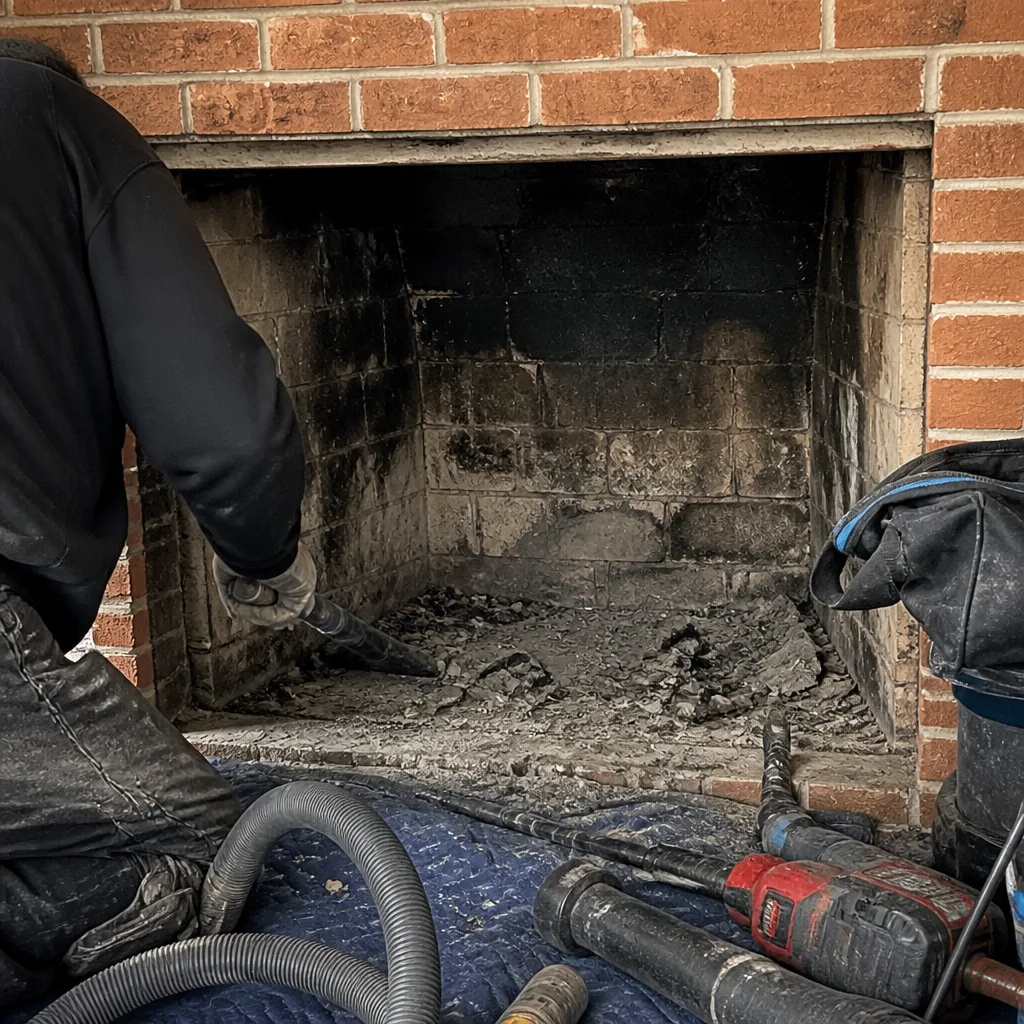 Before
 After
 Before
 After
Common Mistakes to Avoid
- Sweeping in autumn instead of spring. It clears the flue but leaves no window for repairs. A cracked crown found in October either means a delayed repair or a season of burning on a compromised chimney. Spring gives you months of cure time.
- Skipping the inspection because the sweep “looked fine.” A sweep clears creosote. The inspection is a separate, diagnostic step that looks for cracks, spalling and water damage. The two aren’t interchangeable, which is why we inspect before we recommend repair.
- Ignoring the chimney after hail season. Parker’s storms peak between May and August, and caps and crowns take the hit. A quick look from the ground after a big storm, followed by a call if anything is off, catches damage early.
- Doing masonry repairs in late fall. Mortar and crown work need curing time. A repair done just before the first freeze hasn’t had time to set and can crack open over winter. Summer repairs are stronger repairs.
- Burning wet or unseasoned wood. It produces more creosote, faster, and makes your spring sweep harder. Seasoned wood burns cleaner and sends less up the flue.
- Assuming a clean flue means a safe chimney. Cleaning removes what was there. Inspection confirms the flue walls, damper, smoke chamber and crown are actually intact. On a factory-built fireplace, the metal flue needs a trained look, not just a brush.
- Putting off a professional look at smoke problems in winter. Continuous smoke spillage or downdraft isn’t a quirk to live with. It’s a signal, and it’s worth a call before the season turns. Fast dispatch runs 7am to 7pm, Sunday through Friday.
When to Call a Professional
Call a professional when you see continuous smoke spillage into the room, tarry or flaky creosote in the flue, white staining or damp patches on the chimney exterior, or visible damage to the cap or crown after a storm. Call if you haven’t had an inspection in more than a year, regardless of how much you burn. Call if the damper sticks or won’t seal, or if the firebox bricks are cracked. And call if you’re simply not sure: a straight look at the chimney from the firebox to the crown settles the question far better than guesswork. Our approach is the same every visit: inspect before we repair. If a repair can wait, you’ll hear that first. Chimney work is safest and most effective when it’s done by someone with the training to see what’s really happening in the flue. A trained professional knows the difference between a crack that needs a HeatShield resurfacing and a liner that needs replacement. Parker Chimney Sweep offers free estimates in Parker – call (844) 443-4897. We answer 24/7. Fast dispatch from 7am to 7pm, Sunday through Friday.
Frequently Asked Questions
May or June is ideal. Post-season timing clears the creosote from the heating season just ended and leaves the full summer open for any repair work that turns up, with enough warm, dry weather for mortar and crown sealant to cure before fall. Call (844) 443-4897 for an exact quote – estimates are free.
Not always. A cracked or deteriorated flue tile doesn’t automatically mean a full reline. The inspection determines whether HeatShield resurfacing can restore the flue surface or whether replacement is the honest answer. You’ll see the camera evidence before we recommend anything, and we’ll tell you plainly when work can safely wait. Call (844) 443-4897 for an exact quote – estimates are free.
Once a year for most households that burn wood regularly through the October to April heating season. Homes that burn less often can go longer between sweeps, but should still have an annual inspection. Creosote accumulation depends on your wood, your burning habits and your appliance. Call (844) 443-4897 for an exact quote – estimates are free.
Creosote builds up inside the flue and becomes flammable, which raises the risk of a chimney fire. Cracks in the flue or crown go unnoticed, water gets in, and freeze-thaw cycles in Parker’s climate widen the damage. Skip it long enough and a repair that could have been a resurfacing becomes a full liner replacement. Call (844) 443-4897 for an exact quote – estimates are free.
Yes. Hail season in Parker peaks from May through August, and a cap or crown at the top of the chimney takes direct hits. Dents, loosened mounting and crown cracks are common after a major storm. Check the cap from the ground with binoculars after a big one, and call for an inspection if anything looks bent, loose or cracked. Call (844) 443-4897 for an exact quote – estimates are free.
A little smoke at startup can be normal, but continuous spillage or back-drafting is a sign of a blockage, a damper problem or a draft issue. Stop using the fireplace until it’s checked. We answer 24/7, and a call outside dispatch hours is booked into the next opening, Sunday through Friday, 7am to 7pm. A call to (844) 443-4897 gets an exact quote – estimates are free.
Yes, and summer is actually the better time. Mortar, crown and liner work all need curing time, and Parker’s dry summer air gives repairs weeks to reach full strength before the first freeze. A repair done in late fall may not have cured before cold weather arrives. Call (844) 443-4897 for an exact quote – estimates are free.
The Bottom Line
Chimney care in Parker follows the seasons, and the seasons have a logic. Sweep in spring, when the flue is loaded from the heating season and cleaning is easiest. Repair in summer, when Colorado’s dry air lets mortar, crown and liner work cure fully. Check the cap and crown after hail season. Inspect again in fall, before the first fire, to confirm everything is ready. Monitor through winter, watching for spillage, downdraft and creosote. Get the order right and each season’s work sets up the next. Get it wrong and you’re always reacting. A professional inspection from the firebox to the crown is the thread that holds it together, and the camera evidence means you never have to take our word for what’s happening in your flue. Call (844) 443-4897 for a free estimate in Parker.
Written by the team at Parker Chimney Sweep.